
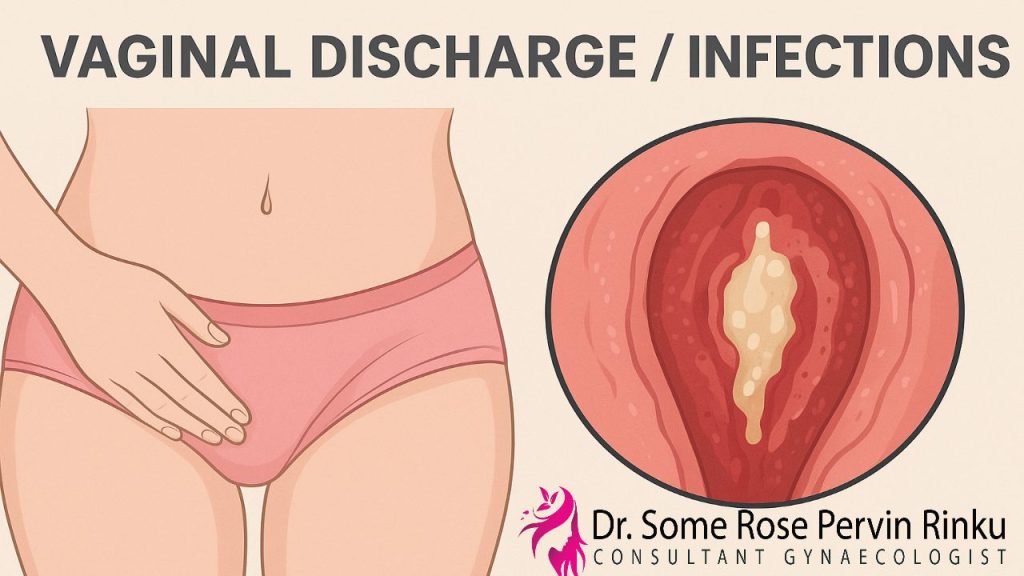
It’s a subject few people want to talk about in casual conversation, but it’s an everyday reality for millions. Vaginal discharge is 100% normal and an important function of the body that most women experience. But anything surprising in color and consistency and even smell can cause confusion and worry. It’s important to know what these changes mean as part of your management of your health.
This story is part of a series attempting to demystify the vagina and its myriad of functions. We’ll tell you the difference between normal and abnormal signs, prepped with straight talk about common vaginal infections, and illuminate the fear of God in you about when it’s time to call the doctor. We will discuss the types of normal discharge, what to look for if you’re worried about an infection, specifics about common conditions such as yeast infections and bacterial vaginosis (BV) and when to seek advice from your doctor.
What is Vaginal Discharge?
Vaginal discharge is a lubricating fluid that results from glands in the vagina and cervix. Its main role is to flush away dead cells and bacteria. This is the main role of the discharge to keep the vagina clean, moist and free from infections. Consider it your body’s internal housekeeping system, operating at all hours to keep you in balance and good health.
So, what exactly is “normal” discharge? It is usually clear to whitish in color (and often appears thin and watery). It can have a subtle odour or no odour at all. The quantity and appearance may vary throughout the month, but a non-irritating discharge is a sign of a healthy reproductive system.
The Rainbow of Normal Discharge: What Different Colors Mean
Ovulation is the bodily function that makes the color and the texture of the vaginal discharge to change here and there during the month because of the change in hormones. Learning these changes can teach you what is typical for your body.
- Clear and Watery: You may get this discharge at different times of your cycle. You may also notice it when discussing sex or during sexual arousal or, in a different way, while you’re pregnant. It’s slippery and thin, like egg whites, especially around mid-cycle.
- White or Milky: A milky or creamy white discharge is common late in your cycle during ovulation. Assuming it’s not accompanied by a strong odor or itching, that’s perfectly normal.
- Brown or Bloody: This color is a result of the presence of residual blood in your period leaving a bit later than usual or getting cleared out as soon as your period leaves, hence leading to brown or bloody color. Its brown due to the amount of “leftover” blood in the uterus as it clears itself out. Some women also get a light brown spotting from around the time of ovulation or as a sign of early pregnancy – implantation bleeding.
- Light yellow: You should also get a very light yellow discharge, which is perfectly fine. This occurs at times when the discharge is exposed to the air and oxidizes slightly and changes color. That’s not to be confused, however, with bright yellow discharge that stinks, which may be a sign of something wrong.
When to Worry: Signs of Vaginal Infections
Most of the time discharge is normal, but sometimes changes in discharge can be a sign of an issue. The importance of noticing these cues is a fundamental part of the women’s health process. If you’re observing any of the following, it could be time to dig a little deeper.
Here are some warning signs that could indicate a vaginal infection:
- A sudden and noticeable change, especially in green, gray, or bright yellow.
- A change in texture, for example thick clumpy or as cottage cheese.
- And/or a strong, offensive, or “fishy” odor, different from your “normal” smell.
- You are itching, burning, tender, or swollen in or around your vagina.
- Serous or burning with urination, or during sexual intercourse.
Recognizing these symptoms early can lead to faster and more effective treatment.
Common Vaginal Infections and Their Symptoms
Abnormal vaginal discharge can be caused by various common infections. Knowing their specific symptoms can empower you to have a more informed discussion with your doctor.
Bacterial Vaginosis (BV)
Bacterial vaginosis is a condition and not an infection, it is simply an imbalance of the good bacteria that naturally exists in the vagina. It’s one of the most prevalent vaginal conditions in women of reproductive age.
- Key Symptoms: The most obvious symptoms are a thin, gray or white discharge and a pungent fishy smell. Frequently, this odour becomes more pronounced following intercourse.
Yeast Infection (Candidiasis)
A yeast infection occurs when there are high levels of the fungus Candida in the vagina, and is caused by an overproduction of yeast. This overgrowth can be caused by hormonal shifts, or by antibiotics or an immune system that is weakened.
- Key Symptoms: Thick, white, cottage cheese discharge is a yeast infection. It is also usually accompanied by an extremely itchy and burning vagina and vulva.
Trichomoniasis
It is a widespread STI and is a parasite in origin. It can happen to both men and women, but in women, symptoms are more frequent.
- Key Symptoms: Trichomoniasis typically causes a foul-smelling, yellow-green discharge that is frothy. It also causes itching, discomfort and pain during urination.
Refer to a professional for any of these conditions. You can find over-the-counter treatments for some problems — say, yeast infections — but it takes a doctor to diagnose the cause and prescribe the treatment that’s right for you (in the case of BV or trichomoniasis, that would mean antibiotics).
When Should You See a Doctor?
Self-diagnosis can also be unreliable and might result in not only using the wrong treatment, but also worsening the issue. Go to a healthcare professional if you’re worried.
What to do nextYou should make an appointment to see a doctor if:
- You have any of the “red flag” symptoms such as odor, greenish or grayish color, or cottage cheese-like appearance.
- When to see your doctor You have had over-the-counter treatment for your yeast infection, and the symptoms last or come back within a few months.
- You are pregnant and have large changes in your discharge.
- You have new sexual partners or are concerned that you may have an STI.
- The discharge is associated with other symptoms such as pelvic pain, fever or abnormal bleeding.
Take Charge of Your Health
Natural vaginal discharge Vaginal discharge is a normal, regular part of your body’s cleaning process. And by learning the usual ups and downs of a normal menstrual cycle, you can hone in on what’s normal for you. And if you know how to identify signs of potential vaginal infections, you can ensure that you get treatment whenever necessary.
Do not be embarrassed to talk with your healthcare provider about these areas. You are in control of your women’s health – and being informed and proactive is important. Being able to spot changes and know when to ask for medical advice is vital to make sure you receive the correct diagnosis and treatment.
If you have any troubling symptoms or vaginal health questions, make an appointment to see one of our women’s health physicians today and get the answers you need.