
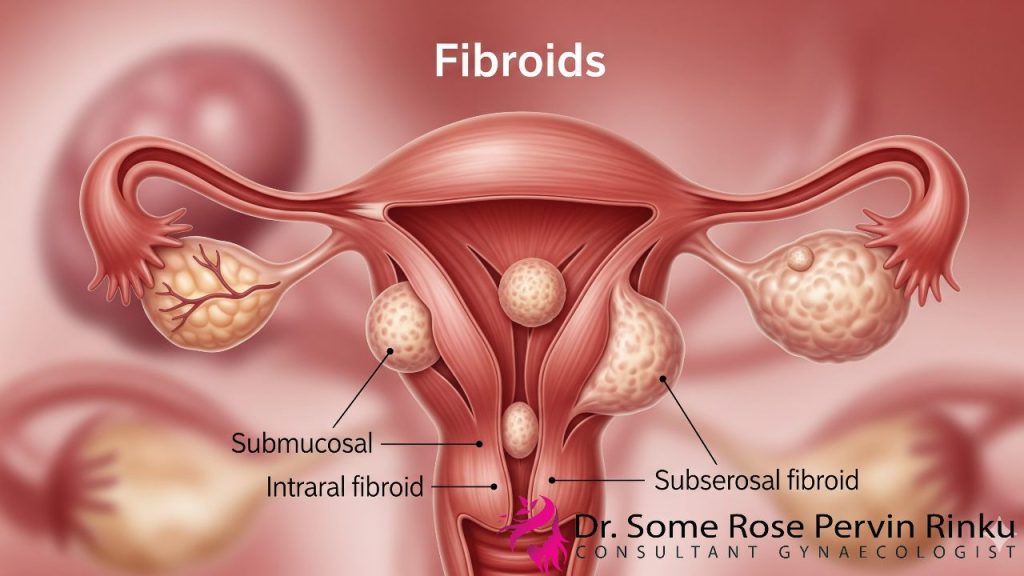
Fibroids affect millions of women worldwide, and many are unaware that they have these noncancerous growths until symptoms disrupt their daily routine. Such non-cancerous growths arise in the muscular wall of the womb and range from small “seedlings” to bulky masses that distort the shape of the womb.
Between a quarter and a half of women will experience symptomatic fibroids by the time they reach the end of their childbearing years, usually between the ages of 30 and 50. The numbers might sound scary, but education is key: Breaking down what fibroids are (and what their symptoms, causes, and treatment options are) is tool women can use to take charge of their health and get the help they need.
This ultimate guide to uterine fibroids delves into everything you should know about these pesky tumors that are found in the uterus, from identifying early warning signs to what to do next, in terms of a treatment plan that fits your lifestyle and future plans.
Recognizing Fibroid Symptoms
A lot of women with uterine fibroids have no symptoms. These are “silent” fibroids, usually found during routine pelvic exams or other imaging tests done for different reasons. When the symptoms do present, however, they can have a dramatic effect on quality of life.
Heavy and Painful Periods
The usual symptom of uterine fibroids is heavy bleeding during menstruation. And while fibroids don’t interfere with your menstrual cycle, they can cause periods to be significantly heavier and more painful than they normally are. Women have also reported having to swap out tampons or pads more often than they’d like to, bleeding for more than seven days, and dealing with clots bigger than a quarter.
Physical Discomfort and Pressure
Big fibroids on the other hand, can cause physical symptoms that are difficult to ignore. Sometimes, a woman may notice bloating, swelling or feel “full” in her lower abdomen or pelvis. Others complain of occasional lower back pain that doesn’t appear associated with exercise or positioning.
Bladder and Bowel Issues
When fibroids become large enough to press against other organs, they may lead to urinary frequency or urgency. Women may also experience either waking up multiple times during the night to urinate, or not feeling as though they’ve completely emptied their bladder. More rarely, if fibroids are pressing on the bowel, this may lead to constipation.
Impact on Intimacy
Fibroids near the vaginal or cervical wall may cause pain during sex. It is frequently this symptom that causes women to consult medical care, as it impacts relationships and quality of life.
Fertility Concerns
The majority of women with fibroids are able to conceive and carry pregnancies to term, although some forms of the condition may hamper fertility. Fibroids that grow into the cavity of the uterus may interfere with implantation or affect the future childbearing process.
Understanding Causes and Risk Factors
Doctors have not recognized the precise cause of uterine fibroids, but numerous factors may effect their development.
Hormonal Connections
Estrogen is also pivotal in the growth of fibroids. These tumors have more receptors for the hormones estrogen and progesterone compared to normal uterine muscle cells and are therefore more responsive to hormone changes. This is why fibroids usually shrink after menopause, when estrogen levels decline dramatically.
Demographic Factors
SOME WOMEN ARE AT HIGHER RISK OF FIBROIDS. Black/African Caribbean women are more at risk of developing fibroids, and are susceptible to earlier onset with more severe symptoms. Age is also a factor — fibroids typically occur during the reproductive years, and are especially common for women between the ages of 30 and 50.
Other Risk Factors
It is inherited, indicating that the development of fibroids involves some genetic elements. Other risk factors that may raise risk also include early age at menstruation, obesity, vitamin D deficiency, and diets high in red meat and low in green vegetables and fruit.
How Fibroids Are Diagnosed
Doctors generally begin diagnosing uterine fibroids through taking a medical history and execution a physical examination. Through a pelvic exam, they may sense larger fibroids. Though, they naturally use imaging tests to authorize the diagnosis and to control the size, number, and location of the fibroids.
Imaging Tests
Ultrasound is the most commonly used first imaging test, as it is noninvasive and readily available. For more details, MRI can map fibroids accurately (where they are exactly and how big they are), which can be useful in planning treatment.
Additional Diagnostic Tools
Doctors may suggest hysteroscopy, a procedure in which a thin lighted instrument is used to examine the inside of the uterus. This permits a direct view of fibroids that protrude into the uterine cavity.
Treatment Options for Every Situation
Management of uterine fibroids varies substantially, depending on symptoms, fibroid number and location, age, and desire for future childbearing. The approach to this treatment varies, from expectant monitoring to operative management.
Conservative Management
In cases of low-symptomatic fibroids, most women opt for surveillance instead of treatment. Frequent checking means that any change in size or in symptoms is detected at an early stage. Such an approach is especially useful in women who are close to menopause because fibroids normally shrink spontaneously as estrogen levels decrease.
Medical Treatments
There are a number of medications that can be used to help control the symptoms of fibroids. Diminish heavy bleeding and pain with NSAIDs such as ibuprofen and mefenamic acid. Tranexamic acid Place ImagesGetty Images Tranexamic acid Tranexamic acid directly focuses on heavy menstrual bleeding; hormonal medications can help regulate your period.
When patients necessity faster symptom relief, doctors might prescribe gonadotropin-releasing hormone (GnRH) analogues. These drugs temporarily shrink by lowering estrogen levels. However, patients canister take them only for a limited time since they cause side effects similar to persons of the menstrual cycle.
Surgical and Minimally Invasive Options
When conservative therapy fails to alleviate their symptoms, there are a number of procedural treatments:
Hysteroscopic Resection is good for fibroids that are projecting into the cavity of the uterus. This is a less invasive procedure where the fibroids can be removed through the vagina and there are no open incisions made.
Uterine Artery Embolization slows the blood flow to fibroids, which causes them to shrink. Effective for many women, about a third may require additional treatment later.
Myomectomies are surgical procedures that remove the fibroids themselves, rather than the uterus, and are an attractive option for women who wish to preserve their fertility. This may be carried out by different methods such as laparoscopic, abdominal, or hysteroscopic.
Hysterectomy the uterus is completely removed with it being the most definitive solution. This approach is suitable for women who have finished having children and desire a permanent end to their symptoms.
Emerging Technologies
More recent therapies such as MRgFUS and MRI-guided laser ablation provide some alternatives, but may only be available at select institutions.
Managing Life with Fibroids
You don’t have to accept a lower quality of life while living with uterine fibroids. A large fraction of women do well on Medical treatment and with behaviour changes.
When you know what type you have and where they are, you can work with your healthcare professionals to best plan your treatment. Frequent evaluation of a patient’s condition means any changes can be acted upon quickly; greater transparency about symptoms and treatment targets means better results.
For those women anxious about preserving fertility, discussion of family planning goals soon after diagnosis permits for strategies that maintain the best opportunity to conceive while ensuring optimum symptom control.
Taking Control of Your Health
Uterine fibroids- A recurring but controllable ailment among millions of women Although the symptoms can be unpleasant, a variety of treatments makes it possible for most women to find the option that works for them and that helps them achieve their goals.
Early symptom recognition and preemptive patient and provider discussion are believed to be the pillars to successful fibroid treatment.
Whether you need to just keep an eye on your fibroids, or have them treated more aggressively, knowing your options allows you to be an active participant in your care.
If you’re having heavy periods, pelvic pressure or other symptoms that could be related to fibroids, it’s important to seek medical evaluation. With the right diagnosis and treatment, you can stay healthy and enjoy life while successfully controlling this common disorder.
👩⚕️ Expert Fibroids Treatment in Rajshahi
Dr. Some Rose Pervin (Rinku), a trusted name in women’s health services in Rajshahi, specializes in diagnosing and treating uterine fibroids with advanced, evidence-based methods. Whether you’re looking for conservative care or need surgery, you will receive personalized attention and support at every step.
📅 Book Your Appointment Today
Take control of your reproductive health. Schedule a consultation with Dr. Some Rose Pervin at Rajshahi Medical College Hospital, Popular Diagnostic Center, or Rose Medical Center.
👉 Visit: https://drsomerose.com