
Laparoscopy has revolutionized modern surgery. Where big cuts have been replaced by small cuts, and now lasers are on the horizon. Minimally invasive or keyhole surgery involves complex procedures being carried out through small openings which cuts recovery times and complications.
If your doctor has suggested laparoscopy, or you’re wondering about laparoscopy, learning more about its process can give you the information you need to make decisions about your health. This complete guide will give you all the information that you need to know about laparoscopic surgery from the procedure to recovery and possible risks.
Whether you are looking at having a diagnostic laparoscopy to explore your symptoms, or a procedure to treat a condition, finding out what to expect may help towards reducing the anxiety of the unknown and better prepare you for your journey ahead.
What Is Laparoscopy?
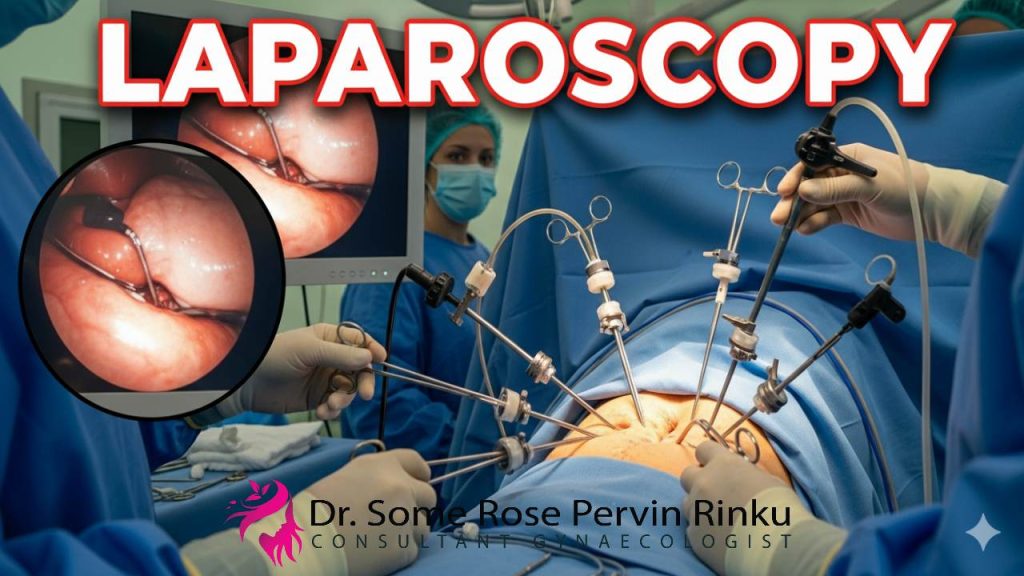
Laparoscopy is a type of surgery that enables doctors to look at, work on and operate on organs in the abdomen and pelvis, by making just a few small incisions, most of which are less than a half-inch to an inch and a half in size. During the operation, a minimally invasive tool known as a laparoscope — a long, thin tube with a high-definition camera and light on the end — is inserted through small holes in the body and joints.
With laparoscopy, the surgeon places the laparoscope through a small incision, typically in the area of the navel. The camera sends images to a monitor and your doctor can see inside your body and on the screen during the procedure. Thanks to this improved visualization, the surgeon operates very precisely and with only minimal damage to the tissue.
This procedure has two main goals: diagnostic and therapeutic. Doctors use diagnostic laparoscopy to explore unexplained or suspected symptoms. Therapeutic laparoscopy is the treatment of diagnosed problems (it may be removing cysts, repairing hernias, or removing an organ).
Benefits of Laparoscopic Surgery vs. Traditional Surgery
Laparoscopy has many benefits as compared to open surgery, and is the technique of choice in many procedures whenever technically possible.
Smaller Incisions and Reduced Scarring
Open surgery Traditional open surgery typically uses a large incision that can result in noticeable scarring. Laparoscopy is performed by making a few small incisions, which means less scar and better cosmetic results. Many laparoscopic scars look small by 3 months and are barely visible.
Faster Recovery Times
Most patients recover more quickly after laparoscopic surgery. Open surgery may take weeks or even months for recovery, while after LP many patients are able to return to regular activities, days or weeks later. Less down time also translates to less time from work and the things in life that are important.
Less Pain and Discomfort
Small incisions equal less tissue trauma, which in turn equates to less post-op pain. Patients often need less pain medication and have less discomfort during recovery than after traditional surgery.
Lower Risk of Complications
The less invasive approach of laparoscopy abates potential complications, including infections, bleeding and adhesion development. The smaller incisions also reduce the chances of hernias in the surgical area.
Shorter Hospital Stays
Most laparoscopic procedures can be done on an outpatient basis, or during a short hospital stay. This lowers health care costs and enables patients to recuperate at home.
Conditions Treated with Laparoscopy
Laparoscopy is used to both diagnose and treat conditions involving the abdomen and pelvic organs. Here are some of the most popular uses:
Gynecological Conditions
Laparoscopy is a common procedure used to address women’s health conditions, such as endometriosis, ovarian cysts and fibroids, as well as for ectopic pregnancies. It is also used for tube tying (permanent birth control) and fertility.
Gallbladder Disease
Laparoscopic cholecystectomy Now the gold standard for gallstones and inflammation of the gallbladder. The procedure generally has a quicker recovery than open gallbladder surgery.
Appendicitis
Laparoscopic appendectomy proved very safe for the removal of an inflamed appendix, especially under complicated conditions of appendicitis where open surgery would be difficult.
Hernia Repair
Different types of hernias, particularly inguinal,ventral and hiatal hernias, can be treated successfully with the laparoscopic approach. This technique is in many cases a stronger repair with less post op pain.
Diagnostic Investigations
When other studies are nondiagnostic, laparoscopy may aid in the diagnosis of chronic abdominal pain, unexplained masses, or suspected malignancy.
The Laparoscopy Procedure: Step-by-Step
Knowing what to expect during laparoscopy can help ease anxiety and help you better prepare for the procedure.
Pre-operative Preparation
Before the test, you’ll get specific instructions about eating, drinking and any other restrictions on taking medications. Since most laparoscopic surgeries are performed under general anesthesia, you will be asked to fast for several hours prior to the procedure. Doctors and nurses will ask about your past health and examine you.
The Surgical Process
After you are under anesthesia, the surgeon starts by making a tiny incision near your navel. Carbon dioxide gas is insufflated into the peritoneum, to distend the abdominal cavity and allow visibility of the internal organs. This insufflation is benign as the gas is reabsorbed by your body after surgery.
Through this initial incision, the laparoscope is inserted so that the surgical site is clearly visible to the surgeon. Other small incisions may be added to accommodate specific surgical instruments required for the particular procedure.
Using simultaneous high-definition screens, the surgeon directs the surgical tasks as the operation progresses. The greater magnification and clarity frequently make it possible to work more precisely than in classic open surgery.
Completion and Closure
Once the procedure finishes, the instruments are taken out, the excess gas passes and the incisions are closed with medical glue, band-aids or tiny sutures. This takes from 30 minutes to a few hours, depending on the complexity.
Recovery and Post-operative Care
Recovery from laparoscopy is usually uncomplicated, and its also helpful to follow the post-op care instructions to get optimal results.
Immediate Post-operative Period
You will be in a recovery room in which medical personnel will observe your vital signs and make sure you are coming awake properly from anesthesia. Throat discomfort from the breathing tube used during surgery is common.
Managing Common Side Effects
Some of the shoulder and abdominal discomfort is only caused by the residual carbon dioxide gas. It often passes in 24 to 48 hours as the body absorbs the gas. Walking and moving can speed the process up.
Activity Restrictions and Guidelines
The majority of patients are back to light activity in a few days, however vigorous activity and heavy lifting should be avoided for several weeks as indicated by your surgeon. The specific limitations vary according to the process applied.
Follow-up Care
The majority of patients are back to light activity in a few days, however vigorous activity and heavy lifting should be avoided for several weeks as indicated by your surgeon. The specific limitations vary according to the process applied.
Risks and Potential Complications
Laparoscopy is relatively safe, but like any surgery, comes with certain risks of which patients should be aware.
Common Minor Complications
Minor complications include temporary bloating, shoulder pain from residual gas, and small areas of bruising around incision sites. These usually clear without treatment in a few days.
Rare but Serious Risks
More serious but rarer complications can include bleeding, infection, damage to neighboring organs, or reactions to the anesthesia. The risk of these complications is usually less than that associated with open surgery.
When to Seek Medical Attention
Get in touch with your health care provider right away if you have severe abdominal pain, fever, bleeding, urine flow difficulties or signs of an infection, including redness, swelling or drainage around your incisions.
Making the Right Choice for Your Health
Laparoscopy is a breakthrough in surgical care that provides patients with a useful and minimally invasive treatment. It is appealing for a variety of indications due to less recovery time, less pain and good results.
But not all operations can be done this way and your previous operations, body make-up and specific medical reasons may affect if this type of surgery would be right for you.
Choosing to have a laparoscopy should always be done in conjunction with this type of expertise – only they can look at your individual case and give the best recommendation as for the most suitable approach. Because you will not have any pain and the anomaly can be immediately pulled when you do, do not be afraid to ask about the procedure and talk about the other treatments if possible!
If you are thinking about laparoscopic surgery, spend some time finding qualified surgeons in your area, learn about your insurance policy and be ready for your recovery. With the right preparation and expectations, laparoscopy can be a successful opportunity for better health without interrupting your daily habits.