
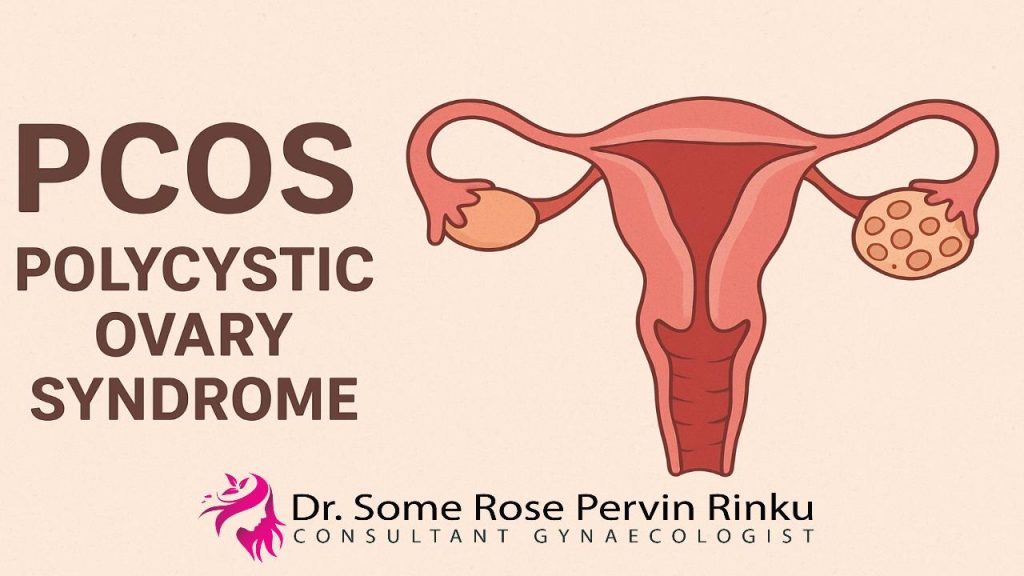
Polycystic Ovary Syndrome (PCOS) is believed to affect 1 in 10 women of reproductive age, making it one of the most prevalent hormonal disorders among women. Yet there’s a lot of confusion about it, despite how common it is. Many women endure disruptive symptoms for years before they get the right diagnosis. Cracking the code on this multifaceted disease is the key to treating it successfully and feeling your best.
This guide will make PCOS simple for you. We’ll discuss its symptoms, causes, and what to expect when you visit your doctor. You will also discover real treatment approaches and practical, simple lifestyle changes you can make to end this hormonal imbalance and reclaim your own well-being.
What is PCOS? Breaking Down the Basics
Polycystic Ovary Syndrome (PCOS) is a multifaceted hormonal disorder affecting women of reproductive age. Even the name is a bit of red herring. Although polycystic refers to “many cysts,” many women with the disorder do not have cysts on their ovaries. The multiple small immature follicles (often not capable of releasing an egg) are characteristic.
PCOS is not only a reproductive disorder, but a systemic disease. The roots of the problem are to be found in a hormonal imbalance, notably an excess of androgens — or what are sometimes called “male hormones,” though they exist in all women. Such an imbalance can disturb the menstrual cycle and cause a host of physical and emotional symptoms. It is a systemic metabolic and endocrine disease that should be managed as such.
Recognizing the Signs: Common PCOS Symptoms
The symptoms of PCOS look different for different people, which contributes to how difficult it can be to diagnose. But there are some general signs to watch for.
Another common symptom is irregular or no menstrual periods. This might involve having fewer than eight periods a year, or cycles that are more than 35 days long.
Another group of symptoms has to do with too much androgen being produced. This can manifest as:
- Hirsutism: Excessive hair growth on the face, chest, back or abdomen.
- Acne: Long term and severe acne that especially appears around the jawline.
- Loss of hair: Hair loss or balding of the scalp or male-pattern type baldness.
Metabolic symptoms are also extremely prevalent. Women with PCOS–Weight Gain and Difficulty Losing Weight Many of us are faced with weight gain and/or an inability to lose the extra weight. This is frequently associated with insulin resistance, in which the body’s cells don’t respond properly to insulin and blood sugar levels become elevated.
Another point to consider is the emotional effect. Mood swings, depression, and anxiety can all be part of the PCOS hormonal package that can lead to feelings of low vitality.
The Root Causes: Understanding PCOS Development
The exact cause of PCOS is not known, however it is believed to be a combination of genetic and environmental factors. It involves several key mechanisms of its development.
Insulin resistance is a large factor. If your body is resistant to insulin, your pancreas makes more of it to try to get things back on track. The key problem, however, is are how high insulin levels can stimulate the ovaries to overproduce androgens, deranging ovulation and with it, other hallmarks of PCOS.
Genes are also important when it comes to it. PCOS is more common among women with a mother or sister who has the condition. A number of genes have been found to have an association with the condition.
Low-grade inflammation is another contributor. It’s well established that women who have PCOS frequently exhibit a form of chronic, low-grade inflammation, which can cause the ovaries to produce androgens.
Although lifestyle is not the cause of PCOS, lifestyle, including diet and exercise, may affect symptom severity. But it’s important to remember that this is a medical condition, not a state you put yourself in simply because you want to.
Getting Diagnosed: What to Expect
Confirming PCOS can also take time; there isn’t one test for it. Doctors generally use the Rotterdam Criteria, which state that a patient must have at least two of the following three conditions to be diagnosed:
- Irregular or absent periods.
- Clinical or biochemical evidence of androgen excess (e.g, hirsutism, acne, or biochemical blood test findings).
- Ovaries that are polycystic on ultrasound.
Your doctor might give some tests to make a diagnosis, such as:
- Blood test to measure hormone levels (testosterone, LH, FSH)
- Pelvic ultrasound, to scan your ovaries
- Glucose tolerance test whereby you are checked for insulin resistance.
Advocating for yourself is important. It may also be useful to record your menstrual cycles and develop a specific list of all of your symptoms before your appointment. Providing this detail may assist your doctor in having a better understanding of what you are experiencing.
Treatment Approaches: Managing PCOS Effectively
Some people with PCOS turn to the management of symptoms through medications and lifestyle modifications to minimize their long-term health risks.
Medical Treatments
Doctors often prescribe hormone-based contraceptive (birth control) pills as the first step in treatment to regulate periods and improve physical symptoms caused by high androgens. If you’ve got insulin resistance, your doctor may put you on metformin, a drug commonly prescribed for type 2 diabetes, to ramp up your body’s sensitivity to insulin. Women who are trying to become pregnant may benefit from fertility treatments, such as clomiphene or letrozole, which help trigger ovulation.
Lifestyle Management
We’ve said it before, lifestyle is your treatment cornerstone when it comes to living well with PCOS. Eating a variety of whole foods and incorporating lean protein into your diet is great for regulating insulin and maintaining weight. Exercise is also critical; a combination of cardiovascular and resistance training can increase insulin sensitivity and help with hormonal balance.
Another necessary inclusion are ways to handle stress. Chronic stress can aggravate hormonal imbalances, so considering things like yoga, meditation or even mindfulness can be beneficial. Being mindful about your spending isn’t a once-in-a-lifetime pursuit, it’s an activity you participate in on a weekly, even daily basis.Reduced CageYour OpinionAre the themes used in this article working?
Living Well with PCOS: Long-term Health Considerations
Treating PCOS isn’t just about managing the symptoms you currently have, it also involves protecting your long-term health. It’s linked to a higher risk of other health conditions such as type 2 diabetes, high cholesterol, heart disease and endometrial cancer.
It is very important to be evaluated routinely to catch anything that might be wrong early. That means checking your blood pressure, cholesterol and blood sugar levels. If you are worried about fertility, a healthcare provider can help you talk through family planning and make a plan.
Desperately needed also is mental health support. Finding others who get it can feel extremely validating. Try to find support groups, online and in your community, to exchange stories and tips. You can definitely live a healthy and happy life with PCOS given the right management.
Empowering Your PCOS Journey
PCOS is a manageable condition. If you have a clear understanding of what causes this condition and what the symptoms are. Then you can collaborate with your healthcare professionals to develop a treatment plan that’s right for you. The critical first step is to locate a healthcare provider who understands the hormone imbalance and is willing to listen to your input.
Sign up here to get the latest news on women’s health and other issues facing society. You’ll get practical tips and expert advice delivered to your inbox every week.