
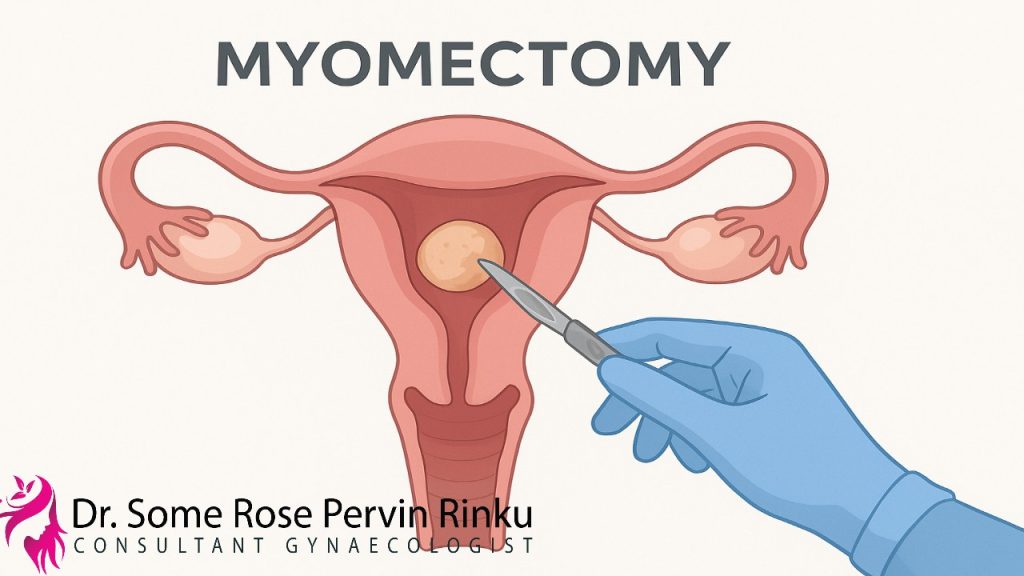
A lot of women are symptomatic with, you know, heavy menstrual cycles or pelvic pain or a pressure in the lower abdomen. These problems are frequently related to uterine fibroids. A myomectomy is one of the main surgical options available to women who want relief but not a hysterectomy. This process is extremely valuable for women who want to conceive in the future.” This guide provides a straightforward and comprehensive look at what is a myomectomy, the various types of procedures, what to expect in the recovery process as well as how to prepare. We’ll discuss what fibroids are, different types of myomectomy, recovery, and possible risks.
What Are Uterine Fibroids?
Fibroids are noncancerous tumors of the uterus that often occur during childbearing years. Although relatively common, their symptoms can burden quality of life. Common symptoms for which women seek treatment include heavy or extended menstrual bleeding, pelvic pain or pressure, frequent urination and even fertility issues. It is worth noting that not all fibroids need treatment. But for fibroids that are symptomatic and problematic, removal of the uterine fibroid is a frequent and successful choice.
Understanding Myomectomy: The Fibroid Surgery
A myomectomy is an operation to remove uterine fibroids, also known as leiomyomas, without removing the uterus. This, in turn, is the major difference between a myomectomy and a hysterectomy also known as the total removal of your uterus. A myomectomy is frequently the procedure of choice for women with a desire to bear children, because it can retain the uterus. Ideal candidates for this type of fibroid surgery are women who have symptomatic fibroids and who would like to preserve their fertility.
Types of Myomectomy Procedures
The type of surgery that’s best for you depends on a variety of factors, ranging from the size and number of your fibroids to their location. The best treatment for you will depend on what is causing your symptoms, and your doctor will advise you accordingly.
Abdominal Myomectomy
This is a standard open surgery where an incision is made on the lower abdomen and the fibroids are removed. A myomectomy may be suggested to women who have very large, multiple or deeply embedded fibroids in the abdomen. It leads to longer hospital stays and recovery times than other procedures due to its invasiveness.
Laparoscopic Myomectomy
A laparoscopic myomectomy is a type of minimally invasive operation. The surgeon makes a few small cuts in the abdomen and threads a long, skinny camera with a light on the end (a laparoscope) through a tiny incision, so he can see and remove the fibroids. This is a good option if you have none or only a few small fibroids. The advantages are less discomfort, less visible scarring, and a faster recovery from myomectomy. Sometimes this operation can be done with the help of a robot, allowing the surgeon even more precise movement.
Hysteroscopic Myomectomy
This is all done without any incisions from the outside. The surgeon then inserts narrow instruments through the vagina and cervix and into the uterus to extract the fibroids. The hysteroscopic myomectomy is the best procedure for dealing with submucosal fibroids – those that lead into the cavity of the uterus. This technique also has the shortest recovery period as it is the least invasive.
Comparing Myomectomy Procedures
| Procedure Type | Incision Type | Best For | Hospital Stay | Typical Recovery Time |
| Abdominal | Single larger abdominal incision | Large, numerous, or deep fibroids | 2-3 days | 4-6 weeks |
| Laparoscopic | Several small abdominal incisions | Fewer, smaller fibroids | Same day or overnight | 2-4 weeks |
| Hysteroscopic | No external incisions | Fibroids inside the uterine cavity | Same day | 1-4 days |
Preparing for Your Myomectomy
Here’s how prepping early can help make for a less stressful surgery and recovery. The first step on your journey will be meeting with your doctor. This is exactly when questions like “Which type of myomectomy is right for me?” are best raised. and “What are the particular risks that I need to know about?
You’ll probably also have pre-operative tests before your surgery, such as blood tests and an imaging study, such as an ultrasound or MRI, to map the fibroids. At home, you should also prepare practically. It can also be very helpful to have a friend or family member who assists you during the first few days of rest, meals cooked and frozen ahead of time, and a cozy space where you can recover well from the get go.
The Myomectomy Recovery Journey
Learning what happens after the surgery is a critical step in the process. Your myomectomy recovery will be different, depending on the type of myomectomy you have.
Immediately After Surgery
After the operation, you will be watched in a recovery area. You may need to stay in the hospital for a few hours or a few days. Your pain will be controlled with medicine to make you comfortable.
First Few Weeks at Home
When you get home, you will have limitations on your activity. These often include recommendations to avoid heavy lifting, such as exercising or driving during recovery. You will be given directions concerning your incisions for either abdominal or nonabdominal (laparoscopy) surgeries. Fatigue fatigue and some vaginal spotting can occur with this hormone.
Long-Term Recovery
The amount of time you will need to get back into your daily routine is different for everyone, and depends on your surgery. It can take between two and six weeks to make a full recovery. Listen to your body, and listen to your doctor when you are safe to get back to work, performing physical activities and other activities.
To help your recovery go smoothly, follow these simple do’s and don’ts:
- Do get plenty of rest.
- Do stay hydrated and eat nutritious foods.
- Do take short, gentle walks to promote circulation.
- Don’t lift anything heavy until your doctor says it’s okay.
- Don’t ignore signs of infection, such as fever or increased pain.
- Don’t rush your recovery; allow your body the time it needs to heal.
Risks and Considerations
As with any surgery for fibroids, a myomectomy carries some risks. These may include bleeding, infection, injury to nearby organs, and scarring. There is also a slight possibility that you will develop new fibroids later on.
For women wishing to become pregnant in the future, a myomectomy may have implications. Depending on where and how deeply the fibroid is removed, your doctor might suggest a Cesarean section (C-section) delivery to protect you and your baby.
A Path to Relief
See, myomectomy surgery is a successful treatment for uterine fibroids and works to reduce the symptoms as well as saving the uterus. There are different surgical procedures to choose from, and depending on your health, and your family planning goals, your treatment can be personalized. Having insight into the process and being prepared for recovery from myomectomy are important to ensure a successful outcome.
Talk with your physician to discuss your symptoms and see if a Myomectomy is the best option for you.
To find out more, make an appointment to speak to one of our women’s health providers about what may be best for you.