
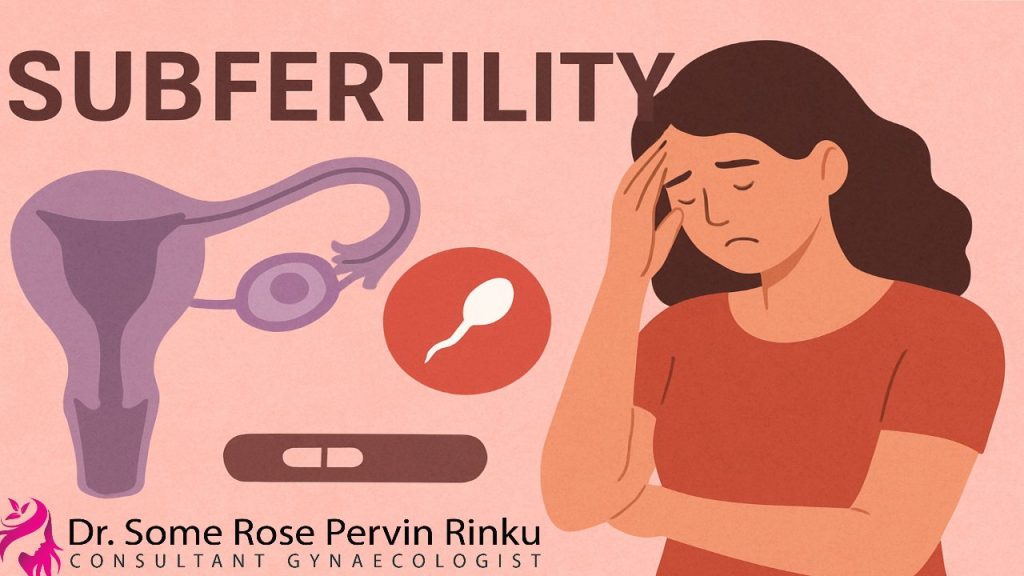
Starting a family is an exciting time, but for some couples, the road to getting pregnant can come with unexpected bumps. And when month after month goes by without a positive pregnancy test, the natural impulse is to panic and to withdraw. This phenomenon — where conception takes longer than one might expect — has a name: subfertility. Just one word separates the childless from the parent. Knowing what is subfertility is the initial thing for the couples who are dealing with these struggles.
This article will look at what being subfertile is, and the difference between being subfertile and infertile. We’ll touch on potential reasons, when it may be time to talk to a professional and actionable steps you can take to support your reproductive health. Understanding where you are helps you to make educated decisions and take hopeful steps forward.
What is Subfertility? Defining the Condition
Subfertility is when fertility is less than normal, so it takes a little longer than average to conceive, but it doesn’t stand in the way of conception. It is a stage of delayed conception, not a stage in which conceiving is impossible. Couples are usually considered subfertile if pregnancy has not occurred after six to twelve months of unprotected intercourse.
Picture something more like an extended schedule. Although it takes several months for many couples to conceive, subfertile couples may take a year or longer. The operative difference, however, is that without medical intervention, the chance for pregnancy continues to be equally likely. It is a situation that happens frequently, to a lot of couples who hope to build families. The good news is that, for a lot of people, time and patience are most of what’s required to succeed.
Subfertility vs. Infertility: Key Differences
Subfertility versus Infertility These terms are commonly used interchangeably but it is important to appreciate the difference. The main variation is in the opportunity for conception without the aid of a doctor.
- Subfertility suggests a delay. It means a couple’s odds of naturally conceiving are worse than straight odds in any given month, but it is possible to achieve pregnancy over time. For many, it’s a momentary condition.
- Infertility A couple is generally considered to be infertile if they have not conceived after a year of having sexual intercourse without using contraception (or 6 months if the woman is over age 35). This diagnosis generally implies medical intervention would be needed to achieve pregnancy.
Having trouble conceiving – and not really knowing why – can be a frustrating and emotional roller-coaster ride. But the fact that it is just delayed, that can give you hope. An infertility diagnosis, however, can often provide a much more definitive point in time, and marks the start of far more intense medical pursuit. In both cases emotional support is needed, but the larger message and manner to move next can be very different.
Common Causes of Subfertility
The causes of delayed conception can be multifaceted and can be attributed to one or both partners alike. A specific cause is sometimes not determined and is called unexplained subfertility. Here are some common factors.
Female Factors
In women, there are a number of factors marked for subfertility:
- Irregular Ovulation: Certain health conditions, such as Polycystic Ovary Syndrome (PCOS), could result in sporadic, irregular ovulation, which makes it harder to know when to have intercourse to become pregnant.
- Aging: As a woman ages so do her eggs, most notably after 35. This can lengthen the time it takes to get pregnant.
- Mild Endometriosis: This disorder, in which similar tissue to the uterine lining grows outside the uterus, causes inflammation that might get in the way of conception.
- Stress: Ongoing stress can interfere with the hormones that control ovulation.
Male Factors
Men’s reproductive health is equally important. Common factors include:
- Sperm Count or Motility: A low sperm volume or poor motility (sperm’s ability to swim effectively) can potentially decrease the odds of fertilization in any cycle.
- Lifestyle Factors: Smoking, heavy drinking, and bad dietary habits can dictate the quality of sperm.
In a large proportion of cases, subfertility is due to a combination of minor factors in the gamete or the gamete interplay from the male or female partner or both, and a more minor group caused solely by the male factor. The good news is, many of these causes are treatable, or can get better with time and lifestyle changes.
When to Seek Help for Fertility Concerns
Patience is a virtue on the fertility journey but sometimes it’s a good idea to seek professional advice. Having an idea of when to seek medical attention can offer relief and sound direction to society during quarantine.
Consider seeking help if:
- You are under 35 and have been attempting to get pregnant for a year.
- You are 35 or older and you have been trying for six months.
- You’re in your 40s and just now getting curious.
- You have a diagnosed medical issue that may impact fertility (such as PCOS, endometriosis or irregular periods).
- Your partner has an identified fertility problem.
At a first fertility consultation, your doctor is likely to go through your medical history, lifestyle, and perhaps suggest a few initial tests. This might involve blood tests to measure hormone levels and ovulation, or a semen analysis for the male partner. This exercise is to gain information that will help you put things into perspective for yourself.
Natural Ways to Support Fertility and Conception
Many couples look for ways to naturally boost their reproductive health. Lifestyle modifications can play a significant role in improving your chances of getting pregnant.
- Diet and Exercise: Healthy diet rich in fruits, vegetables, lean protein, and whole grains contribute to overall health, including fertility. Moderate exercise is also good, but overdoing it with very intense workouts can sometimes backfire.
- Control Stress: Stress affects hormones related to reproduction. “Things like yoga, mindfulness, meditation and other activities like hobbies all help manage stress,” he said.
- When To Have Sex: Tackling ovulation is probably the best bet you can have when trying to increase your chances of having a baby. You can also try ovulation predictor kits, track your basal body temperature or monitor cervical mucus to find your most fertile time.
- Supplements and Vitamins: All women trying to become pregnant are advised to take prenatal vitamins that include folic acid. Other supplements, such as CoQ10 or Vitamin D, can also aid fertility, but you should always check with your doctor before starting any new supplements.
- Environmental Elements: Reducing exposure to specific toxins, such as pesticides and certain chemicals found in plastics, might help. For men, minimizing one’s exposure to extreme heat from something like hot tubs or laptops can help protect the quality of one’s sperm.
And most of all, take care of your emotional health. The journey can be stressful, so rely on a partner, friends or support groups.
Treatment Options and Success Rates
If conception is slower than expected, or a cause of the delay is discovered, there are many effective treatments for subfertility. The method usually begins with the most minimally invasive techniques.
- Watchful Waiting: For couples with unexplained subfertility, many doctors will advise, “Wait and things may improve and if after a year nothing has happened, then we will intervene.”
- Modifications in Lifestyle: As in most cases, in some situations, diet, exercise, and stress-reduction advice from a healthcare provider may be the initial treatment.
- Medications: Ovulation-inducing drugs — such as clomiphene citrate (Clomid) — can help regulate cycles for women with irregular menstrual cycles.
- IUI: IntraUterine Insemination – This is a process where washed sperm is inserted into the uterus around ovulation. It can also be beneficial for mild male factor problems.
The success rates of these methods depend on the cause of infertility and other individual aspects of the couple. Having conversations with a fertility specialist can help you weigh your options and decide what aligns with your feelings and needs.
Moving Forward with Hope and Knowledge
Realising that you may have subfertility, rather than untreated infertility, can be eye-opening. It casts the delay as a pause, not a dead end. Subsequent conception For the majority of couples, subfertility is transient and they conceive spontaneously.
Your journey is unique. Keep track of your cycles, talk to your partner and don’t be afraid to get support when you need it. Knowledge is a powerful tool. When you know your body and all of your options, you can move forward on your journey to parenthood with confidence and positivity.