
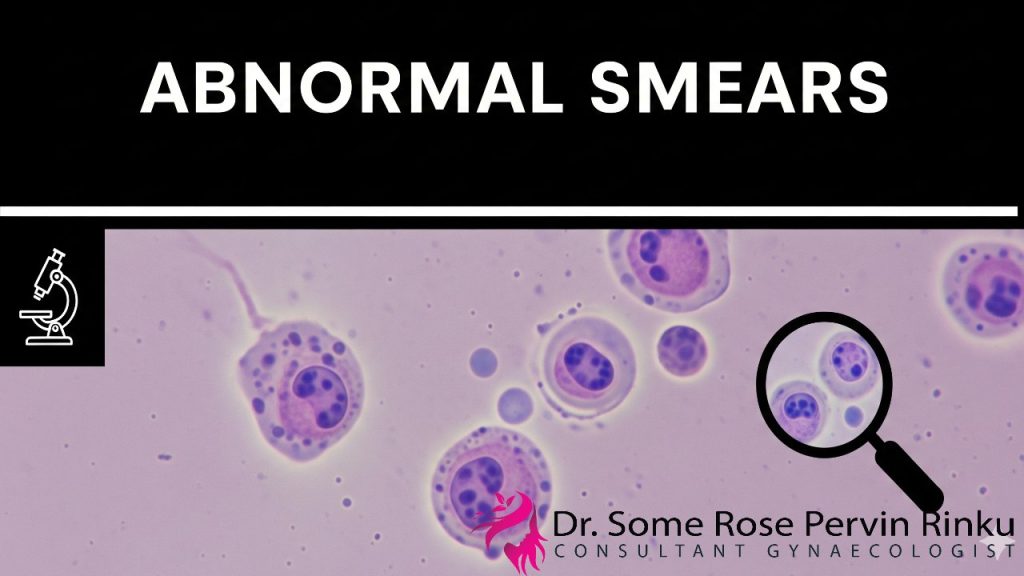
Getting the news that you have an abnormal Pap smear can be unnerving. You may be asking questions like, “What does this mean for my health?” and “What should I do now?” Whatever you’re feeling — relieved, anxious (or both) — rest assured, you are not alone, and this does not necessarily mean anything at all. This all-encompassing guide demystifies what an abnormal Pap smear is, delves into potential causes behind it, outlines potential threats, and lays out definitive next steps.
What Is a Pap Smear and Why Does It Matter?
A Pap smear may also be called a Pap test; it is a standard screening procedure to identify abnormal cells on the cervix. This rapid and easy process can be an important step for protecting against cervical cancer by indicating changes in cervical cells before they could become something more serious. Pap tests — especially for women between the ages of 21 and 65 — are a critical part of reproductive health.
What Does an Abnormal Pap Smear Result Mean?
An abnormal result shows that the lab found some changes in your cervical cells. Critically, it doesn’t mean cancer. The vast majority of abnormal findings come from small changes in cells that either disappear on their own or require observation. Here’s a primer to help you understand the different types of cell changes:
- ASC-US (Atypical Squamous Cells of Undetermined Significance): (Atypical Squamous Cells of Undetermined Significance): This is the most commonly noted abnormal finding. The changes are inconsequential and may be caused by an infection or hormonal variation.
- LSIL (Low-Grade Squamous Intraepithelial Lesion): Specifies mild changes, frequently linked to a Human Papillomavirus (HPV) infection.
- HSIL (High-Grade Squamous Intraepithelial Lesion): Suggests even more serious changes in cervical cells that should be evaluated.
- AGC (Atypical Glandular Cells): This is rare, but suggests changes in the cells that make mucus in the cervix or the uterus.
Your doctor will discuss with you what your results mean for you, and whether you need any further tests.
Causes of Abnormal Pap Smear Results
Numerous etiologies have been associated with abnormal Pap smears. Among the most common are:
- Human Papillomavirus (HPV): HPV is the most common cause of cervical cell changes. It’s very common, with about 80% of sexually active people getting it during their lives. The majority of HPV infections clear without treatment, yet certain high-risk strains can lead to abnormal results.
- Inflammation or Infection: Some infections like bacterial vaginosis or yeast infections can create inflammation around your cervix which can impact the test.
- Hormonal Changes: Pregnancy, menopause, or hormones can cause temporary changes to the cells of the cervix.
- Lifestyle Factors: Pregnancy, menopause, or hormones can cause temporary changes to the cells of the cervix.
- Cervical Dysplasia: This is a type of precancerous change in the cells of the cervix of the uterus, associated with HPV.
The cause of the abnormal cell changes is important in choosing your best next step.
Are There Risks Associated with Abnormal Pap Smears?
The majority of falloffs do not cause complications if treated correctly. But it’s still crucial to be proactive because there are some changes, if not treated, can become cervical cancer. However, the true risk of progression is determined by the nature and severity of the abnormality. For instance:
- Minor abnormalities (like ASC-US and LSIL) frequently self-correct lacking medical involvement.
- High-risk abnormalities (such as HSIL) require follow-up tests and, in some cases, treatment to avoid progression into cancer.
Early detection through regular screenings is key to reducing these risks.
Key Statistic:
The rates of cervical cancers have dropped by approximately 71% for clients who have a Pap Smear followed by a presence of a precancerous lesion (per the Centers for Disease Control and Prevention (CDC), providing a potentially life-saving early detection.
What Happens After an Abnormal Pap Smear?
If you get abnormal results from your Pap smear, your healthcare provider will review your test with you and provide specific guidance based on the type of abnormality found. Common follow-ups include:
Repeat Pap Smear
Depending on your results, your doctor may suggest repeating the Pap test in 6 or 12 months to observe changes. This is particularly so with minor abnormalities such as ASC-US.
HPV Testing
HPV Test- This test will tell whether or not any high-risk strains of HPV are in the circulation. It’s sometimes performed together with a Pap test, especially when the results are abnormal.
Colposcopy
A colposcopy is a closer look at the cervix with a special magnifying device. The… your doctor Exam: The… your doctor During this test, your doctor may take a biopsy to look at more closely.
Treatment of Abnormal Cells
If precancer are found, you may need to have them removed via cryotherapy, laser therapy, or loop electrosurgical excision procedure (LEEP).
Treatment for Underlying Causes
If the cause is infection or inflammation, you may return to normal when the infection or inflammation gets better or goes away.
How to Stay Proactive with Your Cervical Health
Owning your health can be a game changer in the odds of serious outcomes. Here’s some of what you can do:
Maintain Regular Screenings
Get screened as regularly as your health care provider recommends with a Pap smear. “If you’re not 30 or over, the standard is the combination of Pap smears and HPV testing every five years.”
Get the HPV Vaccine
Vaccine High-risk HPV types Vaccination against high-risk HPV types can significantly lower your risk of cervical abnormalities. The vaccine works best if given before a person is exposed to the virus, and is generally recommended in early adolescence — but it can also be offered to older individuals.
Practice Safe Sexual Health
Using condoms and and having fewer sexual partners can lower your risk of getting HPV and other STIs.
Quit Smoking
Incidence of cervical abnormalities in smokers is twice as higher than in nonsmokers. Stopping smoking increases overall health of your immune system.
Strengthen Your Immune System
Healthy eating, physical activity, good sleep, and stress management can help to contribute to a healthy immune system and help support the body in ‘defending’ itself.
A Final Word of Encouragement
It’s normal to be concerned about abnormal test results, but here’s the most important thing to take away from all this: Abnormal Pap smears are common and they don’t spell disaster. With appropriate follow-up, most cervical abnormalities are controllable and curable. Your healthcare provider will be able to give you guidance along the way.
Just by staying informed and keeping up with regular screenings, as well as healthy habits, you’re taking vital steps to preserve your health in the long run. And don’t forget that if you have any questions, feel free to reach out to your doctor at any time — they’re there for support and clarity.
Pap Smear FAQ
What is a Pap smear?
A Pap smear (also called a Pap test) is a simple medical procedure that looks for abnormal changes in the cells of the cervix. It also facilitates early detection of precancerous conditions, infections and cervical cancer, if needing be, then timely treatment.
Why is a Pap smear important?
Pap smears themselves are an important tool against cervical cancer. This test can save lives, as it identifies the abnormal changes in the cells before they develop into cancer. Regular screenings can catch infections or other cervix-related problems, too.
What do abnormal Pap smear results mean?
A negative result does not necessarily mean you don’t have cancer. It frequently reflects cell changes from the human papillomavirus (HPV) or other non-cancerous conditions. Further tests may be necessary in order to further pinpoint the cause.
What should I do if my Pap smear results are abnormal?
Stay calm — abnormal results are a common and, in many cases, treatable occurrence! Your doctor may suggest more tests, including a colposcopy or a biopsy, in order to learn more. Listen to their advice, and don’t be afraid to ask questions or voice any apprehensions.
Is the procedure painful?
Pap smears are uncomfortable for most but not painful. It is a rapid gathering of the cervical cells with a tiny brush. It’s a project that takes just a few minutes.
At what age should I start having Pap smears?
Screenings traditionally start at 21, no matter if a woman is sexually active. If you have any health conditions you are concerned about, talk to your physician to decide on the best strategy for your situation.
Can I have a Pap smear during pregnancy?
Are Pap smears safe during pregnancy and will I need one? Discuss with your health care provider when to have the test done during your pregnancy.
Where can I get a Pap smear?
You can get a pap smear at most clinics, doctor’s offices, and OB/GYN practices. Contact a provider that you trust to talk about your options for screening.
Regular Pap smears are one powerful way to take charge of your health. If you have further questions or concerns, your healthcare provider is just one call away- they’re there to look out for you!
If you’ve had an abnormal result or have questions about Pap tests, book an appointment with Dr. Some Rose Pervin at Rajshahi Medical College Hospital, Popular Diagnostic Center, or Rose Medical Center.