
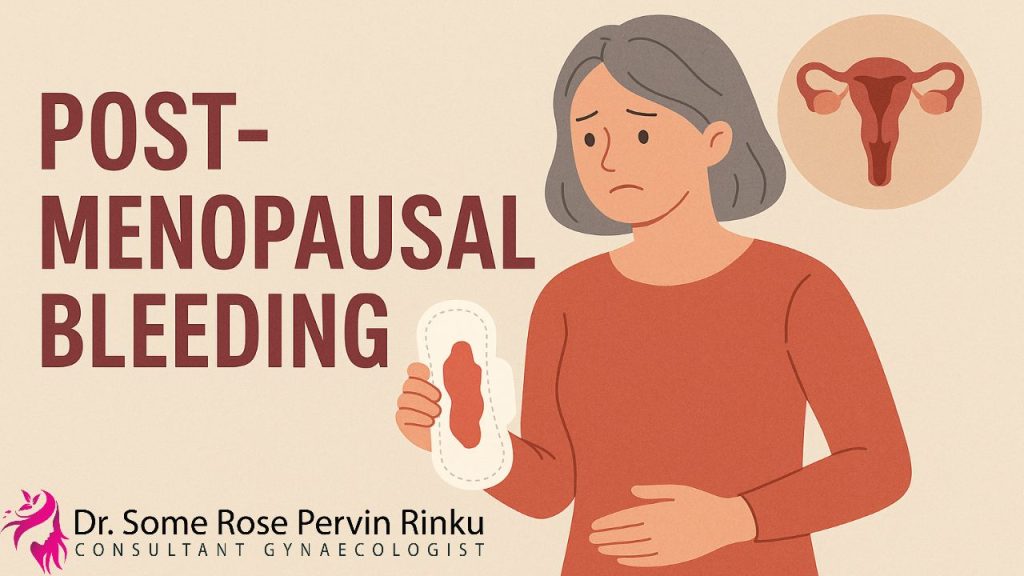
Seeing spots or bleeding after you’ve completed menopause is disconcerting. This is a moment in which there might well be cause for considerable alarm. But it’s a pretty common problem that many women face. Knowing what is going on with your body is one of the first steps to peace of mind and proper care. This post offers clear answers to a number of questions about postmenopausal bleeding—what it is, what its common causes are, and why you should see a doctor about it. We’ll look at what exactly postmenopausal bleeding is, look into some potential causes, running the gamut from innocuous to dire, draw a sketch of the kind of doctor’s visit you can expect, and finally explore treatments that can put you in the driver’s seat when it comes to maintaining your wellness.
What is Postmenopausal Bleeding?
Before we can comprehend postmenopausal bleeding, we must understand menopause itself. Menopause is a natural biological process officially defined as 12 consecutive months without a menstrual period. After this 12-month mark, any vaginal bleeding is described as postmenopausal. It can vary from light spotting, which is a pink, or brown discharge, to a flow that’s heavier than your normal period.
It’s also key to differentiate this from the irregular cycles you may have had in perimenopause — the transition period to menopause. During perimenopause, changing hormone levels can bring erratic periods, but bleeding after a full year without a cycle is another matter and demands medical attention. It’s important to identify these signs and symptoms of menopause in order to listen to your body and work towards a healthier life.
Common Causes of Postmenopausal Bleeding
While all postmenopausal bleeding should be assessed by a doctor, it’s comforting to know that most causes aren’t related to cancer. Underlying causes usually are benign and easily treated. Here are the more common culprits.
Endometrial Atrophy (Thinning of the Uterine Lining)
After menopause, the levels of estrogen drop dramatically. As a result of this hormonal change, your endometrium, the tissue lining your uterus, may become very thin, dry and fragile. This is called endometrial atrophy. The fragile tissue can bleed easily, causing dark brown blood or light bleeding. This is one of the commonest and least serious causes of postmenopausal bleeding.
Endometrial Polyps
Endometrial polyps Noncancerous growths on the lining of the uterus. They are usually harmless, but may be accompanied by irregular bleeding or spotting. These growths can be of any size, and they are a frequent cause of bleeding after menopause.
Endometrial Hyperplasia (Thickening of the Uterine Lining)
Sometimes, the lining of the uterus grows too thick. Known as endometrial hyperplasia, this condition is often the result of excess estrogen and insufficient progesterone, which means that there is too much estrogen in the body and not enough progesterone to counteract it. Endometrial hyperplasia isn’t cancer, but some types may become cancer and develop into cancer if left untreated. This goes to show why an assessment is important.
Medications
There are some medications that cause postmenopausal bleeding. Hormone Replacement Therapy (HRT) provides a typical example. Spotting can occur when dosages or types of hormones are changed. Blood thinners and some medications can also increase the risk of bleeding.
Vaginal Atrophy
As with endometrial atrophy, the tissues of the vagina can become thin, dry and less elastic as a result of low estrogen levels. That condition is vaginal atrophy, which can make the tissues thinner and more prone to irritate and tear, leading to bleeding, including after sex. This bleeding can be confused with vaginal bleeding.
More Serious Causes
Though less frequent, postmenopausal bleeding can occasionally be a sign of something more serious. In roughly 10 percent of people, it can indicate endometrial or uterine cancer. THIS is why every case of postmenopausal bleeding should be examined by a doctor. Early detection of any problems is necessary for successful treatment and positive results.
When to See a Doctor (and What to Expect)
The bottom line is easy: any vaginal bleeding after menopause, light or heavy, occasional or frequent, deserves a trip to your doctor or gynecologist. Don’t put off an appointment, even if the bleeding subsides.
Having an idea of what will happen may help minimize anxiety before the appointment. Diagnosis is simple and merely for orienting to the etiology of the hemorrhage.
- Initial Consultation: What your doctor will do Your doctor will start by inquiring about your medical history, what menopause signs or symptoms you’ve been experiencing and the specifics of the bleeding. Be ready to talk about the quantity, timing, color, and any possible triggers.
- Physical Exam: The pelvic exam is an integral part of the evaluation. This lets your doctor examine your vagina, cervix and uterus.
- Common Diagnostic Tests: In order explore further, your doctor may decide that it is necessary to conduct one or more of the following tests:
- Transvaginal Ultrasound: An imaging test is done with a small, wand-like device that is placed in your vagina to create pictures of your pelvic organs. It enables the doctor to evaluate the thickness of the uterine lining and to identify signs of abnormalities, such as fibroids or polyps.
- Endometrial Biopsy: This is a routine office procedure. A small tube is placed through the cervix into the uterus and a small sample of the endometrial lining is removed. The sample is then sent to a laboratory for normal or cancerous cells.
- Hysteroscopy: In this test, a lighted, thin tube called a hysteroscope is inserted into the uterus. This allows the doctor to get a good look at your uterine lining and potentially identify and sometimes remove polyps or other growths during the procedure.
Treatment Options for Postmenopausal Bleeding
Treatment will concentrate on correcting the underlying cause of the bleeding after a diagnosis is established. The good news is that many conditions can be successfully treated.
- For Atrophy: If thinning of the vaginal or uterine lining is the cause, low-dose estrogen regimens work very, very well. These can be given as creams, rings, or tablets to replace tissue health.
- For Polyps: The typical treatment is surgery to remove the growth (the procedure is commonly performed during a hysteroscopy). They usually do this to make as little damage as possible.
- For Hyperplasia: Treatment will vary depending on the type of hyperplasia. Treatment can run the gamut from progestin therapy (in the form of a pill, shot or IUD) to counteract the effects of estrogen, to a hysterectomy (surgical removal of the uterus) in extreme or precancerous cases.
- For Cancer: If cancer is found, then that will depend on the type and stage. It frequently requires surgery, and may involve radiation, chemotherapy or hormone therapy. Prognosis is much better with early detection.
Conclusion
Now, since it’s mentioned, NEVER think of postmenopausal bleeding as ‘normal;’ always a topic of discussion with a healthcare provider. The potential for cancer can be scary. But let’s not forget that the overwhelming majority of growths stem from benign, treatable causes.
Tuning into your body and advocating for your health are essential steps in managing the changes following menopause. Do not downplay symptoms or wait to ask for help. By being proactive and making an appointment with your doctor, you can receive the answers and care you deserve. It’s for the sake of your long-term women’s health.