
Menopause is unique to every woman, but there is one constant: going through the transition without the right knowledge and support can be overwhelming. This is a natural biological process that signals the end of your reproductive years and often occurs between 45 and 55, but may happen sooner or later.
You are not the only one on this journey. More than 1.3 million women in the United States reach menopause annually, according to the National Institute on Aging, but many of them are not ready for what their bodies and emotions are about to do. The good news? You have known how you can experience this transition in a meaningful way.
This ultimate guide will take you through all the ins-and-outs of menopausal symptom, what causes them and what you can do to ease them. Whether you are having your first hot flash or struggling to sleep through the night, here, real-world solutions that can help you feel more like, well, yourself again.
What Exactly Is Menopause?
Menopause is officially declared when 12 consecutive months have passed without a menstrual period. But the transition actually starts years beforehand during a stage known as perimenopause, when hormone levels first start to fluctuate and periods may become irregular.
As you get older, your ovaries make fewer hormones — estrogen and progesterone, which control the menstrual cycle and impact other body systems. This hormonal transformation doesn’t happen overnight — it’s a gradual process that can take a few years to play out.
There are really three stages in the whole process:
- Perimenopause: The time during which symptoms first start.
- Menopause: Time when menstruation ends for good.
- Postmenopause: The years following menopause.
Knowing the stage you’re in can help you prepare for what’s ahead and find the right treatment.
Common Menopausal Symptoms You Should Know
Physical Symptoms
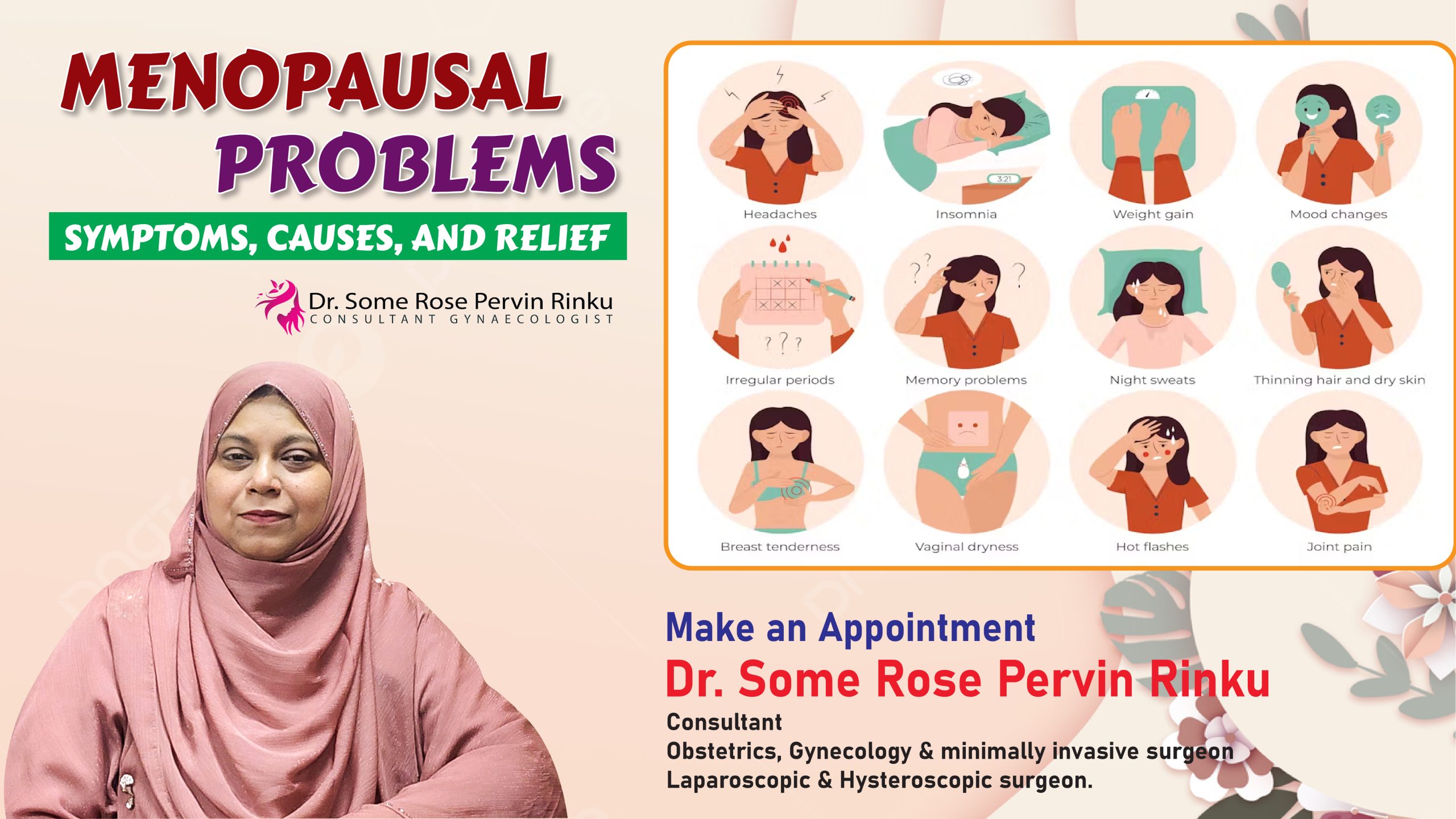
Hot Flashes and Night Sweats
These sudden sensations of intense heat are experienced by up to 75% of menopausal women. Hot flashes can range from 30 seconds to several minutes, often including sweating, a rapid heartbeat and a general sensation of anxiety. If they happen while you sleep, they’re known as night sweats and can disturb your sleep in a big way.
Sleep Disruptions
Beyond night sweats, hormonal fluctuations may also make it more difficult to fall and stay asleep. You may start to wake frequently or feel less rested even after you’ve spent enough hours in bed.
Irregular Periods
You may continue to get unpredictable periods during perimenopause. They may be heavier or lighter than normal, more or less frequent, or last for longer than normal. This is totally fine in transition.
Physical Discomfort
Pain in joints, muscle tension and fatigue, headaches and tenderness in the breasts are quite common in menstruating women. Some also find a change in the texture of their skin or increased dryness.
Emotional and Cognitive Changes
Mood Fluctuations
There are also hormonal changes that occur that can cause mood swings, irritability, or sadness. These emotional swings frequently feel more exaggerated than regular PMS sentiments, and can happen seemingly out of nowhere.
Cognitive Effects
“Brain fog” is an actual thing during menopause. You may have difficulty concentrating, memory problems, or finding the right words. The good news is that these cognitive changes are usually reversible.
Energy Levels
You’re tired all the time, even if you get enough sleep. This tiredness can influence the way you feel both mentally and physically during the day.
What Causes These Menopausal Changes?
Declining levels of estrogen is the main cause of menopausal symptoms. Estrogen doesn’t just control your reproductive system — it affects your cardiovascular system, bone density, skin health, brain function, and body temperature regulation.
Your body takes time to adapt to working with fewer hormones once the estrogen your ovaries produce starts to wane. It is this period of adjustment that helps explain why symptoms can be so drastically different from day to day, and why some women suffer with worse symptoms than others.
There are a few things that determine how your own experience will play out:
- Genetics: Symptoms are often proportional to family history.
- Lifestyle factors: Diet, exercise, stress and sleep levels all contribute to it.
- Overall health: this symptom might be magnified if there are concurrent health issues.
- Body composition: Composition of the body Weight and muscle mass can influence hormone metabolism.
Effective Relief Strategies That Actually Work
Lifestyle Modifications
Dietary Adjustments
Consume nutrients rich foods that nourish your body and hormones. Add a lot of calcium-rich foods to encourage healthy bone development. Omega-3 fatty acids are also good for the heart and brain, as well as for the digestive system. Cut down on caffeine, alcohol and spicy foods if they induce hot flashes.
Try adding phytoestrogens into your diet e.g., soy, flax seeds and bean’s. These plant chemicals have weak estrogen-like actions and may help by minimizing the intensity of these symptoms.
Regular Exercise
Exercise has a wide range of benefits for menopause. Participants receive healthy lifestyle and stress management information and engage in regular cardiovascular exercise, which has a weight management and hot flash frequency-lowering benefit. Strength training also helps you to sustain your muscle mass and the bone density. Yoga and stretching enhance flexibility and reduce stress.
Strive for a minimum of 150 minutes of moderate aerobic activity a week, plus two strength training sessions. “Begin slowly if you are not currently active, and choose activities that you truly enjoy.
Stress Management
Chronic stress may exacerbate menopausal symptoms by interfering with your body’s burdensome production and metabolism of hormones. Build yourself a stress-reduction toolbox with self-soothing techniques that work for you.
Deep breathing, meditation and letting-it-go exercises can give you some relief in the heat of the moment. Doing relaxing things such as reading, gardening and listening to music regularly keeps overall stress levels down.
Natural Remedies and Supplements
Herbal Options
Black cohosh has also been studied for the reduction of hot flashes and mood swings in some women. Other popular options include red clover and evening primrose oil, although the science is mixed.
Remember to consult your health care provider before beginning any herbal supplement, as they can interfere with medications and are not fit for everyone.
Sleep Hygiene
Establish a good sleep environment by making your bedroom cool, dark, and quiet. Purchase moisture-wicking pajamas and bedding for night sweats. Stick with a nightly routine to communicate to your body it’s time for sleep.
Stay off screens for at least an hour before bed, considering relaxation practices such as gentle stretching or reading that might come prior to sleep.
Medical Treatment Options
Hormone Replacement Therapy (HRT)
HRT can be very successful in reducing heavy symptoms by replacing those hormones that are in short supply. Contemporary HRT alternatives are dozens of pills, patches, gels, and sprays, enabling individual regimens.
Your doctor will help you think through the risks and benefits in light of your health history, family history and the severity of your symptoms.
Non-Hormonal Medications
Several prescription drugs originally developed for other indications have been found to help treat menopausal symptoms. Some antidepressants can help cut down on hot flashes, and some blood pressure medications and anti-seizure drugs are also promising.
Alternative Therapies
Acupuncture has been shown to significantly decrease the incidence of hot flashes and benefit sleep in some women. Cognitive behavioral therapy can help you create coping strategies to combat mood disturbances and sleeping problems.
Creating Your Personal Management Plan
Begin tracking your symptoms for a few weeks. Make a note of how often they occur, how bad they are and anything that may have triggered them. This is empowering for you to see patterns, and it can also be invaluable for doctor’s appointments.
Think about which symptoms you experience that most impair your quality of life. Work on meeting these needs first, with lifestyle, homeopathic, or other treatment options.
Keep in mind that what may be effective for your friends or family members, may not be for you. Have patience with yourself as you try new things, and feel free to tweak your formula as your needs evolve.
Your Path Forward Through Menopause
Menopause is a major life passage, but it needn’t be the end of your healthy, vibrant years. With the correct information and support, and so long as you receive appropriate professional assistance, you should be able to get through this stage easily and keep your energy levels up.
The point is to act, rather than just tolerate symptoms. Begin with simple lifestyle changes that you find enjoyable, monitor what helps, and don’t be afraid to seek professional help when necessary. Your doctor can give you personalized advice for your situation and can help you to consider all your options.
Keep in mind that this shift is temporary. Although the ride through perimenopause and menopause may last for a few years, eventually most symptoms will diminish as your body adjusts to its new hormonal equilibrium. Take care of yourself and focus on you at this time of your life; it doesn’t matter how old you are, you should look and feel great.



