
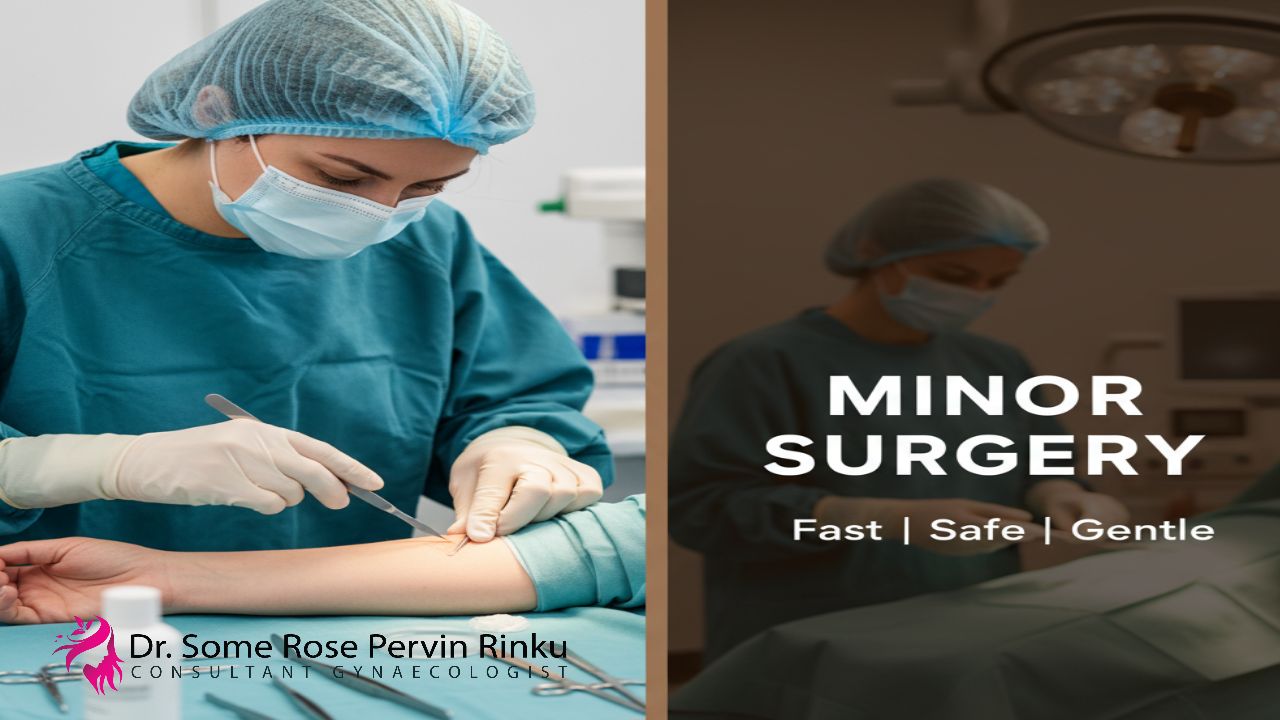
Did you know that millions of minor surgeries are performed in doctors’ offices and outpatient clinics across the country every year? These procedures are extremely routine, covering everything from skin tag removal to biopsies. Although the word “surgery” may seem scary, most minor surgeries are fast and low-risk, and require very little downtime.
Knowing what to expect will go a long way towards calming any nerves you may have. This guide will take you through what to know if you need minor surgery. We’ll discuss what it entails, how to get ready for it, what you can expect while undergoing the procedure and ways you can ensure an optimal recovery after surgery.
What is Minor Surgery?
An operation that is relatively superficial, or does not include a general anesthetic, stay in the hospital, etc. Many of these can be done in a doctor’s office, or outpatient clinic and take less than an hour to complete.
Minor procedures aren’t anything as major as they could be like if they were playing around with your organs and took weeks for you to recover. They typically need only a local anesthetic, which numbs just a small part of your body while you’re still fully awake.
Minor Surgery Examples Common types of procedures considered minor surgery include:
- Elimination of skin tags, moles, cysts or warts
- Skin biopsies to rule out specific conditions
- Draining an abscess
- Deep Cut or Laceration Suturing
- Ingrown toenail removal
- Insertion or removal of contraceptive implants
The goal of these procedures is to address a health problem with the least amount of inconvenience.
How to Prepare for Your Procedure
Relevant surgery planning is crucial for a favorable result, irrespective of the small operation. Although the process is much less involved than preparing for major surgery, it makes sure everything goes smoothly — and your risk of a complication is minimized.
Discuss Your Health History
Your would-be doctor will want to know your complete state of health. Be prepared to address any existing health conditions (including diabetes and heart disease) and be ready with a list of medications you’re taking. This goes for both prescription and over-the-counter medications, vitamins and herbal supplements. There are a few medications, such as blood thinners, that you may need to temporarily suspend prior to your procedure.
Follow Pre-Procedure Instructions
Your doctor will give you instructions before your appointment. This could involve fasting (not eating or drinking) for a few hours before your test, but that is less frequent with procedures done with just a local anesthetic. You may also be instructed not to drink alcohol or smoke, since they can impede healing.
Arrange for a Ride
You may feel fine, but it’s still a good idea to have someone come pick you up. You could be a little lightheaded or uncomfortable, depending on the procedure and your own reaction to it. Having a ride waiting eliminates any wisdom induced stress about getting home safely.
Dress for Comfort
You may even want to communicate to that effect the moment you set up your appointment; let them know that not only is this problem but you also have some formidable blockage. Pick items that will be easy to remove and slip back on, and won’t chafe at or irritate treated areas you may have post-surgery.
What to Expect During Minor Surgery
Understanding what happens step by step can make you feel more at ease on the day of your procedure. Most minor surgeries, although there are exceptions, have a routine pattern.
The Consent Form: The very first thing you’ll be asked to do is sign a consent form. You have read the procedure and been informed about any risk/benefit associated with this test. This is the perfect moment to pose any final questions.
Prepping the Site: A nurse or medical aide will wash the operation site with an antiseptic scrub to get rid of bacteria and guard against infection. If there is hair, it may be clipped or shaved.
Injecting the Local Anesthesia: Your surgeon will inject a local anesthetic in the skin of the area where he is supposed to make an incision. You may feel a small pinch and some stinging for a couple of seconds as the medicine goes in, but after that your ear will be completely numb. The doctor will also test the region to make sure you can’t feel anything sharp before they continue.
The Procedure: You will be numb when the doctor does the surgery. Because the area is numbed, you should not feel pain. You may feel pressure or pulling, but it should not hurt. The process is generally quite fast and can take as little as 15 minutes to 30 minutes.
Closing the Incision: The doctor will close the incision once the process is finished. This could be done with stitches (sutures), surgical glue and/or sterile adhesive strips. Lastly, a sterile dressing or bandage will be placed on the wound to cover it.
Your Guide to Post-Surgery Recovery
What you do after the procedure is as important, and a surgery itself. Your Post-Surgery Recovery Will Go More Smoothly If You Follow Your Doctor’s Instructions & Take Care of Yourself.
Keep the Area Clean and Dry
One of the greatest challenges of post-surgery recovery is guarding against infection. Your doctor will let you know how long to leave the initial bandage on, typically 24 to 48 hours. You’ll be told how to clean the wound and when it’s safe to get it wet. Do not soak the wound in a bath or pool until it is fully healed.
Manage Discomfort
You may have some discomfort or feel a burning sensation once the local anesthetic has worn off. Over-the-counter painkillers such as acetaminophen (Tylenol) or ibuprofen (Advil) typically ease the discomfort. What to take is. something that your doctor will let you know. If you have intense or worsening pain, contact your doctor’s office.
Watch for Signs of Infection
Signs of infection Although infections are uncommon, it’s important to recognise the warning signs. Call your doctor if you have:
- Redness, Swelling, or warmth around the injury getting worse
- Pus or foul-smelling drainage from the incision
- Fever or chills
- Pain that increases, not gradually dulls
Follow-Up Appointments
You may need a follow-up visit to have stitches removed or for your doctor to see how well you are healing. Make sure you follow up as scheduled. This is your chance to bring up any concerns and check in that your healing after surgery is right on target.
Ease Back into Activities
Many will immediately be able to go back to their regular daily activities. But your doctor might tell you to avoid strenuous activities like heavy lifting or some exercises for a time after the surgery to keep from putting a strain on the incision. Listen to your body and refrain from overdoing it off the bat.



