
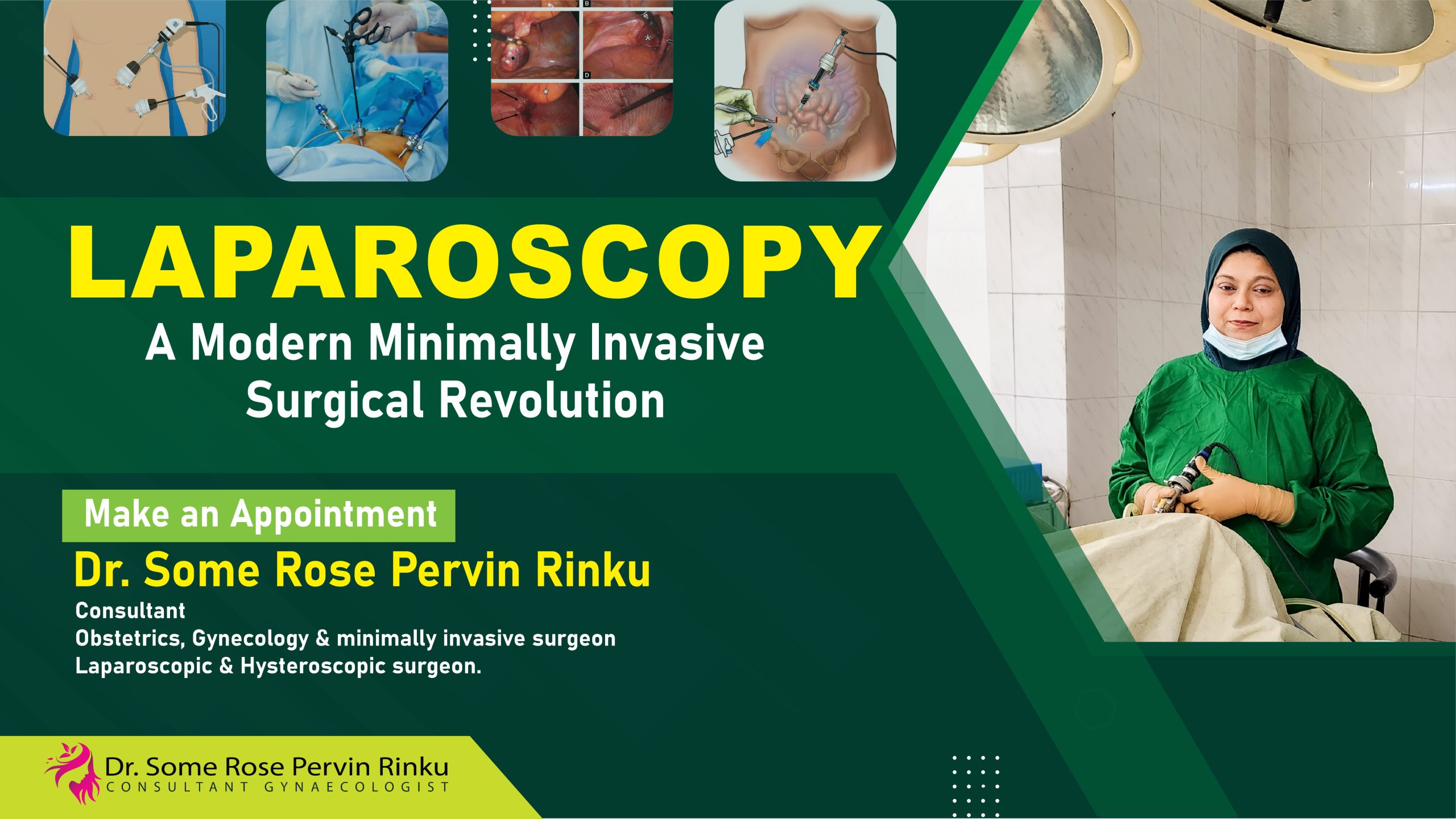
The practice of surgery has changed dramatically during the past 20 to 30 years. Whereas the treatment once involved long incisions, few days spent in hospital, and a significant recovery period, many of these can now be performed using tiny keyhole openings. The cutting-edge procedure is called laparoscopy, and it’s transforming the way surgeons work and patients recover.
Facing the prospect of surgery or just curious about new medical developments, you may want to learn more about laparoscopy. This complete how-to guide will tell you all you need to know about this truly revolutionary surgery, explaining how it works as well the amazing benefits and possible downsides.
We explore how this minimally invasive approach is changing the surgical landscape — and what it could mean for your health journey.
What is Laparoscopy?
Laparoscopy – also known as minimally invasive surgery or keyhole surgery – is a type of surgery in which a surgeon uses a laparoscope to examine the inside of your abdomen and pelvis through a small cut in your tummy. Unlike the old-fashioned technique, which could call for incisions several inches long, laparoscopic surgery is performed through several small incisions, generally about half an inch to three-quarters of an inch long.
The magic occurs through a narrow, lighted camera, known as a laparoscope, that gives surgeons a high-definition view of the surgical field on a monitor. When it is introduced into the body along with the small instruments, the camera allows for accurate completion of complex procedures.
The technique was originally developed in the early 20th century but was not widely adopted until the 1980s, when video technology improved sufficiently to offer clear, real-time images. Laparoscopy has since been established as the gold standard in the majority of surgical procedures.
How Does Laparoscopic Surgery Work?
Knowledge about the laparoscopic procedure can aid in demystify this step in advanced surgery. The technique is structured to be maximally safe and effective.
Pre-Surgical Preparation
General anesthesia is administered before the operation starts in order to make the patients completely comfortable during the whole operation. The patient is then set up by the surgical team and the surgical area is sterile according to established procedures.
Creating the Surgical Space
The surgeon makes a small cut, typically near the navel, and passes a slender tube through it — a trocar. Carbon dioxide gas is then pumped into the abdomen through this tube, creating space between organs and giving the surgeon sufficient working space to carry out the procedure safely. This gas is harmless and your body naturally absorbs it following your operation.
Inserting the Laparoscope
After adequate working space is established, the laparoscope is introduced through the first incision. This advanced camera sends high-definition images to monitors located in the operating room, allowing the surgical team to see inside the body.
Additional Access Points
For more complex procedures, the surgeon makes more small incisions to introduce special instruments. These instruments are developed specifically for laparoscopic surgery and enable accurate cutting, grasping and suturing.
Performing the Surgery
The surgeon sees the operative field through the laparoscope and manipulates the inserted instruments to perform the required procedure. The view under full zoom magnification and clear images from the camera usually leads to a more accurate procedure than open surgery.
Types of Laparoscopic Procedures
Laparoscopic surgery’s adaptability has enabled it to cross many medical disciplines. Below is a list of some of the most commonly performed procedures with the use of this technology:
Gynecological Procedures
Laparoscopy Advocates for Woman’s Health Laparoscopic surgery has greatly changed women’s healthcare with most surgeries no longer requiring the large incisions for removal of pathology. Common gynecological laparoscopic surgeries include:
- Hysterectomy (removal of the uterus)
- Removal of ovarian cysts
- Treatment of endometriosis
- Tubal ligation (permanent birth control)
- Ectopic pregnancy treatment
General Surgery
Many abdominal procedures now utilize laparoscopic techniques:
- Gallbladder removal (cholecystectomy)
- Appendectomy
- Hernia repair
- Colon surgery
- Gastric bypass and other weight-loss surgeries
Urological Procedures
Urologists increasingly rely on laparoscopic methods for:
- Kidney removal or partial kidney surgery
- Prostate surgery
- Bladder procedures
- Treatment of kidney stones
Benefits of Laparoscopic Surgery
The benefits of laparoscopy as compared to open procedures are impressive and well documented. These advantages have made it the method of choice for numerous surgical procedures.
Reduced Recovery Time
Probably the most important benefit has been the hugely shortened recovery time. Where traditional surgery might require days or weeks of recovery, most laparoscopic patients can be back to work in days, not weeks or even months.
Minimal Scarring
Because of the small incisions made during laparoscopic surgery, less scarring occurs than with more traditional, open surgeries. Especially in visible locations, this common cosmetic benefit is happy.
Less Pain and Discomfort
Less tissue trauma here means less pain after the procedure. Patients need less anesthetic, as well as less post-operative pain medication, and generally have a more comfortable recovery.
Lower Risk of Infection
The limited exposure of internal organs to outside contaminants greatly reduces surgical sit infections. Such a better safety profile might have the most significant impact in patients with impaired immune systems.
Shorter Hospital Stays
Most laparoscopic procedures can be done on an outpatient basis or may only require a short hospital stay. Patients also save on health expenses as they get recuperated in the familiar environment of their home.
Faster Return to Daily Activities
Less pain, smaller scars and faster recovery time allow patients to get back to work, exercise or any daily activity far sooner than with traditional surgery.
Potential Limitations and Considerations
Even if laparoscopic surgery has many benefits, we have to bear in mind that it is not for every scenario or patient.
Technical Limitations
Some procedures are not suitable for the laparoscopic approach, the ones that need a lot of tissue manipulation or reconstruction in particular. In these cases, classical open surgery still is the safer choice.
Surgeon Experience Requirements
Laparoscopic operations necessarily demand a special training and extensive expertise. The procedure is technically demanding and relies to a large extent on the surgeon’s endoscopic expertise.
Conversion to Open Surgery
There are times when problems or unanticipated findings encountered during a laparoscopic procedure mandate conversion to open surgery. That only seems to be the case with a small portion, but patients need to be aware that this is a possibility.
Limited Tactile Feedback
During laparoscopic surgery, surgeons do not have a sense of touch but a visual perception only. It can, however, sometimes complicate some procedures.
Preparing for Laparoscopic Surgery
The way you prepare will have a real effect on how your laparoscopy turns out and how you recover from it.
Pre-Operative Consultation
Your surgeon will need to access the details of your case to see if you could be a candidate for laparoscopic surgery. This involves a history review of your health and medications and any prior procedures.
Medical Clearance
Your surgeon will need to access the details of your case to see if you could be a candidate for laparoscopic surgery. This involves a history review of your health and medications and any prior procedures.
Pre-Surgery Instructions
Carefully follow all preoperative instructions, which may include instructions on eating and drinking, and the management of medications prior to surgery. These directives are intended to reduce risk and maximize success.
Recovery and Post-Operative Care
Knowing what to expect during recovery can help you anticipate and, potentially, head off any complications.
Immediate Post-Operative Period
The carbon dioxide gas used during surgery leaves most patients a little uncomfortable and can lead to shoulder pain as the gas is absorbed. This will usually resolve after 24-48 hours.
Activity Restrictions
Recovery is faster than with traditional surgery, but you will still require activity restrictions. Your surgeon will give you specific instructions and restrictions on lifting, exercising, and returning to work.
Follow-Up Care
Close follow up visits are important to check on your healing and to discuss any concerns. Be sure to call your medical team if you notice anything unusual or have questions about your recovery.
The Future of Minimally Invasive Surgery
Laparoscopic surgery continues to evolve with advancing technology. Robotic-assisted laparoscopy is becoming increasingly common, offering even greater precision and control. Single-incision laparoscopic surgery (SILS) is reducing the number of incisions needed for some procedures, and advances in imaging technology are providing surgeons with even better visualization.
These innovations promise to make minimally invasive surgery even more effective and accessible, potentially expanding the range of conditions that can be treated with these techniques.
Making the Right Choice for Your Health
Laparoscopic surgery represents one of the most significant advances in modern medicine, offering patients safer procedures with faster recovery times and better outcomes. However, the decision about which surgical approach is best for you should always be made in consultation with qualified healthcare professionals who can evaluate your specific situation.
If you are considering surgery and are curious if a laparoscopic option is available to you, you should not be afraid to ask your surgeon. When you know what your options are, you’re in a better position to make informed decisions about your health care, and that can result in better health outcomes and experiences.
Start by consulting with a knowledgeable surgeon who is trained in minimally invasive procedures. Your journey to health and happiness could be shorter and easier than you ever thought.



