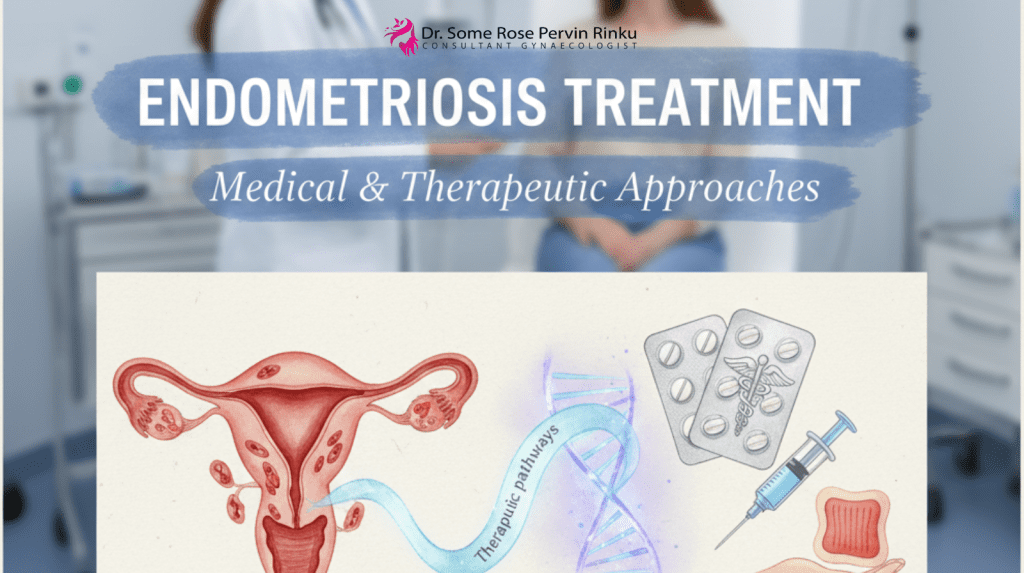
A Guide to Endometriosis Treatment Options
Living with endometriosis can be a challenging journey, marked by chronic pain and a range of disruptive symptoms. This condition, where tissue similar to the lining inside the uterus grows outside of it, affects roughly 1 in 10 women of reproductive age worldwide. The impact extends far beyond physical discomfort, often affecting mental health, relationships, and daily life.
Finding an effective endometriosis treatment plan is crucial for managing symptoms and improving quality of life. The path to relief is highly personal, as what works for one person may not work for another. Understanding the available options is the first step toward advocating for your health and finding a strategy that fits your unique needs.
This guide will walk you through the various approaches to managing endometriosis. We will cover everything from common symptoms and diagnosis to medical treatments, alternative therapies, and lifestyle adjustments. By the end, you will have a clearer understanding of the landscape of endometriosis care, empowering you to have more informed conversations with your healthcare provider.
Common Symptoms of Endometriosis
Endometriosis manifests differently in each person, but some symptoms are more common than others. Recognizing these signs is essential for seeking a timely diagnosis.
- Chronic Pelvic Pain: This is the most prevalent symptom. The pain can be constant or cyclical, often worsening during menstrual periods. It may also occur during ovulation, urination, or bowel movements.
- Heavy or Irregular Bleeding: Many individuals with endometriosis experience menorrhagia (prolonged or heavy menstrual bleeding) or bleeding between periods.
- Painful Periods (Dysmenorrhea): While some cramping during a period is normal, the pain associated with endometriosis is often severe and debilitating, and may not be relieved by over-the-counter pain medication.
- Pain During or After Sex: Known as dyspareunia, this pain can be deep and persistent, significantly impacting intimacy.
- Infertility: Endometriosis is a leading cause of infertility. The inflammation and scar tissue (adhesions) caused by the condition can obstruct fallopian tubes or interfere with egg implantation.
- Gastrointestinal Issues: Symptoms like bloating, diarrhea, constipation, and nausea are common, especially during menstruation. These are often mistaken for irritable bowel syndrome (IBS).
How is Endometriosis Diagnosed?
Diagnosing endometriosis can be a lengthy process because its symptoms overlap with many other conditions. A doctor will typically start with a thorough review of your medical history and a pelvic exam.
During a pelvic exam, your doctor may be able to feel cysts or scars behind the uterus. However, smaller areas of endometriosis are often not detectable this way. Imaging tests are frequently used to get a better look.
- Ultrasound: A standard transvaginal ultrasound can help identify large endometriotic cysts, often called “chocolate cysts,” on the ovaries.
- Magnetic Resonance Imaging (MRI): An MRI provides more detailed images of your pelvic organs and can help identify the location and size of endometrial implants.
While these imaging tests can suggest the presence of endometriosis, the only definitive way to diagnose the condition is through laparoscopic surgery. During this minimally invasive procedure, a surgeon makes a small incision in the abdomen to insert a camera (laparoscope) to look for endometrial tissue. If found, a small tissue sample (biopsy) may be taken for confirmation.
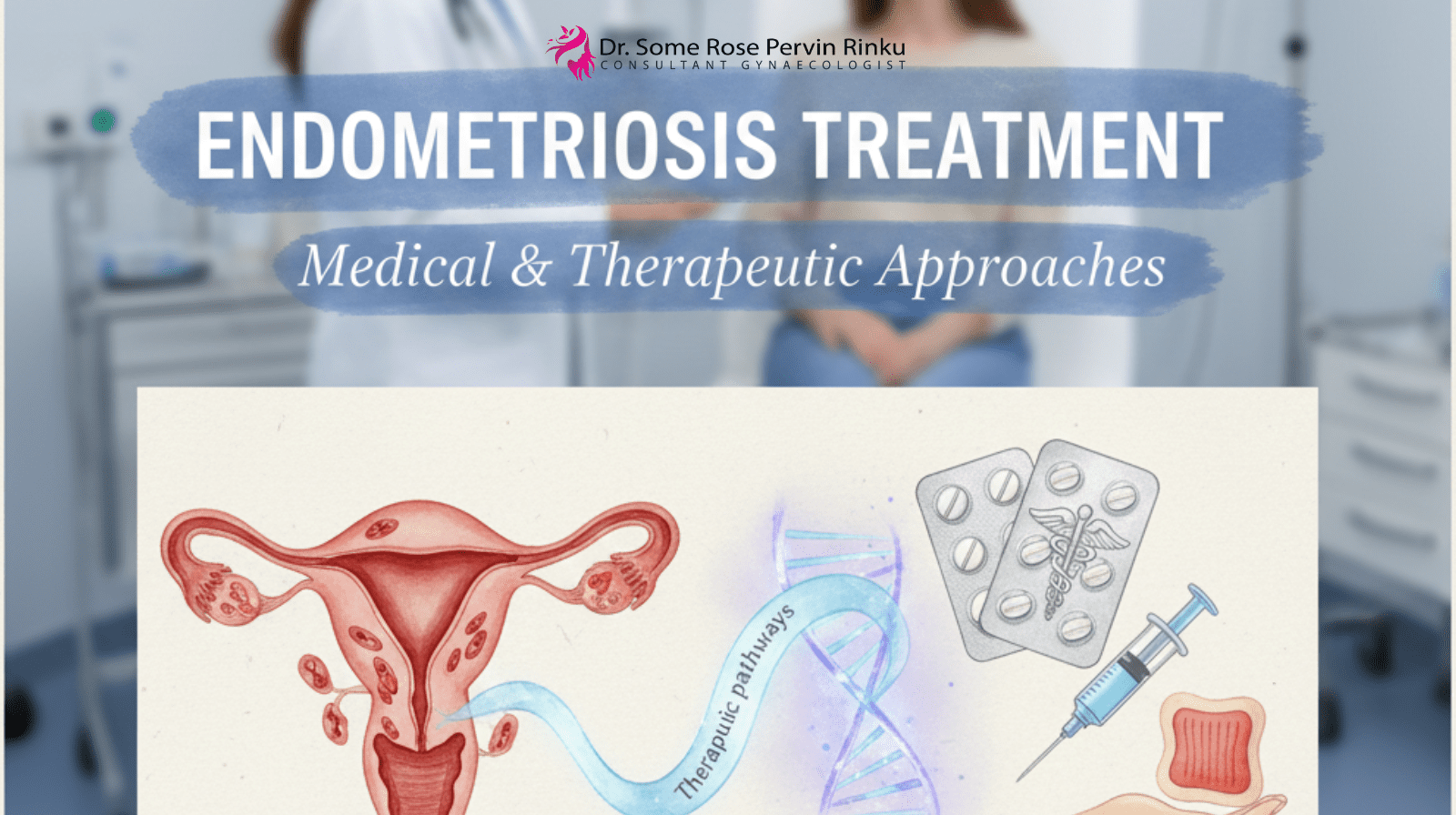
Medical Endometriosis Treatment Options
Once diagnosed, your treatment plan will depend on the severity of your symptoms, your reproductive goals, and your personal preferences. The primary goals are to manage pain and, if desired, address infertility.
Pain Management
For those with mild symptoms, pain relief might be the first line of defense.
- Over-the-Counter (OTC) Pain Relievers: Nonsteroidal anti-inflammatory drugs (NSAIDs) like ibuprofen (Advil, Motrin) or naproxen (Aleve) can help reduce inflammation and alleviate menstrual pain.
- Prescription Pain Relievers: If OTC medications aren’t effective, your doctor might prescribe stronger pain relievers.
Hormone Therapy
Hormone therapy aims to slow the growth of endometrial tissue and prevent new implants. This approach is not a permanent fix, and symptoms may return after stopping treatment.
- Hormonal Contraceptives: Birth control pills, patches, and vaginal rings can help control the hormones responsible for the monthly buildup of endometrial tissue. They often make periods lighter and less painful.
- Progestin Therapy: Continuous progestin-only treatments, such as an IUD (Mirena), contraceptive injection (Depo-Provera), or pill, can stop menstrual periods and the growth of endometrial lesions.
- GnRH Agonists and Antagonists: These medications create a temporary “medical menopause” by blocking the production of ovarian-stimulating hormones. This prevents menstruation and causes endometrial implants to shrink. Due to side effects like hot flashes and bone density loss, they are typically used for short periods.
Surgical Treatment
Surgery may be recommended for severe pain or if hormone therapy is ineffective.
- Laparoscopy: This is the same procedure used for diagnosis. During a treatment laparoscopy, the surgeon removes or destroys the endometrial growths (excision or ablation). This can provide significant pain relief, but the tissue may grow back over time.
- Hysterectomy: In the most severe cases, a hysterectomy (removal of the uterus) may be considered. Often, the ovaries are also removed (oophorectomy) to stop estrogen production, which fuels endometriosis growth. This is a major surgery and results in permanent infertility, so it’s usually considered a last resort for those who do not wish to become pregnant.
Exploring Alternative Therapies
Many people find relief by complementing medical treatments with alternative therapies. It’s important to discuss these options with your doctor before starting.
- Acupuncture: Some studies suggest that acupuncture can help reduce pelvic pain associated with endometriosis.
- Herbal Remedies: Certain herbs, like chasteberry or turmeric, are thought to have anti-inflammatory properties that may help with symptoms. However, scientific evidence is often limited, and you should consult a professional before use.
- Dietary Changes: An anti-inflammatory diet may help manage symptoms. This often involves reducing red meat, processed foods, caffeine, and alcohol while increasing intake of fruits, vegetables, and omega-3 fatty acids.
Lifestyle Adjustments for Symptom Management
Simple changes to your daily routine can also make a significant difference in managing endometriosis.
- Regular Exercise: Low-impact activities like walking, swimming, or yoga can help reduce pain, lower stress, and improve overall well-being.
- Stress Management: Chronic pain and stress are closely linked. Practices like meditation, deep-breathing exercises, and mindfulness can help you cope with the emotional and physical toll of the condition.
- Diet: Along with an anti-inflammatory diet, some people find relief by avoiding gluten and dairy. Keeping a food diary can help you identify potential trigger foods.
Taking the Next Step
Managing endometriosis is an ongoing process that requires a personalized, multi-faceted approach. From medical interventions like hormone therapy and surgery to lifestyle adjustments and alternative therapies, there are many avenues to explore.
The most important step is to work closely with a healthcare provider who listens to your concerns and is knowledgeable about endometriosis. Don’t hesitate to seek a second opinion or consult with a specialist. By staying informed and advocating for yourself, you can build a treatment plan that helps you regain control and live a fuller, more comfortable life.