
Understanding Fibroid Symptoms and Treatment
Uterine fibroids are incredibly common, affecting up to 80% of women by the age of 50. These non-cancerous growths develop in or on the uterus and vary widely in size, shape, and number. While many women with fibroids have no symptoms at all, others experience significant discomfort that can disrupt their daily lives.
Understanding the signs and symptoms of fibroids is the first step toward finding relief. This guide will walk you through everything you need to know, from common symptoms and their underlying causes to the latest diagnosis and treatment options. By learning more about this condition, you can make informed decisions about your health and work with your doctor to find the best path forward.
Common Symptoms of Fibroids
Because fibroids can differ so much in size and location, their symptoms can also vary. Some women might not even know they have them, while others face debilitating issues. The size of the fibroid doesn’t always correlate with the severity of the symptoms; even small fibroids can cause problems if they are located in a sensitive area.
Here are some of the most common symptoms associated with uterine fibroids.
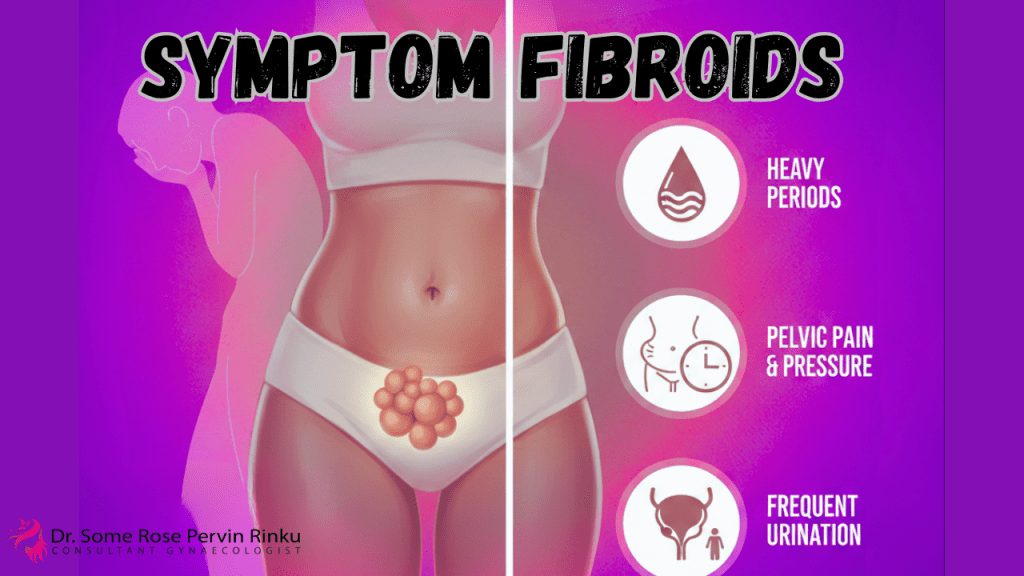
Heavy Menstrual Bleeding
One of the most frequently reported symptoms is menorrhagia, or abnormally heavy and prolonged menstrual bleeding. This can manifest as:
- Bleeding that lasts longer than a week.
- Needing to change tampons or pads every hour for several consecutive hours.
- Passing blood clots larger than the size of a quarter.
This level of blood loss can lead to anemia, a condition characterized by a lack of healthy red blood cells. Symptoms of anemia include fatigue, weakness, dizziness, and shortness of breath, which can further impact your quality of life.
Pelvic Pain and Pressure
As fibroids grow, they can put pressure on surrounding pelvic organs, leading to a feeling of fullness or discomfort in the lower abdomen. This pain can range from a dull, persistent ache to sharp, stabbing pains. For some, the pain is constant, while for others, it may only occur during their menstrual cycle or during sexual intercourse. Large fibroids can also cause the abdomen to swell, sometimes making a woman look pregnant.
Frequent Urination and Bladder Issues
If a fibroid presses against the bladder, it can reduce its capacity or block the flow of urine. This can lead to a frequent and urgent need to urinate, even during the night (nocturia). In some cases, women may have difficulty completely emptying their bladder, which can increase the risk of urinary tract infections.
Bowel Problems
Similarly, fibroids located on the back of the uterus can press against the rectum. This pressure can interfere with bowel movements, causing constipation and a persistent feeling of rectal fullness. Straining during bowel movements can also lead to hemorrhoids.
Backache or Leg Pains
Fibroids that grow on the back of the uterus can sometimes press on nerves that extend to the lower back and legs. This can result in a dull ache in the lower back or sciatica-like pain that radiates down one or both legs.
What Causes Fibroids?
The exact cause of uterine fibroids is still unknown, but research points to several factors that may influence their development.
- Hormones: Estrogen and progesterone, the two primary female hormones responsible for regulating the menstrual cycle, appear to promote the growth of fibroids. Fibroids contain more estrogen and progesterone receptors than normal uterine muscle cells, which may explain why they often shrink after menopause when hormone levels decline.
- Genetics: Fibroids often run in families. If your mother or sister had fibroids, you have a higher risk of developing them. Specific genetic variations have also been linked to an increased likelihood of fibroid growth.
- Age: Fibroids are most common in women during their reproductive years, typically between the ages of 30 and 50. They are less common in women under 20.
- Ethnicity: For reasons that are not yet fully understood, women of African descent are more likely to develop fibroids than women of other racial groups. They also tend to get them at a younger age and experience more severe symptoms.
- Lifestyle Factors: Some studies suggest that factors like obesity, a diet high in red meat, and low consumption of fruits and vegetables may increase the risk of fibroids.
How Are Fibroids Diagnosed?
If you’re experiencing symptoms, your doctor will likely start with a pelvic exam to check for any irregularities in the size or shape of your uterus. However, to confirm a diagnosis and determine the size and location of the fibroids, imaging tests are usually necessary.
- Ultrasound: This is the most common diagnostic tool. A transducer is placed on the abdomen or inside the vagina to create images of the uterus using sound waves.
- Magnetic Resonance Imaging (MRI): An MRI provides more detailed images than an ultrasound and can help your doctor determine the exact size, number, and location of the fibroids. It is often used to plan for surgical treatment.
Treatment and Management Options
Treatment for fibroids depends on the severity of your symptoms, your age, and whether you plan to have children in the future.
Medical Treatments
For mild symptoms, your doctor might recommend medications to manage them.
- Hormonal Medications: Birth control pills or progestin-releasing intrauterine devices (IUDs) can help control heavy bleeding and reduce pelvic pain.
- Gonadotropin-releasing hormone (GnRH) agonists: These medications block the production of estrogen and progesterone, putting you into a temporary menopausal state. This causes fibroids to shrink but is usually a short-term solution due to side effects.
Surgical Options
For more severe symptoms, surgery may be the best option.
- Myomectomy: This procedure removes the fibroids while leaving the uterus intact. It is the preferred option for women who want to preserve their fertility.
- Hysterectomy: This involves the complete removal of the uterus and is the only permanent cure for fibroids. It is a major surgery and ends a woman’s ability to become pregnant.
Lifestyle and Home Remedies
While lifestyle changes can’t eliminate fibroids, they may help manage symptoms.
- Diet: A balanced diet rich in fruits, vegetables, and whole grains may help manage weight and hormone levels.
- Exercise: Regular physical activity can help alleviate pain and reduce stress.
- Pain Relief: Over-the-counter pain relievers like ibuprofen can help manage pelvic pain and menstrual cramps.
When to See a Doctor
It’s important to remember that fibroids are common and often harmless. However, you shouldn’t have to live with disruptive symptoms. If you are experiencing heavy bleeding, severe pelvic pain, or other issues that affect your quality of life, it’s time to talk to a healthcare professional. They can provide an accurate diagnosis and help you explore the best treatment plan for your individual needs.
By taking proactive steps and seeking medical advice, you can effectively manage your symptoms and maintain your overall health and well-being.



