
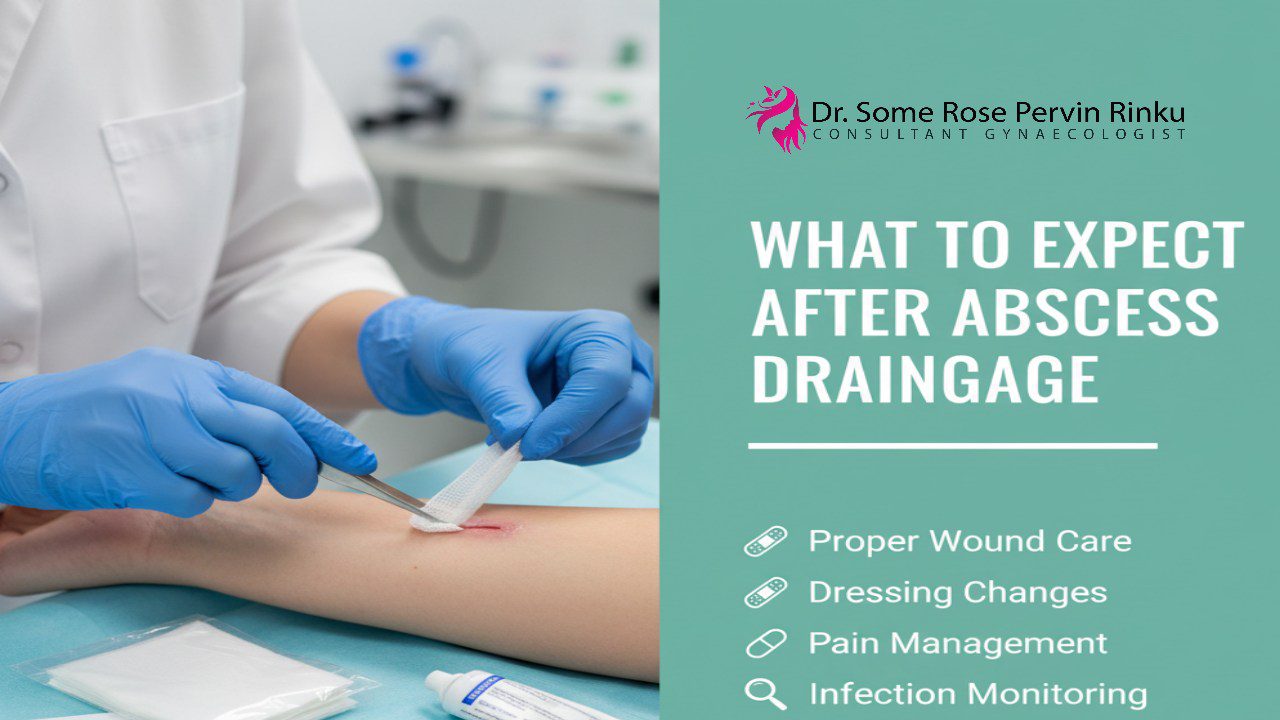
Draining an Abscess Draining an abscess can provide great removal of pain and discomfort. And although the operation itself may be relatively simple, knowing what to expect in recovery can make all of the difference for an uncomplicated postoperative experience. You may be wondering what to expect, how to take care of the wound and when you can return to your regular activities.
This manual will guide you through an abscess drainage recovery. We will discuss caring for your skin afterward, what normal recovery looks like, and signs that you need to see a doctor. By following these steps, you’re going to effectively heal without the extra risk of complications.
Understanding the Abscess Drainage Procedure
Before jumping into recovery, it may be helpful to learn what took place during your procedure. An abscess is a sore filled with pus (and bacteria). To address it, a doctor will make a little cut in order to drain this fluid. This procedure, called incision and drainage (I&D), allows the pressure to be released and the healing process begun.
If necessary, the provider will pack a sterile dressing or packing material into the cavity. This promotes the wound healing from inside out and prevents further formation of an abscess. You will be given instructions on taking care of such packing.
The First 24-48 Hours: Immediate Post-Drainage Care
The first 48 hours are the most important days of your recovery. Here is what you need to concentrate on in the days immediately following the treatment.
Pain Management
Some soreness and discomfort around the drainage site is expected. The initial severe discomfort of the abscess should have gone but the wound area will feel sore.
- Medication: Your doctor can offer pain medication, or suggest over-the-counter options such as ibuprofen or acetaminophen. Take these as directed.
- Rest: Raise the site of injury if you can while swelling and pain diminishes. Refrain from any activities that may place stress on the wound.
Wound Care Basics
Adequate attention of the drainage field is necessary for serial wound debridement and to avoid infection making subsequent healing less optimal. Your doctor will provide you with specific directions, but these are generally:
- Keep it Clean and Dry: Unless you are otherwise advised, the initial dressing is typically left dry for 24 hours.
- Observe Dressing Instructions: Instructions there will tell you when and how to change your dressing. In some cases, there is a gauze packing in the wound that might have to be taken out or changed.
- Hand Washing: Wash your hands with soap and water both before dressing changed as well as after.
The First Week: Healing After Abscess Treatment
You will start to notice healing as days go by. You should spend this time performing good wound care daily and track your healing progress.
Changing the Dressing and Packing
You are likely to clean the wound and change the pressure dressing as many times every day starting (in 24-48 hours).
- Removing Old Dressing: Taking Off the Old Dressing Gently pull back the old bandage and any packing. The packing may be a little stuck, so you can wet it with saline solution or water to help it come out more easily.
- Clean the Area: Clean the skin around the wound with mild soap and water. Do not attempt to scrub within the wound unless your doctor specifically tells you to. Dry the area with a fresh towel.
- Applying New Dressing: If your wound was packed, your provider will teach you how to repack it. This is critical so the cavity will fill in on its own from the bottom. Place a clean, dry bandage over the site.
What to Expect Visually
The look of the wound will evolve as it becomes better. At first you will have a small amount of bleeding or a clear or pink coloured discharge. This is normal. The inflammation and redness around your nipple should start to go down.
Taking Antibiotics
If your physician gave you antibiotics, it’s important to finish the full course of treatment even if you begin to feel better. This will guarantee there is no further infection and minimize the possibility of the abscess being recurrent.
Long-Term Abscess Drainage Recovery: Weeks 2 and Beyond
While most small abscesses heal on their own in one to two weeks, larger ones where the infection is deeper can last several weeks. You should begin to feel better during this part of your treatment.
How Do You Know the Abscess is Healing?
- Decrease in Drainage: The quantity of liquid flowing from the wound will decrease and eventually cease.
- Decreasing Pain: The location of pain will become less tender.
- New Tissue: While inside the wound cavity, you will see pink, new tissue growing. This is called granulation tissue, and it’s a good sign that the wound is healing.
Lifestyle and Activity
You can typically resume most of your normal activities as your pain subsides. However, continue to avoid activities that could strain or contaminate the healing wound. This includes:
- Swimming: Keep the wound completely closed before you go swimming in a pool, hot tub or lake to avoid infection.
- High-Impact Exercise: Wait for the all-clear from your doctor before getting back to vigorous sports or heavy lifting.
When to Seek Medical Attention: Signs of Complications
But while most people recover without a problem, it’s important to know the warning signs of possible complications. Get emergency medical help if you have signs of an allergic reaction: hives; difficulty breathing; swelling of your face, lips, tongue, or throat.
- Increasing Pain, Swelling, or Redness: If the area becomes exceedingly painful, or if redness starts to spread, it may be a sign that the infection is getting worse.
- Fever or Chills: These are systemic signs that the infection may be spreading. A temperature over 100.4°F (38°C) is a cause for concern.
- Pus Discharge: A small amount of drainage is normal; however, if the pus drainage continues, becomes thick or foul smelling or changes color to yellow green and has a bad odor then it could be another abscess that is forming.
- Too much bleeding: If the blood appears on the outside of the dressing.
- General Malaise: If you feel unwell and have nausea, vomiting.
Prompt medical attention is essential for treating these complications and getting your recovery back on track.
Your Path to a Full Recovery
Getting over abscess drainage is a task that demands patience and attentive attitude to the advice of your doctor. Managing pain, maintaining good wound hygiene and watching for signs of complications can help healing run smoothly.
You have to remember that the healing of each individual differs since it also depends on the size and location of your abscess. If you have any questions or are concerned, speak with your healthcare provider. The most critical factor in your care after drainage is your active participation.



