
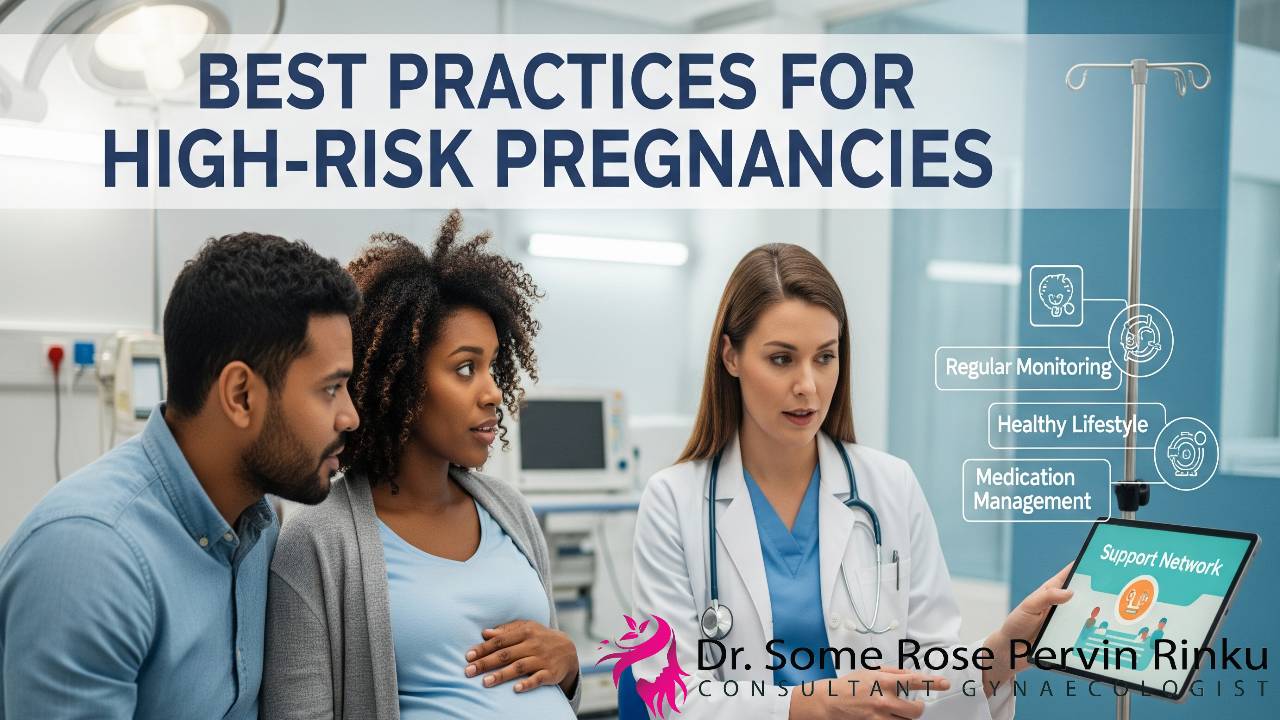
When you hear the phrase “high-risk pregnancy,” your heart may skip a beat. The word is scary, evoking thoughts of complications and unknowns. But take a deep breath. Though a high-risk pregnancy diagnosis can be intimidating, it is only a label your healthcare team uses to keep you and your baby in the best hands possible.
A pregnancy is considered high-risk when there may be complications
that can impact you, your baby or both during the pregnancy, labor or delivery. These risks may be related to your age, your existing health problems, pregnancy issues, or lifestyle. 6 – 8%According to a stats, target is to use facts that only 6 – 8% of pregnancies are considered high-risk, meaning you have company in your journey.
This article will guide you through important guidelines to manage a high-risk pregnancy. You’ll learn to manage your care with your healthcare team, make lifestyle changes, and take an active role in your health and your baby’s development. Remember, every year thousands of women with high-risk pregnancies have healthy pregnancies.
Understanding Your High-Risk Diagnosis
A high-risk pregnancy diagnosis can invoke a flurry of emotions. You may be scared, uncertain, or angry. These reactions are completely normal. The trick is knowing what this diagnosis means for you personally.
There are several reasons why a pregnancy may be high risk. Maternal age is also an issue – women under 17 or over 35 have greater risk. If you’re over 40, you’re considered high-risk regardless, just because the odds of chromosomal anomalies and pregnancy complications are greater.
Underlying health conditions are another category of risk factors
Diabetes, high blood pressure, heart disease, kidney problems, autoimmune diseases and mental health conditions all need to be watched closely during pregnancy. These conditions won’t necessarily keep you from having a healthy pregnancy, but they do require special management.
There are also pregnancy-related factors that can cause a high-risk designation. If you’re carrying multiple babies (twins, triplets, or more), have a history of pregnancy loss, preterm labor, or have had a baby with a birth defect in a previous pregnancy, your risk level is bumped up. Problems with your cervix, uterus or placenta also may cause spotting.
Open, candid communication with your doctor is critical after receiving this diagnosis. Don’t leave the meeting wondering. Prepare in advance: Which risks are specifically pertinent to your situation? How will the risks be monitored? What are the symptoms? What changes to your lifestyle will you have to make?
When you understand your diagnosis you can become actively involved in your treatment. And knowledge is a powerful thing—by educating yourself about the facts of pregnancy, you can alleviate anxiety and make better-informed decisions along your pregnancy path.
The Cornerstone: Specialized Prenatal Care
The basis of a successful high-risk pregnancy is excellent prenatal care. Your pregnancy will be more complicated than a standard pregnancy, but the additional monitoring and care dramatically improve the prognosis for yourself and your baby.
You may find that you see your provider more often — every two weeks or perhaps even weekly, depending on your particular risks. These aren’t just routine check-ups. With every appointment, your care team can keep a close eye on your condition and catch any possible issues before they get bad.
Your prenatal care team may extend beyond your primary obstetrician. She might refer you to a maternal-fetal medicine specialist (perinatologist), a doctor who’s specially trained in high-risk pregnancies. You may also see endocrinologists, cardiologists or other specialists depending on your condition. This team-based method to care means all of your health is covered by an expert.
Prepare for further planned surveillance across your pregnancy
You will probably continue to have ultrasounds to monitor your baby’s growth and development. Fetal monitoring of the heart rate may be performed as a matter of course. Certain conditions may necessitate specialized tests such as amniocentesis or chorionic villus sampling to test for genetic abnormalities.
Gradually, blood pressure monitoring becomes even more important, particularly if you have hypertension or preeclampsia develops. You may be asked to check your blood pressure at home and keep track of the readings to share with your health care team. You’re more likely to have blood tests to monitor different markers and to make sure that the medications you are taking are working well.
Don’t skip any of your scheduled appointments, even if you feel good. It’s not just about problems, these visits are about prevention. Your care team can make alterations in treatments, alter recommendations, and can intervene on concerns before they worsen. And, reschedule right away instead of doing it later (and perhaps not at all).
Nutrition and Lifestyle: Fuelling a Healthy Pregnancy
Good nutrition is even more important during a high-risk pregnancy. Your system is now providing for two, and your body is consuming more energy to help you and your growing baby, Your body needs to naturally develop and protect your baby in utero.
Emphasize nutrient-dense foods instead of calories from empty foods. Your diet should be rich in fruits, vegetables, whole grains, lean proteins and healthy fats. Folic acid protects against neural tube defects, so get your daily 400-800 micrograms from supplements and folate-rich foods such as leafy greens, citrus fruits and fortified cereals.
Iron requirements surge during pregnancy to help support your increased blood volume and developing baby. Add foods that are high in iron, such as lean red meat, poultry, fish, dried beans and iron-fortified cereals. Combine them with vitamin C–containing foods for better absorption.
Your baby needs plan to build its bones, and it also helps keep your bones strong. The goal: 1,000 milligrams a day from dairy foods, leafy greens, sardines and foods fortified with calcium. Don’t neglect protein – you should aim for 75-100 grams a day to help your baby grow and develop.
Some conditions at high risk require dietary adaptations
If you do develop gestational diabetes, you will have to start keeping track of carb intake and following a diet to help keep blood sugar stable. That means regular, balanced meals, not foods high in sugar. If you have preeclampsia, you may also be advised to limit your sodium intake to better control blood pressure.
You will still need to exercise, but you will have to adjust your workout routine. No more high-impact aerobics, or contact sports. Instead, stick to low-impact exercises such as walking, swimming (if you have no contraindications from your doctor) or prenatal yoga. Exercise stimulates circulation, alleviates stress, and can contribute to preventing too much weight gain.
Seek your doctor’s approval before beginning, or continuing, any type of exercise program. Bed rest or limits on activity may be needed for some conditions. Your health care provider will give you specifics for your condition.
Steering clear of the poisons is even more crucial during a high risk pregnancy. Alcohol, tobacco, and drugs of abuse offer direct threats to the fetal development and to existing adverse conditions. If you’re having trouble with substance use, ask your doctor about resources and support programs.
Managing Pre-Existing and New Health Conditions
Treating illness during pregnancy is a delicate balancing act. Your body is transforming, and this can change how conditions and drugs work. Close monitoring — and sometimes medication adjustments — becomes necessary.
If you have diabetes, pregnancy can be a blood sugar roller coaster. Pregnancy hormones can also lead to insulin resistance, which may mean having to increase your diabetes medicine or insulin. You’ll likely need to keep closer tabs on your blood sugar levels, and may have to adjust your diet and perhaps take more medication. Unregulated diabetes raises the prospects of birth defects, preterm births, and other complications.
Her high blood pressure was problematic in its own right. Some medications for high blood pressure aren’t safe during pregnancy, so your provider may have to switch you to safe options for pregnancy. Regular checks are deemed crucial, as high blood pressure can cause preeclampsia, a dangerous condition that can affect both the mother and the baby.
Thyroid disorders:
Treatment during pregnancy Thyroid problems can be managed during pregnancy. Both an overactive or underactive thyroid can impact fetal growth if they are not managed. You will require more frequent blood tests to ensure that your levels of thyroid hormone stay in the normal range for pregnancy.
Autoimmune diseases such as lupus or rheumatoid arthritis can go haywire during pregnancy. Some women’s symptoms improve, while others’ symptoms get worse. Your rheumatologist and obstetrician will collaborate to treat the condition in a way that also protects your baby.
Bilateral symmetrical involvement of the brachial plexus occurs in pregnancy-specific conditions for which early recognition is indicated. Gestational diabetes affects 6-9 percent of pregnancies and necessitates careful management of blood sugar through diet, exercise and occasionally medication. Regular monitoring can help avoid complications such as fetal overgrowth or premature delivery.
Preeclampsia is a serious disorder that includes high blood pressure and protein in the urine. Symptoms of preeclampsia include severe headaches, vision changes, pain in the upper abdomen and sudden weight gain or swelling. If you have these symptoms, call your doctor right away. The diagnosis and treatment of postradiotherapy soft tissue necrosis is critical in order to prevent severe complications.
Don’t ever quit taking medications that were prescribed to you without talking to your doctor. Some medications are critical for your health, and ceasing them could put you at greater risk than continuing them during pregnancy. Your physician can help you find the safest treatment for you.
Prioritizing Your Mental and Emotional Well-being
Diagnosis of high-risk pregnancy can evoke an emotional rollercoaster. There might be a great deal of anxiety, fear and guilt, stress. These aren’t feelings that make you weak — they make you human. But it’s important to learn to control them for your health and the development of your baby.
Prolonged stress in pregnancy can harm a developing fetus and even raise the risk of premature labor and low birth weight. It can also exacerbate pre-existing health conditions and make it more difficult to adhere to your treatment plan. So being aware of stress, and establishing healthy ways to cope with it, is important.
Use the stress-reduction strategies that work for you. Deep-breathing exercises, which can take place anywhere, also engage your body’s relaxation response. Progressive muscle relaxation is a technique that focuses on tensing and then relaxing muscle groups throughout the body to help relax both the body and the mind.
Mindfulness and meditation can help you stay in the present and not fret about problems to come, experts said. Even just five minutes of daily meditation can make a difference in how stressed you feel. Many apps provide guided meditations tailored specifically to pregnancy.
Here, doctor-approved, gentle activities like prenatal yoga that can deliver both physical and mental benefits. Yoga involves movements as well as exercises in breathing and relaxation. But, as always, consult with your healthcare provider before beginning any new exercise program.
Journaling provides a space for your thoughts and feelings. Write about your fears, hopes and experiences. The process can help you work through complicated emotions and recognize patterns of thinking that might merit attention.
Do not belittle the importance of a support network. Communicate your emotions to your spouse, family, or friends. Sometimes voicing your worries can effectively take their power away from you. If people in your life simply don’t get what you’re experiencing, join a group for women with high-risk pregnancies.
This is where specialist mental health help can prove invaluable. A maternal mental health therapist gets the high-risk pregnancy struggle. They can offer coping mechanisms and help you process tough emotions, and be there for you during your pregnancy journey.
Online support groups put you on the line with other women who can commiserate first-hand. These communities can provide helpful advice, emotional support and the comfort of knowing that you’re not alone. Most hospitals and organizations have in-person and virtual support groups.
Consider that tending to your mental health is not selfish; it is vital. The healthier, less stressed mother provides a better environment for fetal growth. Taking care of your emotional health is one of the best things you can for your baby.
How to Prepare for Labor, Delivery, and Your New Baby
Labor and delivery planning is different when it comes to a high-risk pregnancy. While you can still have preferences and hopes for your birth, flexibility is key. Your medical team will collaborate with you to develop the safest delivery approach for you.
You will be behind schedule on delivery. There are certain high-risk conditions that call for delivery before your due date to prevent complications. That’s not to suggest this is an emergency — many scheduled early deliveries go off without a hitch, when it is a planned, routine procedure that ensures the optimal outcome for mother and baby.
The probability for interventions during labor and birth is higher in case of high-risk pregnancies. You may need to have continuous monitoring of the baby’s heart rate during labor. An epidural may be advised as an aid to managing the pregnant woman’s blood pressure, not just for pain relief. Forceps or vacuum extraction may be required for assisted delivery.
Caesarean section is more common in high risk pregnancy. Although vaginal delivery is attempted whenever it can be done safely, in certain situations it is safer to perform a C-section. Speak to your health care provider about your odds of needing a C-section, and know the situations where it is possible this may be the case.
Write up a birth plan, but be willing to go with the flow. List your preferences for pain management, whom you’d like to be with you when you deliver and any special requests. But be prepared to adjust if there are changes to medical conditions. First and foremost your goal is the healthy delivery of your baby and the best possible outcome for you and your recovery, your recovery will take a while and then you will be a mom your whole life.
Your postpartum care is probably going to be more intense than if you have a normal pregnancy. In some cases, such monitoring must be continued after the child is born. If you had gestational diabetes, you will need glucose testing to confirm that your blood sugar has returned to normal. Elevated blood pressure could continue following delivery and need to be treated.
Your high-risk status may affect breastfeeding. Some drugs are not safe to take while breastfeeding, while others are completely safe. Collaborate with your doctor or professional lactation consultant to create a feeding plan best suited for you.
Recovery may be even longer after a high-risk pregnancy, especially if you had complications or a C-section. Don’t rush to return to normal activities. Your body has had enough, rest and relaxation is crucial for maintenance of your long-term health.
Render a plan of a support system to help you in the postpartum period before your baby is born. Arrange help with chores, cooking and with watching other children. This kind of support enables you to recover and bond with your new baby.
Preparing for Labor, Delivery, and Beyond
Labor and delivery planning looks different for a high-risk pregnancy. While you can still have preferences and hopes for your birth experience, flexibility becomes crucial. Your healthcare team will work with you to create the safest delivery plan possible.
Your delivery might happen earlier than planned. Some high-risk conditions require delivery before your due date to prevent complications. This doesn’t necessarily mean an emergency situation – many planned early deliveries are scheduled routine procedures designed to optimize outcomes for both mother and baby.
The likelihood of interventions during labor and delivery increases with high-risk pregnancies. You might need continuous fetal monitoring to watch your baby’s heart rate throughout labor. An epidural might be recommended not just for pain relief but to help manage blood pressure. Assisted delivery using forceps or vacuum extraction might become necessary.
Cesarean delivery rates are higher among high-risk pregnancies. While vaginal delivery remains the goal when safe, some conditions make C-section the safer choice. Discuss the likelihood of needing a C-section with your healthcare provider and understand the circumstances that might lead to this decision.
Create a birth plan, but keep it flexible. Include your preferences for pain management, who you want present during delivery, and any special requests. However, be prepared to adapt if medical circumstances change. The most important outcome is the safe delivery of your baby and your own health and recovery.
Your postpartum care will likely be more intensive than after a typical pregnancy. Some conditions require continued monitoring after delivery. If you had gestational diabetes, you’ll need glucose testing to ensure your blood sugar levels return to normal. High blood pressure might persist after delivery and require ongoing treatment.
Breastfeeding might be affected by your high-risk status. Some medications aren’t compatible with breastfeeding, while others are perfectly safe. Work with your healthcare provider and a lactation consultant to develop a feeding plan that works for your specific situation.
Recovery might take longer after a high-risk pregnancy, especially if you experienced complications or had a C-section. Don’t rush back to normal activities. Your body has been through a lot, and adequate recovery time is essential for your long-term health.
Plan your support system for the postpartum period before your baby arrives. Line up help with household tasks, meal preparation, and childcare for other children. This support allows you to focus on recovery and bonding with your new baby.
You Are Your Own Best Advocate
High-risk pregnancy management is a team sport, and the most critical team member is you. But as much as you have those covering your care who are the expert in medical care, you also remain your own best and most important advocate in your pregnancy and care for your baby.
So let’s be honest, a healthy high-risk pregnancy includes specialized prenatal care that helps lay the health foundation for you and your baby, a lifestyle and nutrition to support your body’s needs, faithful disease management to help avoid complications, as well as paying careful attention to mental health and attitude.
Follow what your gut tells you in this process. If something feels wrong, say something. You know your body better than anybody. No question or concern is too small to reach out to your health care provider about. Far better to be cautious about something that turns out fine than to ignore potentially indicative signs.
Stay informed about what is happening in your condition, but be discriminating about your sources. If you’re in need of more information, stick with trustworthy medical websites and information from your care team. Don’t get lost in internet forums that could escalate your concerns with worst-case scenarios irrelevant to your situation.
And keep in mind, every high-risk pregnancy is unique. Your friend’s experience may be totally different from yours, and that’s O.K. Keep focused on your own path and have faith in the unique care plan your healthcare providers have put together for you.
Take a step forward by booking a candid conversation with your doctor to discuss your own care plan. Don’t leave any questions unanswered. Inquire about symptoms you should watch for, changes you need to make to your life and products that’s available to keep you safe throughout your pregnancy.
Find out more about maternal health from reputable organizations such as the American College of Obstetricians and Gynecologists and the March of Dimes or your hospital’s maternal health initiatives. Education means making choices with clarity and feeling more confident during your journey of pregnancy.
You are strong enough to get through this high-risk pregnancy. And with good medical care, lifestyle changes, and emotional support, you can look forward to holding a healthy baby in your arms. Trust yourself, trust your healthcare professionals, trust your body’s capacity to accommodate and make a baby.



