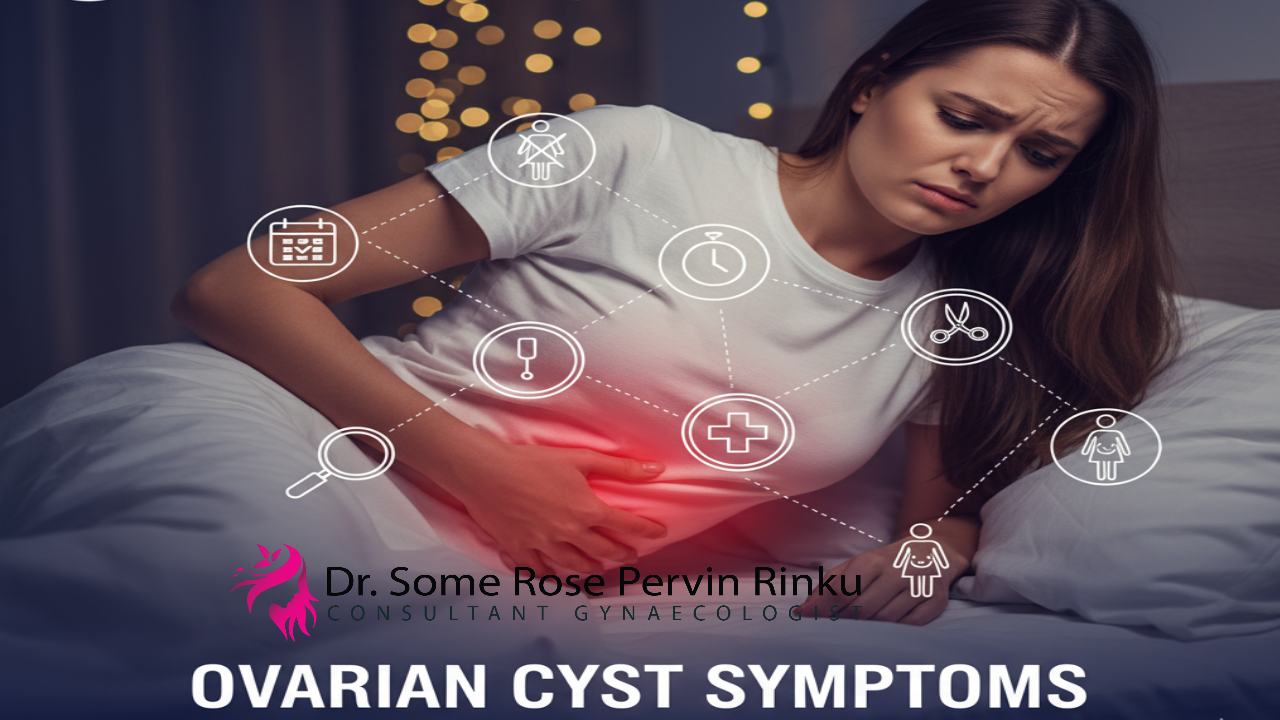
It doesn’t take a rocket scientist to know when something is off in your body. Pelvic pain: A common, although perhaps unusually vague, sign for many women. Though it’s easy to think of bloating or a dull ache as something you should just take in stride with your period, these symptoms can sometimes signal an underlying problem like an ovarian cyst. Knowing what to look for is the first step toward advocating for your health.
Ovarian Cysts are sacks of fluid that form on, or inside an ovary. They are more common than you might think, and in most cases, they’re harmless and go away on their own without treatment. A few cysts can be painful and may cause serious problems. This article will show you seven ovarian cyst symptoms that are worth being aware of, so you’ll know what to look for and when to speak with a doctor.
What Are Ovarian Cysts?
But before you jump to any conclusions, it’s worth paying attention to what exactly is an ovarian cyst. Your ovaries are part of the female reproductive system, and you make eggs in your ovaries, along with hormones like estrogen and progesterone. Small cysts known as follicles grow on your ovaries every month. Typically, only one follicle releases an egg; the rest dissolve.
Occasionally, this process doesn’t work as it should. The egg might not be released from a follicle as it grows and instead the follicle itself grows, resulting in a follicular cyst. Or the sac might not disappear after releasing an egg, but rather fill with fluid to form a corpus luteum cyst. These are called functional cysts and are the most common. They are clearly linked to your menstrual cycle and are almost always benign.
Different kinds of cysts (dermoid, cystadenomas, endometriomas) are LESS frequent and not related to the menstrual cycle. Although most are benign, you’ll still want to see a doctor about persistent symptoms.
Seven Key Ovarian Cyst Symptoms
If a cyst becomes too large, it can burst open, or twist the ovary, which may result in symptoms. Here are seven indicators to look out for.
1. Pelvic Pain or A Dull Ache
One of the most typical symptoms of an ovarian cyst – no matter whether it is benign or malignant – is a dull, throbbing pain on one side of your lower abdomen in the area where the cyst forms. It is known as chronic or occasional pain. You may experience a dull, heavy ache or sudden, severe sharp pain. You might find that the pain gets worse when you’re on your period, after vigorous exercise, or during sex. This pain occurs when a cyst has grown so large that it presses on other surrounding tissue or twists the ovary (a complication called ovarian torsion) which is a medical emergency.
2. Persistent Bloating or Abdominal Swelling
Bloating is extremely common, especially around your period. But bloating that doesn’t disappear or is associated with feeling full or a pressure in your lower abdomen may be an indicator of an ovarian cyst. And as a cyst continues to grow, it may consume all the space in your pelvis, making your belly feel more and more full or swollen, not unlike how you might feel after eating a big meal. If you find your clothes fitting tighter around the waist and you have not gained a significant amount of weight, it’s worth exploring.
3. Pain During Sex (Dyspareunia)
Dyspareunia, or pain during sexual intercourse, can also be a sign. A big cyst can get pushed on or pressed during sex, causing deep pelvic pain. It might feel different in one position than another. Although many factors can cause painful sex, if it’s a new or changing symptom for you, an ovarian cyst might be to blame.
4. Changes in Your Menstrual Cycle
Ovarian cysts can also sometimes disrupt the hormones that control your menstrual cycle. This may result in a number of variations such as:
- Irregular periods
- Bleeding that is heavier or lighter than normal
- Spotting between periods
However, sporadic uneven cycles are very common for most women but regular unexplained changes should be checked with a healthcare professional. Making note of your flow on a simple log can help you and your doctor identify patterns that don’t seem right.
5. Frequent Urination or Difficulty Emptying Your Bladder
Your bladder is near your ovaries. If one of these cysts grows large enough, it can put pressure on your bladder and cause you to need to urinate more often and urgently. You may feel like you need to go all the time, even if your bladder is not full. This pressure can also, in some cases, make it harder to fully empty your bladder — and that can lead to urinary tract infections (UTIs).
6. A Feeling of Fullness or Pressure
Even if you aren’t bloated, a large ovarian cyst can make you feel like your solids are in constant pressure or it’s harder to get solid waste out than normal. They press on surrounding organs and tissues, which contributes to your symptoms. Many women say it feels like a dull, heavy heartache that won’t end.
7. Nausea or Vomiting
You may also have nausea or vomiting in some cases, especially if the cyst is large or if it causes your ovary to twist (a condition called ovarian torsion). Ovarian torsion damage: The blood flow to the ovary is blocked in a medical emergency which causes abrupt catastrophic pain and sometimes nausea. If you have this type of cluster of symptoms, immediately seek medical attention.
When to See a Doctor
The vast majority of ovarian cysts are benign and naturally go away on their own. But that doesn’t mean you should overlook symptoms if they persist or are extreme. You should make an appointment with your gynecologist or doctor if you:
- Have ongoing pain in the abdomen or pelvis.
- Pay attention to abnormalities in your menstrual.
- Experience pain during sex or urination.
Seek immediate medical help if you experience:
- Sudden, severe abdominal or pelvic pain.
- Pain combined with fever, vomiting or dizziness.
- If someone shows any signs of shock, such as clammy or cold skin, or fast breathing.
These can be symptoms of a ruptured cyst or ovarian torsion, conditions that necessitate immediate care.
Conclusion: Listen to Your Body
Women’s health is a complicated road, but the more you know, the more power you have. Knowing warning signs of ovarian cysts can help you monitor this possibility for yourself, and advocate for your body. And while pelvic pain and bloating are both normal sensations, if these symptoms don’t go away or get worse, they may be your body’s way of asking for help.
If any of the things described in this article apply to you, make an appointment with a medical professional. A basic pelvic exam and ultrasound can often offer clear answers and peace of mind. You can never go wrong by putting your health first and asking for advice when you need it.