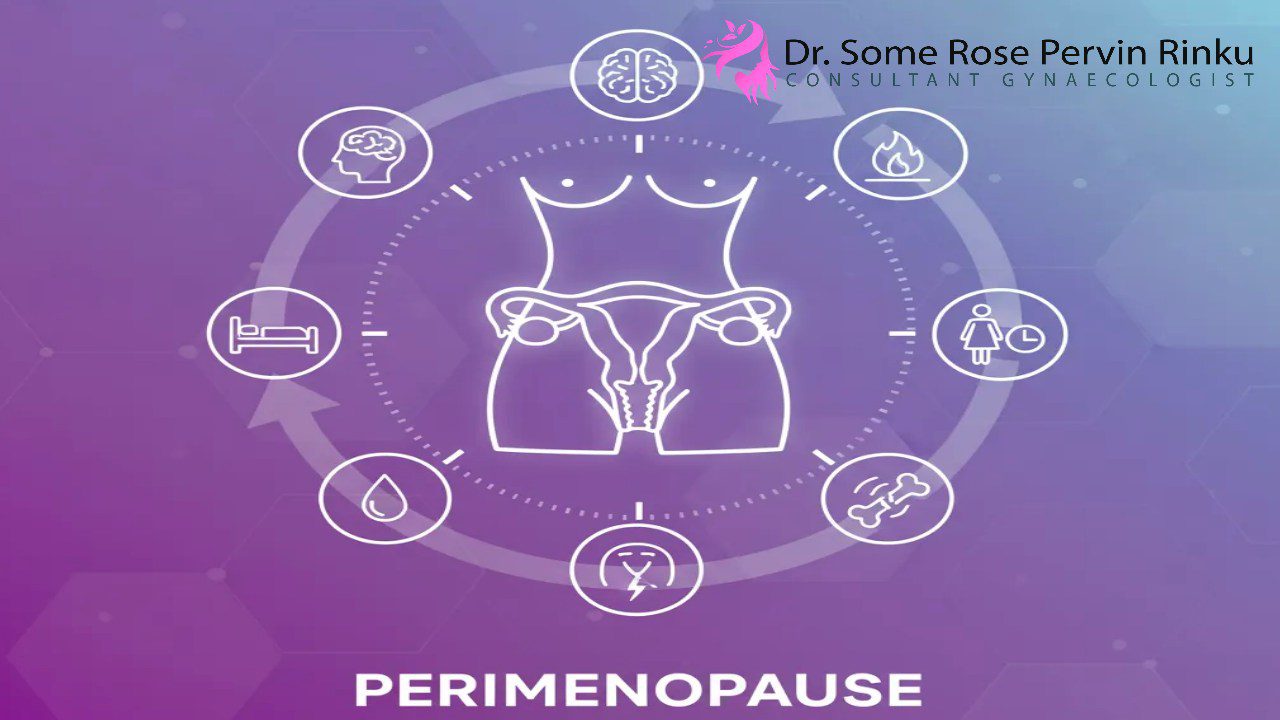
While “menopause” is relatively common, perimenopause-the period leading up to it-is a part frequently kept in the shadows, forcing many people to navigate it with uncertainty and questions. This biological life phase can come with a lot of changes, though it’s important to understand them as the first step toward dealing with them assuredly. This guide is here to clear up the mystery of this transition, providing a straightforward, no-nonsense account of what you can expect and exactly how to feel your best. You are going to find out what perimenopause is, how to recognize some of the following common perimenopause symptoms and get simple tips you can start using today to control your own personal perimenopause battle.
What is Perimenopause?
Perimenopause, (also called the menopausal transition) means “around menopause,” and it’s the time when your body begins its natural move toward menopause — i.e. when you stop getting your period for good. Your ovaries also start to make less estrogen at this time. In fact, it is this hormonal variation that’s at the heart of what a lot of us feel.
This stage usually begins in a woman’s 40s, though for some it can start in the mid-30s. It’s important to distinguish it from menopause itself. Perimenopause is the path, while menopause is the destination. Menopause is clinically defined as the end of menstrual bleeding and is considered official after 12 months without a period. The duration of the perimenopausal transition is different for everyone and can last anywhere from a couple of years to as long as a decade (10 years).
Common Perimenopause Symptoms
Perimenopause is unique to each woman, but there are many shared symptoms. These fluctuations are due to changing levels of hormones, particularly estrogen, and can be classified as physical and emotional changes.
Physical Symptoms
The decrease of estrogen can cause a number of changes you can see and feel. These are a few of the most typical signs:
- Irregular Periods: This is frequently the first indication. Your cycles may get longer or shorter, you could have heavier or lighter flows — or start missing periods overall.
- Hot Flashes: A sudden feeling of heat that rushes to the face and upper body, and may be accompanied by sweating.
- Night Sweats: These are just hot flashes that happen at nighttime; sweating it out in the sheets, unable to get rest.
- Sleep Disturbances: In addition to night sweats, you might become more anxious and find it increasingly difficult to fall asleep or stay asleep. That’s one of the most frequent complaints affecting energy and mood..
- Vaginal Dryness: Reduced estrogen can result in decreased moisture and thinning of vaginal tissues, along with dryness that may cause discomfort, itching or pain during sexual activity.
Emotional and Cognitive Changes
It’s not just the body that hormones mess with — they can play a major role in how you feel and think, too. These are frequently among the most difficult perimenopause symptoms to experience.
- Mood Swings: You could find yourself becoming more grumpy, anxious or feel particularly moody for no reason at all. These emotional swings can seem erratic and maddening.
- Brain Fog: It is common for people with LD to experience “brain fog.” Symptoms include sometimes not being able to concentrate, a blankness in thought, and short-term loss of memory. It becomes easier and more common to forget a person’s name, or why he is going into the next room.
- Increased Anxiety: A general sense of unease or worries can come about or worsen now which is due to hormones affecting the chemical balance in their brains.
How to Manage Perimenopause
It’s one thing to recognize the signs, but managing perimenopause is what really puts you in control. It’s not something to just bear, though: There are many strategies that can effectively help you feel more in control and keep the quality of your life as high as possible.
Lifestyle Adjustments
Small adjustments in your habits can significantly impact on the control over symptoms.
- Diet: A predominantly whole foods, balanced diet is the key. Eating foods with plant-based types of estrogen, such as soy, chickpeas and flaxseeds, may help alleviate some hormonal symptoms. It is also important to get adequate calcium and vitamin D for bones, which may lose some density during this period.
- Exercise: Indicators of mental health in the psychoeducational assessment Possible options diverge on this issue, some advocating for a fitness routine to be part of one’s arsenal. A combination of lower-impact exercise (such as brisk walking or swimming) , strength training, and flexibility work will help you manage weight, increase your mood, sleep better, and protect against loss of bone.
- Stress Management: High level of stress can elevate the symptoms of perimenopause. Strategies such as mindfulness, meditation, yoga and deep-breathing exercises can settle your nervous system and make you feel more balanced.
Medical Treatments
Lifestyle changes may not be enough to cope with moderate or severe symptoms for some. Fortunately, some medical treatments can help.
- Hormone Replacement Therapy (HRT): Hormone Replacement Therapy is a popular and effective treatment. It is the process of replacing the estrogen (and often progesterone) your body is no longer producing in quite the same amount through medication you swallow, apply to your skin or insert inside of you. HRT can reduce the impact of hot flashes, night sweats and vaginal dryness — and it’s good for your bones.
- Non-Hormonal Options: If HRT doesn’t feel right to you, there are other medical options. Some low-dose antidepressants can help decrease hot flashes and treat mood swings. Certain other medications can address vaginal dryness and bone health.
A healthcare provider can offer a personalized approach to treatment, ensuring you find the best solution for your specific needs and health history.
When to Talk to Your Doctor
You don’t have to go through perimenopause alone. Visiting a doctor is key to verify that your symptoms do stem from these changes and so you can put together a personalised plan for recovery.
If your symptoms are significantly affecting your quality of life, it’s particularly important to schedule an appointment. So, if you experience any “red flag” symptoms in addition to shortness of breath, contact a doctor:
- Very heavy menstrual bleeding, such as soaking a pad or tampon every hour for 2 hours or more.
- You bleed for more than seven days.
- Spotting between periods or after sex.
- Cycles that progressively shorten (e.g., to 21 days or less).
Embrace the Transition
Perimenopause is a natural, normal phase of life. It’s a turning point, not a conclusion. Take cues, consider management options, and seek out support so you can move through this stage with confidence — because you have more to accomplish! This is an important time in women’s health – a time that can be proactively managed.
Take the first step today. Talk to your health care professional about your symptoms, and find out what you should do. Discussing your experience can also help to normalize the conversation and be supportive of other women on a similar path.