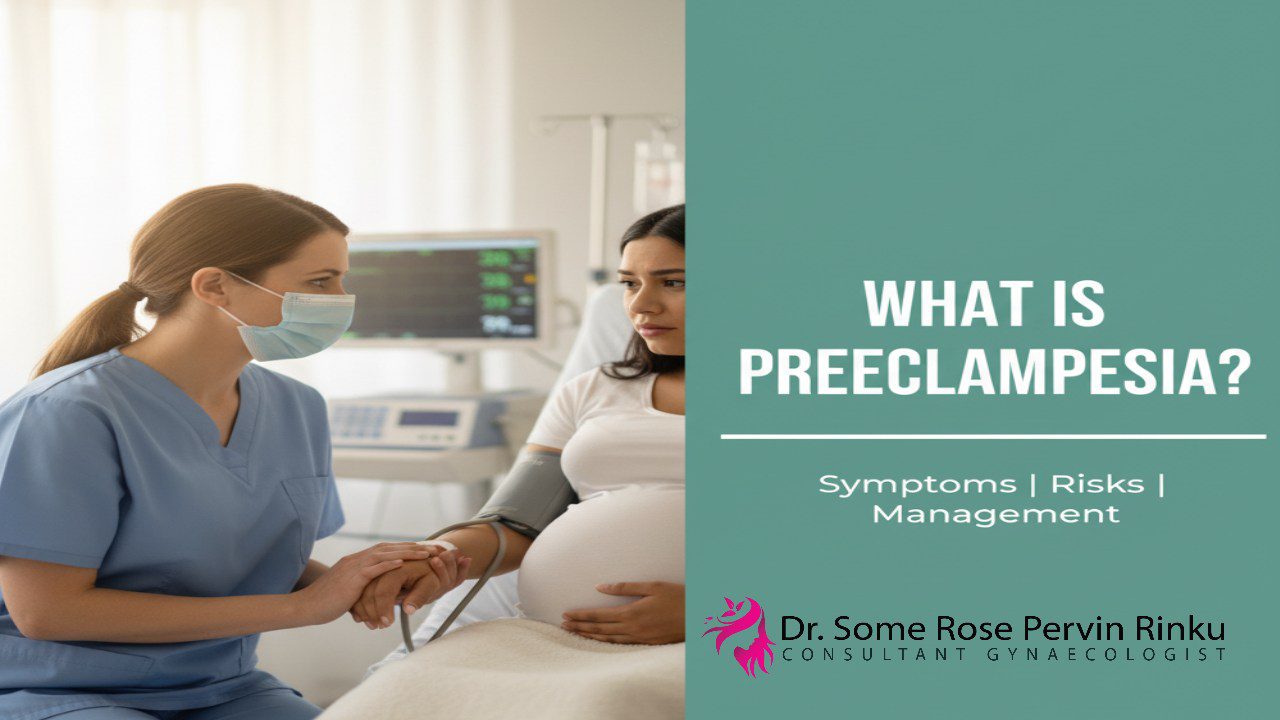
Preeclampsia is a severe blood pressure disorder that impacts 5-8% of all pregnancies around the world but many pregnant women are not aware of its dangers. This can come with no warning, and many of your first symptoms may be silent ones in the beginning period, so being aware and having regular prenatal check-ups are key. Knowing what preeclampsia is, identifying its symptoms and understanding the risk factors ― these can all arm you to defend your health and that of your child.
In this guide, however, we will give you the basic information every parent-to-be needs to know. We’ll explain the symptoms to look for, possible causes, how it’s handled and why early detection is essential for a healthy pregnancy outcome.
What Exactly Is Preeclampsia?
Preeclampsia is a pregnancy disorder that involves high blood pressure (hypertension) and other signs of organ injury, most often to the liver and kidneys. It usually begins after 20 weeks of pregnancy in women whose blood pressure had previously been normal. Untreated, preeclampsia can result in very serious (even fatal) complications for both the mother and baby.
It is not just high blood pressure in pregnancy, also known as gestational hypertension. Though gestational hypertension already hinges on high blood pressure, preeclampsia comes with the additional threat of organ damage, marked by symptoms such as protein in the urine.
Recognizing the Symptoms of Preeclampsia
Making matters more difficult, early symptoms of preeclampsia can be subtle or mimic normal pregnancy aches and pains. That’s why it’s so important to go to all your prenatal appointments- your doctor screens for it at every visit.
Key symptoms to watch for include:
- Extreme Headaches: Recurring headaches that do not respond to regular treatments.
- Changes in Vision: Because you see spots, flashes of light or your vision blacks out for a few minutes.
- Upper Abdominal Strain: Pain, as either on the right or left side of your abdomen just below your ribcage. This can indicate liver involvement.
- Sudden Swelling (Edema): Some degree of swelling in pregnancy is normal, but any sudden or severe swelling in your hands, face, legs can be a real warning sign.
- Gaining Weight Quickly: Putting on anything more than a couple pounds in a week.
- Nausea: Especially if it starts suddenly in the second half of pregnancy.
- Shortness of breath: Due to the fluid in the lungs.
If you experience any of these symptoms, contact your healthcare provider immediately.
What Causes Preeclampsia and Who Is at Risk?
The exact cause of preeclampsia is not yet known, but it is believed to begin in the placenta. When pregnancy is healthy, new blood vessels form to carry the blood to the placenta. In women with preeclampsia, these vessels may not ever develop or work effectively, causing blood flow problems.
While any pregnant woman can develop preeclampsia, certain factors increase the risk.
Key Risk Factors:
- History of Previous preeclampsia: Preeclampsia in a previous pregnancy.
- Multiple Gestation: The condition of being pregnant with two or more babies.
- Other Chronic Health Conditions: Pre-existing high blood pressure, kidney disease, diabetes, or autoimmune diseases such as lupus.
- First Pregnancy: Preeclampsia is more common during a woman’s first pregnancy.
- Age: Either being over 35, or a very young mother.
- Obesity: A body mass index (BMI) of 30 or more.
- Family History: If your mother or sister had preeclampsia.
- IVF (in vitro fertilization) pregnancies: The risk may be somewhat higher for IVF pregnancies.
The Dangers of Untreated Preeclampsia
When not managed promptly, preeclampsia can progress to more severe conditions.
- Eclampsia: The most severe form of the condition, in which a woman with preeclampsia has seizures. Eclampsia is a medical emergency that must be treated immediately, as it puts the life of both mother and baby at risk.
- HELLP Syndrome: This is an acronym for Hemolysis, Elevated Liver enzymes and Low Platelet. HELLP syndrome, an uncommon and serious complication of preeclampsia, may present before or after delivery.
- Placental Abruption: The placenta separates from the inner wall of the uterus before delivery, leading to heavy bleeding; it can create a danger for the baby.
- Fetal Growth Restriction: Decreased blood flow to the placenta may leave the baby short on oxygen and nutrients, resulting in a slower growth rate.
Prevention and Management Strategies
There’s no certain way to prevent preeclampsia, but certain steps may reduce your risk. If you have high risk factors, your doctor may also suggest taking low-dose aspirin daily, starting late in the first trimester. And leading a healthy lifestyle of eating balanced nutritional foods and regular exercise can also help.
If diagnosed, the next step is to closely monitor you and your baby to keep it from getting worse.
Common Treatment Approaches:
- Regular Monitoring: You will need to be vigilant with frequent blood pressure checks, urine tests to measure the protein levels in your urine and blood tests to monitor liver and kidney function as well as platelet counts.
- Fetal Monitoring: Monitoring of the fetus Ultrasounds, nonstress tests and biophysical profiles are performed to ensure that the baby is growing and moving well.
- Medications: You may need to be put on hypertension drugs that are safe for pregnancy in order to reduce your blood pressure. In severe cases, corticosteroids may be administered to speed the baby’s lung maturity if an early delivery is required.
- Bedrest: Your physician may also prescribe some type of modified activity or total bed rest to control blood pressure.
In the end, the only treatment for preeclampsia is delivering the baby. When you deliver your baby depends on how ill or early in pregnancy you are. Mild preeclampsia, before you’re at 37 weeks The best course of action: On the lookout for other signs of trouble If your case of preeclampsia is mild and it’s still not quite 37 weeks (but over 34), chances are good that your doctor or midwife will want to keep a close eye on you. If the illness is significant it may even require delivery and deliver a premature baby.
Your Health Matters: Prioritize Prenatal Care
Preeclampsia is so scary, but with the medical advances of today, it’s not that big of a deal. The best weapon you have is information and a good relationship with your health care provider. Do not be afraid to bring up concerns, no matter how small or trivial they might seem, or even new symptoms.
The best protection against the devastating consequences of preeclampsia is early recognition. By going to every one of your prenatal appointments and being in tune with your body, you are doing everything that you need to do to help make sure that the amazing experience of becoming a new mom is as safe and healthy as possible for both yourself and your child.