
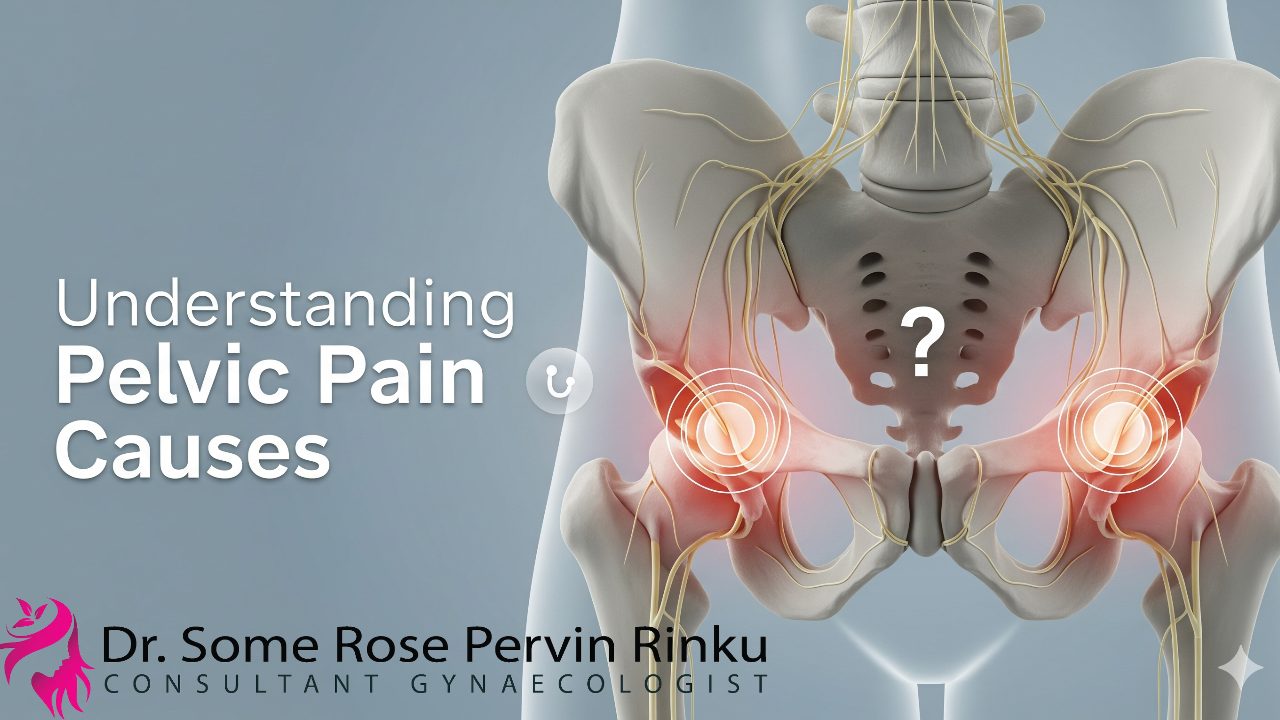
Pelvic pain affects millions of women around the world, but is still shrouded in mystery and misconception. If you’ve been dealing with annoying pelvic discomfort, you’re not alone — research has revealed that as much as 15% of women of reproductive age grapple with chronic pelvic pain. Thankfully, despite being so common, many women spend too much time feeling frustrated when trying to find answers, from lack of support or straight-up dismissive attitudes, or the cookie-cutter or vague diagnoses that leave them feeling completely hopeless.
Here’s the reality: Your pelvic pain should never be something you simply “learn to live with.” Knowing the causes of pelvic pain is the first step to gaining real relief and getting your quality of life back. If you are feeling acute stabbing pains or just nagging chronic aches, they all need to be addressed and worded up properly.
Here, in this ultimate guide, I will discuss what these causes of pain are, what symptoms to look for that may indicate a more urgent reason for them, and what you need to know to be an effective advocate for yourself. You need answers, and the more you can begin to understand what might be behind your pain, the closer you are to finding relief.
What exactly is Pelvic Pain?
Pelvic pain can refer to any pain located in the lowest part of your torso, which is the area below your belly button and between your hip bones. This is where your reproductive organs live along with your bladder, rectum, and a lot of muscles, ligaments, and nerves—anatomy that makes the female pelvis one of the most complex regions in the body.
There are two big categories of pelvic pain, according to medical professionals:
Acute pelvic pain Acute pelvic pain occurs less than six months; it is sudden and intense. This variety usually has a cause that is obvious and may need medical treatment right away.
Chronic pelvic pain is a pain in the pelvic area that has lasted for 6 months or is of longer duration. It is thought to afflict about 4% of women worldwide and can be extremely distressing for those who experience it, interfering with many aspects of daily life, including relationships and mental health.”
Due to the intricate nature of the pelvic area, identification of the cause of pelvic pain is difficult. There are several organ systems in your pelvis that can talk to each other and affect each other.” Referred pain Pain in one place can have a cause located elsewhere, which can make it tricky to identify the culprit.
The sensitivity to pelvic pain varies for each woman. Some describe it as:
- Acute, intermittent, stabbing pain
- Dull, constant aching or pressure
- Cramps like your period but more painful
- Burning or stinging sensations
- Pain that gets worse with movement, sitting, or sex
Not only is there physical discomfort, but the effect is also more than skin-deep. Studies have demonstrated that women with CPP are suffering from depression, anxiety and a low quality of life. Acknowledging that your pain is real and legitimate is important for your physical and emotional health.
The Most Common Pelvic Pain Causes
Gynecological Conditions
Endometriosis is estimated to occur in 10% of all women of reproductive age, for whom its among the most common causes for pelvic pain. That’s when tissue resembling the type that lines your uterus spreads outside your uterus, usually on your ovaries, fallopian tubes, or other pelvic organs. This errant tissue responds to the hormonal changes of your menstrual cycle as if it were normal uterine lining — thickening then breaking down and bleeding. But unlike menstrual blood, this blood has no way out, causing inflammation, scarring and extreme pain.
The pain of endometriosis generally increases with menstruation, but infrequently can occur at any time in your cycle. For many women, they describe the pain as a lot worse than typical period cramps, and high amounts of bleeding, as well as pain during sexual intercourse, and difficulty passing stool and urine.
Ovarian cysts are sacs filled with fluid that form on or within your ovaries. Although many ovarian cysts are not dangerous and disappear on their own, some may cause severe pelvic pain. Functional cysts — the most common type — usually develop during normal ovulation but can sometimes become larger than normal, leading to pain on one side of your pelvis.
Worse are complex cysts or rupturing of it. A ruptured ovarian cyst can trigger an intense and sudden onset of such pain. This kind of pain is not to be played with and needs prompt medical attention.
Pelvic Inflammatory Disease (PID) is an infection of the reproductive organs; often, you can blame bacteria contracted during sex. PID can spread to your uterus and fallopian tubes and your ovaries, resulting in severe pelvic pain that you might experience during sex or your period. If untreated, PID can cause serious problems, such as infertility and long-term (chronic) pelvic pain.
Uterine fibroids are benign tumors that grow in or on the wall of your uterus. These are noncancerous growths that will influence 70 percent of women by the time they’re 45 years old. Some fibroids are asymptomatic, while others can be associated with significant pelvic pressure and pain, particularly during menstruation. Miscarriages in the store but without implantation of functional ovarian cortical strips into levels of sildenafil cost australia (mesothelioma) which is closely associated with pelvic lymph node treatment, although lymph node.
Musculoskeletal Issues
Pelvic floor dysfunction is a condition that causes the muscles, support, and connective tissues in your pelvis to function poorly. These muscles may tense improperly, weaken or be uncoordinated, causing chronic pelvic pain. Patients with disordered pelvic floor frequently describe initial discomfort that is aggravated by prolonged sitting, walking, or sex.
The conditions often arise after pregnancy, surgery or injury, but can also be caused by chronic stress or poor posture. The pain can have a deep, aching quality, and occasionally may be associated with urinary or bowel symptoms.
Hip and lower back problems Referred pain that seems like pelvic pain can be attributed to issues in the hip and lower back. Hip joint derangement, sacroiliac instability or low back disc prolapse may produce pain patterns that refer to the gynecologic system. Unlike cluster headache, this pain is aggravated by movement, and relieved, at least short term, by rest and position.
Previous injuries or surgeries Scar tissue can develop from past injuries or surgeries and can be a cause of pelvic pain. Adhesions, or bands of scar tissue that forms between an organ or the organs, can cause a pulling sensation in your body, and hinder the natural movement of organs, causing chronic pain.
Digestive and Urological Causes
Irritable Bowel Syndrome (IBS) can affect the large intestine causing severe pelvic and abdominal pain. Because gut and pelvis are so connected, digestive problems often express themselves in the pelvis. IBS-Related Pelvic Pain IBS pelvic pain generally is related to bowel movements and may lessen after a bowel movement or passing gas.
Many women with IBS develop cramping, bloating and altered bowel habits in association with their pelvic pain. It can be provoked by stress, some foods and hormonal changes.
Bladder conditions such as interstitial cystitis (painful bladder syndrome) or recurrent urinary tract infections can cause pelvic pain that’s often accompanied by urinary urgency, frequency, or burning. Interstitial cystitis creates chronic bladder pain and pressure that may worsen as your bladder fills and improves after urination.
Chronic constipation that can cause pelvic pain often include urinary symptoms such as urgency, frequency, burning, and pain with sex — common culprits due to the specific pressure, position and contact of the bladder with the surrounding area and a history of interstitial cystitis (painful bladder syndrome) or recurrent urinary tract infections. Interstitial cystitis is a condition that causes chronic — often debilitating — pain and pressure in the bladder and/or pelvic area, and the pain may get worse as the bladder fills and goes away after you urinate.
Your chronic constipation could be causing pressure and bloating in your lower abdomen, which can lead to aches and pains in your pelvic area. When stool sits in your colon for prolonged periods, it can cause cramping, discomfort, and pain that stretches across your pelvic area.
Red Flags: When Pelvic Pain Requires Immediate Attention
Though most pelvic pain is not life-threatening, some symptoms should be evaluated immediately. Get emergency medical help if you have any of these signs of an allergic reaction:
- Pelvic pain that is very bad or that makes it hard to stand up or walk.
- Fever above 101°F (38.3°C) with pelvic pain
- Heavy vaginal bleeding not during your regular cycle
- Intense pains during Pregnancy or if you suspect you are pregnant.
- Pelvic pain and you are unable to keep any fluids down due to vomiting
- Symptoms of infection, including foul smelling vaginal discharge
- Pain that is followed by fainting, dizziness, or rapid pulse
Schedule an urgent gynecological consultation if you have:
- Pelvic pain that affects daily activities and sleep
- Gradually increasing pain over days or weeks
- pelvic pain with new menstrual irregularity.
- New or increasing pain during intercourse
- Pain in the pelvis with urinary symptoms such as burning, urgency, or blood in the urine
Source It is key to know that women shouldn’t get severe cramping, it’s not normal. Period pain is partly down to your personal pain scale and what you can take, but pain that’s so bad you need to take prescription painkillers like mifepristone, have to take time off work or school or can’t go about your daily activities isn’t normal and should be checked out by a doctor.
Keep a pain diary to track:
- When pain happens and on a scale of 1 to 10 how severe is it
- Any particular causes that make your pain better or worse?
- Associated symptoms such as nausea, fever, or alterations in bowel or bladder function
- The impact of pain on your daily routine and mood
- Describe any medicines or treatments you have tried and whether they were effective
- Diagnosis and Next Steps: Getting to the Bottom of Your Pain
Getting to the Root of Your Pain: Diagnosis and Next Steps
A full pelvic pain work-up generally starts with taking a thorough history and performing a physical examination. Your health care provider will inquire about your pain symptoms, menstrual periods, sexual activity, if you have had past medical problems or operations.
The physical exam may include:
- External examination of your abdomen and pelvis
- Pelvic exam to check your reproductive organs
- Rectal exam if bowel-related causes are suspected
Diagnostic tools your doctor might recommend include:
Pelvic ultrasound With pelvic ultrasound, sound waves are used to create images of your pelvic reproductive organs, which can help detect cysts, fibroids, or other structural issues.
CT or MRI scans imaging offers detailed pictures of your pelvic organs and can find problems that ultrasound might miss.
Laparoscopy is a low-risk surgery that lets you see the inside of your pelvis. This technique is useful for the diagnosis of endometriosis or adhesions.
Cystoscopy looks inside your bladder if urological causes are suspected.
To prepare for your appointment:
- Document every single one of your symptoms, even the seeming non sequiturs.
- Include all medicines and supplements you’re taking
- Think of questions about your condition and treatment choices
- A supportive person like a close friend or family member might help.
- If you don’t feel that your concerns are being addressed, don’t be afraid to ask for a second opinion.
It’s essential to push for the fullest investigation. If you present and are dismissed by your health care provider or dismissed as “just stress,” by all means, do not be afraid to go some where else. You know your body better than anyone else, and chronic pelvic discomfort always merits appropriate investigation.
Taking Control of Your Pelvic Health
Chronic pelvic pain is never “normal” and it is not something you have to put up with. No one wants to experience discomfort on a daily basis, let alone something that leads to chronic or debilitating pain. Knowing possible reasons for your pain is a first step to regaining comfort in your life.
We’ve covered the primary categories of causes of pelvic pain: Gynecological issues such as endometriosis and ovarian cysts, musculoskeletal problems like pelvic floor dysfunction, and digestive or urological woes that lead to pelvic discomfort. All of these will be treated in a different way, and that’s why finding out the root cause is so important.
Your next steps should include:
Schedule an appointment with a woman’s health provider. You will need to see a gynecologist, urogynecologist, or a pelvic pain medicine specialist to have your symptoms properly evaluated.
Prepare for your visit by recording your pain patterns, symptoms and how they impact your daily life. This information can be used by your health care provider to better understand your condition.
Don’t give up If the first doctor you see doesn’t deliver satisfying answers, don’t give up. Pelvic pain can be complicated, and it can take some persistence to find the right specialist.
Seek support that’s beyond those who understand and “get what you’re going through.” There are groups, such as the International Pelvic Pain Society, Endometriosis Association and local support groups, that can offer resources and help people emotionally..
You’re not alone on this journey, remember that. Millions of women have been helped by accurate diagnosis and treatment of pelvic pain. Your pelvic pain is real, your concerns are valid, and you deserve to receive the care you require. Addresses not only your physical symptoms but far more importantly, how they affect your life.
Aging confidently in your pelvic health equals becoming your own advocate. With the information about possible causes, and with the confidence to seek appropriate care, you’re already on the road to improved health and well-being.



