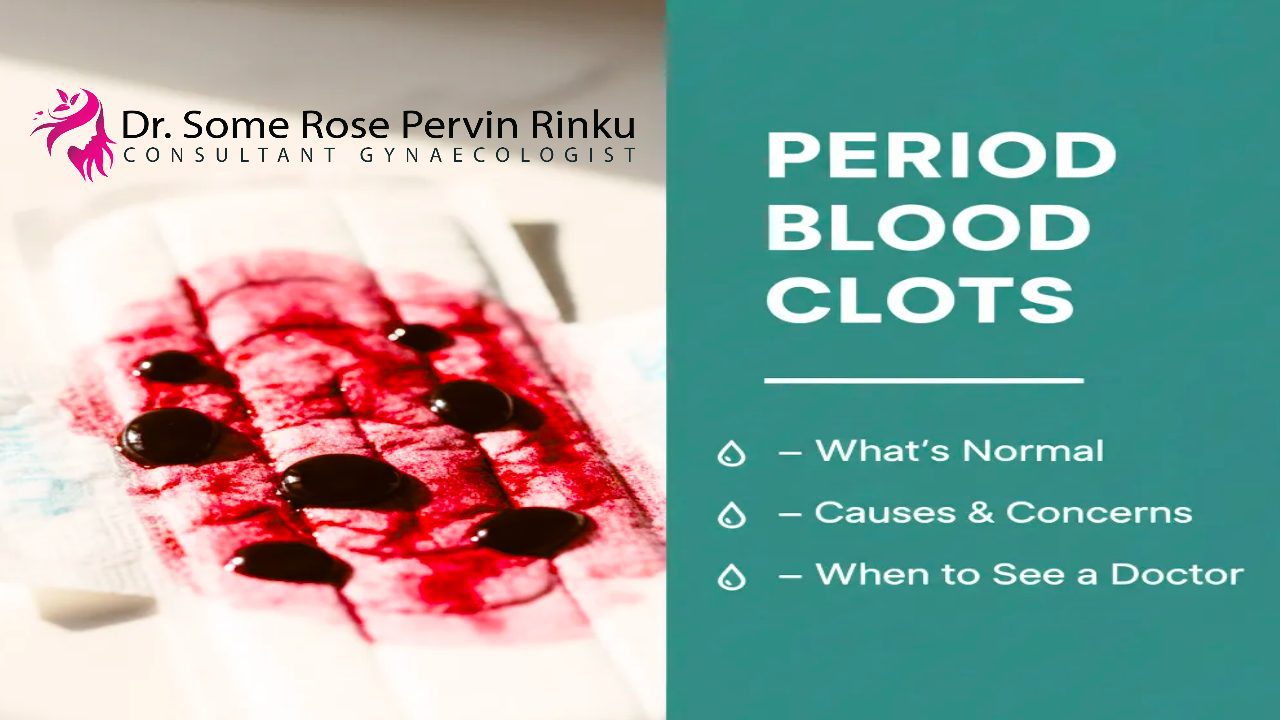
Discovering clots in your period blood can be a little bit unnerving, but take a sigh of relief because it’s usually not as scary as you think. These jelly-like clumps are something that most people who menstruate experience. They’re just a combination of blood cells and tissue from the lining of your uterus, along with proteins that help control your flow. This article should help you understand what period blood clots are, why they occur and when they could be a sign of something else. In this guide, we will take a deep look at likely causes, things to watch out for and how to handle any discomfort they may cause.
What Are Period Blood Clots?
Your body sheds the lining of your uterus (the endometrium) during your menstrual cycle. When that lining is shed, your body releases anticoagulants to make sure the blood doesn’t clot and can flow easily. But when you are bleeding extra-heavy, these anticoagulants may not be able to keep pace. so that blood may begin to coagulate and clot while still in your body.
It’s similar, in a way, to a scraped knee. When you get a cut, your blood coagulates to help you stop bleeding. A similar mechanism, albeit a more complex one, takes place in your uterus. These clots are generally small, Pinhead to quarter sized and the color is commonly dark red or black.
What Is Considered a “Normal” Clot?
Normal period blood clots: Essentially, for most people, the normal characteristics of period blood clotting include a few key things:
- Size: They are usually less than a quarter inch in size.
- Frequency: They tend to show up on the heaviest days of your period.
- Color: Their colour can vary from bright red to very dark, almost black-red.
- Consistency: They feel thick and jelly-like.
It’s not so bad to see a little shedding with the flow, especially at the outset of your cycle, when it tends to be heaviest.
Common Causes of Period Blood Clots
A few different things can cause blood clots during your period. Many are associated with a heavy flow, one that can be shaped by your body’s natural hormonal peaks and valleys or underlying health conditions.
Heavy Menstrual Flow (Menorrhagia)
The most common reason you might experience period blood clots is that you have a very heavy flow. When blood collects in the uterus more quickly than it flows out, it gives itself time to clot. A lot of women will naturally have one or two heavier days in their cycle, and that’s going to occasionally result in a clot. Menorrhagia is the formal medical name for unusually heavy or long menstrual periods.
Uterine Fibroids
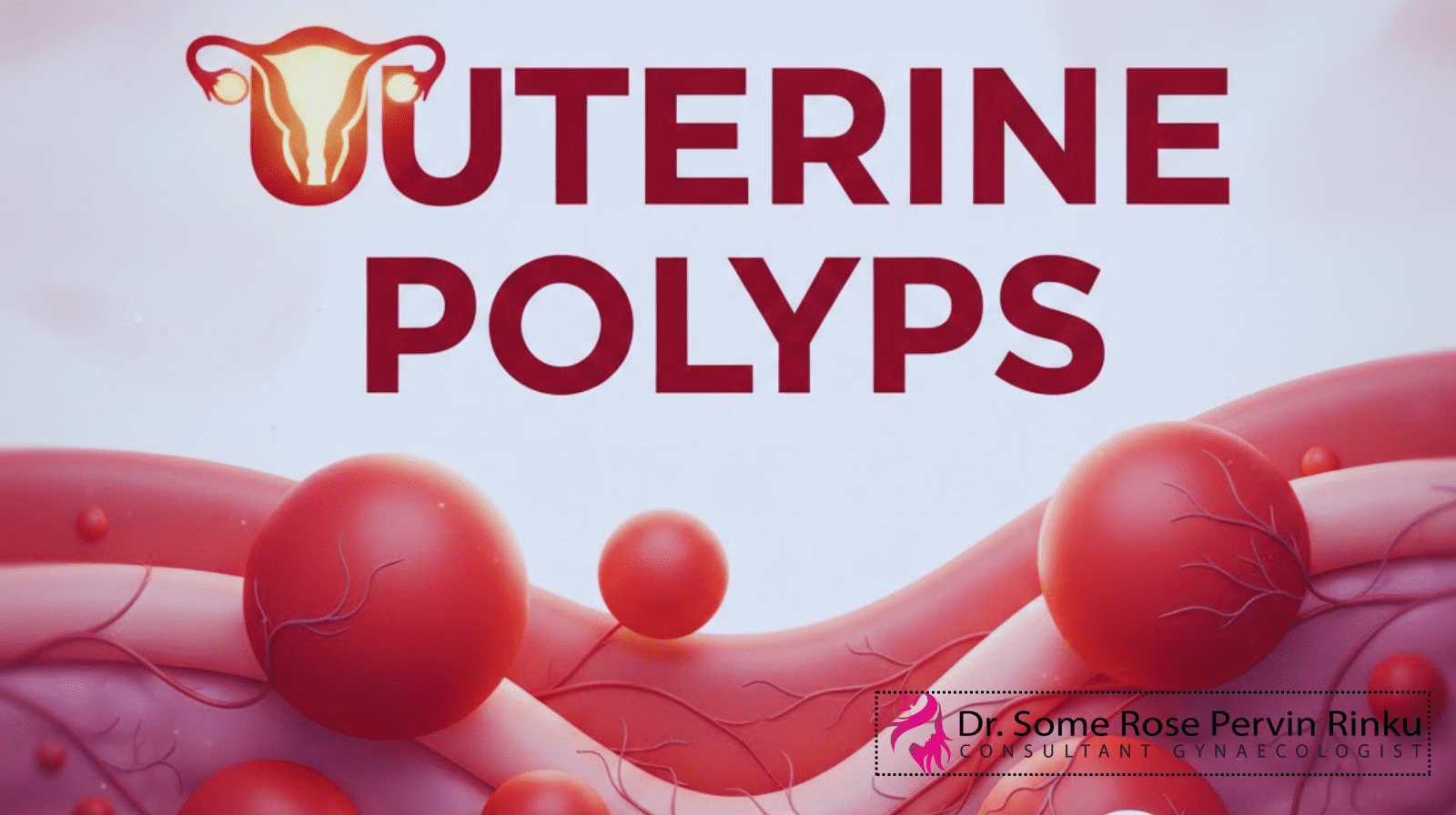
Uterine fibroids are noncancerous growths of the muscle inside the uterus. They are extremely common and vary in size. Fibroids may obstruct the uterus’ ability to contract effectively, resulting in heavier bleeding and clots. Although typically benign, they can be quite symptomatic leading to pelvic pain and heavy bleeding.
Endometriosis
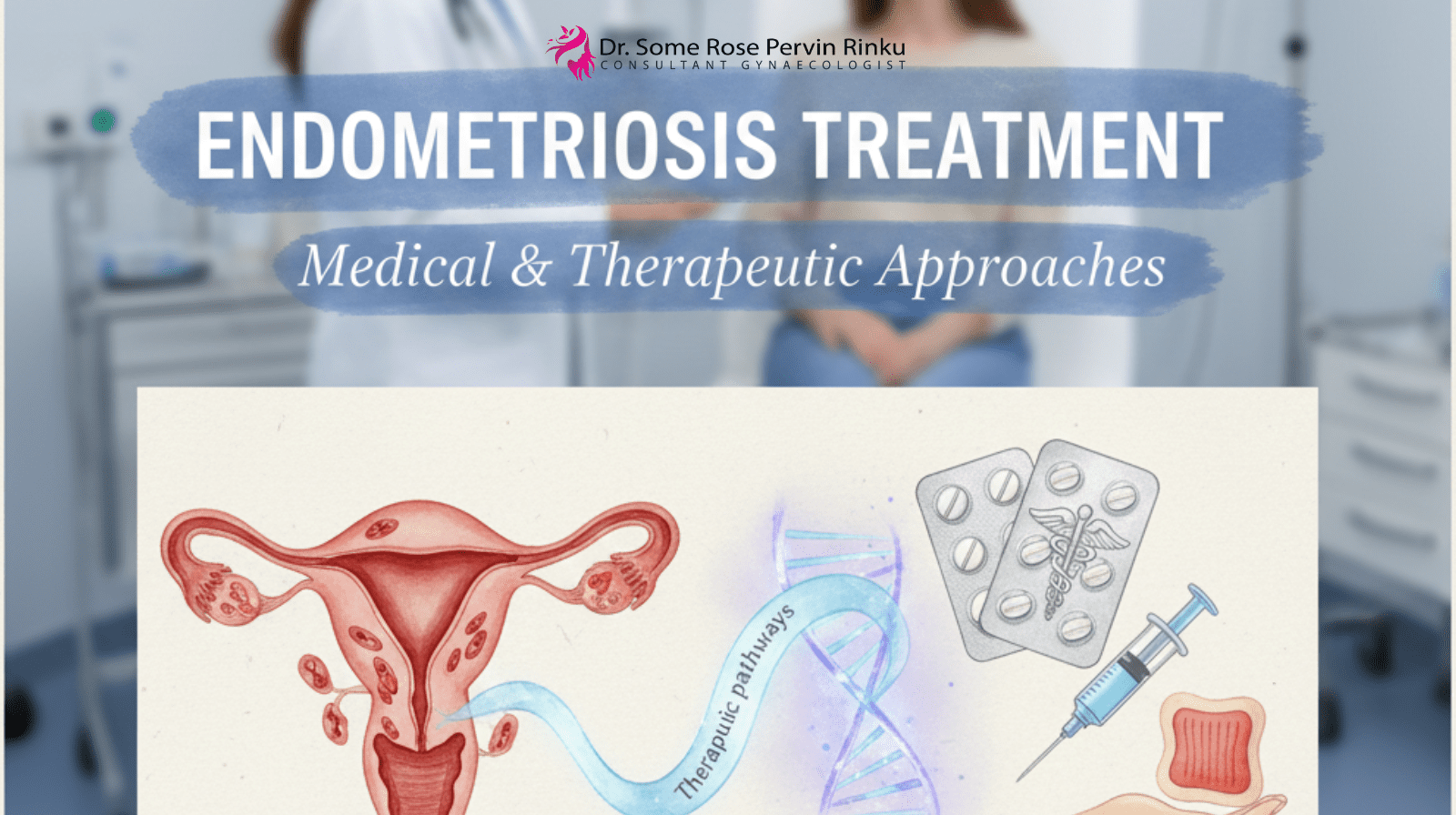
Endometriosis is a disorder in which tissue that’s similar to the lining of your uterus grows outside your uterus, such as on your ovaries, fallopian tubes or other pelvic organs. This can lead to inflammation, pain and heavy or irregular periods. More blood flow, because of the increased bleeding brought on by endometriosis, can result in the passing of thicker or larger clots.
Hormonal Imbalances
A delicate balance of the hormones estrogen and progesterone controls the menstrual cycle, including the ripening of your eggs and menstruation. When this balance is disturbed, the lining of the uterus may become too thick. This might cause heavier flow and more clotting. Hormones can be disrupted by conditions such as Polycystic Ovary Syndrome (PCOS), perimenopause, and thyroid disorders.
Adenomyosis
Adenomyosis is when the endometrial tissue grows into the muscular wall of your uterus. And this displaced tissue acts as it normally would — thickening, breaking down and bleeding with each menstrual cycle. This can lead to an enlarged uterus, agonizing cramps and heavy bleeding with clots.
When Should You See a Doctor?
Although infrequent, small clots are a normal part of menstruation; however symptoms such as these can be signs that it is time to seek medical attention. And, you should make an appointment if:
- Large Clots:You always have clots the size of quarters or larger.
- High Frequency: You pass clots a lot for the entire course of your period, not just on the heaviest days.
- Very Heavy Bleeding: Change your pad, tampon or menstrual cup every hour or two, for many consecutive hours.
- Symptoms of Anemia: Your heavy flow makes you feel lightheaded, short of breath, overly exhausted, or looking pale. These are symptoms of anemia, the condition that results when iron stores drop from prolonged blood loss.
- Severe Pain: Your periods can cause cramps so painful that it disrupts your day.
- Irregular Cycles: Your periods are abrupt, irregular, heavier or more painful than your regular cycle.
During a physical exam, blood tests and an ultrasound can be used to figure out what’s behind your symptoms and suggest an appropriate course of action.
Tips for Managing Period Blood Clots
If your clots are not being instigated by a more serious underlying health condition, there are a few ways to deal with the blood clots and the heavy flow that usually accompanies them.
Stay Hydrated and Eat Well
Hydrating can help blood flow, too. And if you have heavy bleeding, it’s a good idea to eat iron-rich foods: Iron deficiency can occur if your body loses more blood than intake as part of the menstrual process. Add protein-based items such as lean meats, spinach, beans and lentils to your meal. Your provider may also suggest that you take an iron supplement to prevent or treat anemia.
Use Appropriate Menstrual Products
You might need extra-absorbent menstrual products if your flow is heavy and you have clots. High-absorbency pads or tampons may also be helpful. Menstrual cups are also an excellent way to go because they hold more liquid than traditional products and you’re able to visually see the volume and consistency of your flow.
Apply Heat and Rest
A heating pad or warm bath may also soothe uterine muscles while helping get rid of cramps and possibly increasing blood flow to reduce clotting. Never underestimate the power of snooze. Your body is going through a lot so allow yourself to rest on your heaviest days.
Gentle Exercise
While working up a sweat might be the last thing you feel like doing, light movement — such as walking, stretching or practicing yoga — can help relieve cramps and lift your spirits. Tune in to your body and do what feels good for you.
Your Period Is a Sign of Health
Knowing your menstrual cycle has a lot to do with understanding who you are and being aware of what’s happening with your general health. You’re likely just shedding the uterus lining that has built throughout your cycle when you notice period blood clots, so relax: clots can be a normal part of menstruation. By understanding what is normal for your body, you can gain confidence and know when it’s time to seek professional advice. Feel free to ask a doctor these questions about your period — it’s an important discussion to have.