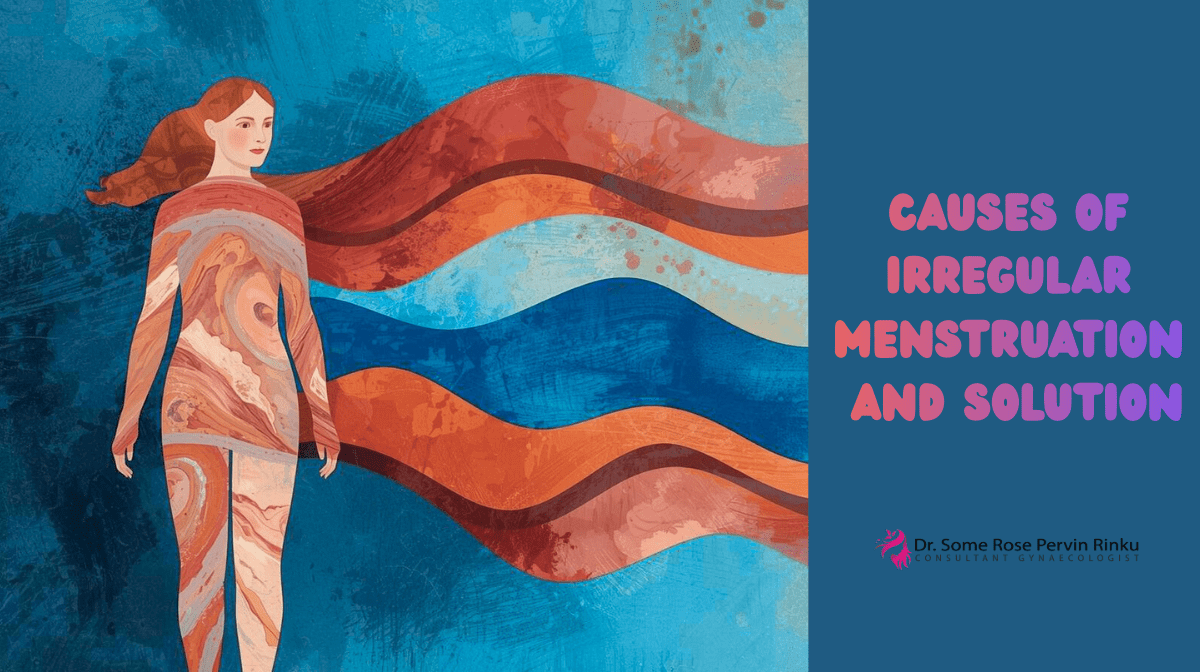
And then that age-old sense of dread begins to creep in. You tap open your calendar app for the third time today, verifying what you suspect: your period is late. Or maybe it came a week before you expected, taking you completely by surprise. That cycle of not knowing, the waiting and worrying: That’s the reality for 72 abortion-seeking women who were recruited to participate in a series of innovative studies. If you’re fed up with playing a guessing game with your body, that makes two of us. Your menstrual cycle has a lot to say about your overall well-being, and irregular periods can be more than just an inconvenience.
It can be frustrating to deal with period irregularities, but it’s usually your body’s way of telling you that something else is up. This guide will help you understand what might be to blame for a rogue cycle, what it so often means for your long-term health and when it’s time to talk to someone in health care.
What Qualifies as an Irregular Period?
But before we look at what’s causing this, let’s get one thing straight about what “normal” is. The average menstrual cycle is 21 to 35 days, measured from the first day of one period to the first day of the next. Some fluctuation from month to month is normal If you Your period is generally considered irregular if:
- Your period time fluctuates a lot.
- You skip three or more cycles in a row (and you aren’t pregnant).
- Your flow is lighter or much heavier than what’s normal for you.
- You’re on your period for more than seven days.
- You have intense pain, cramps, nausea or vomiting with your period.
- You bleed or spot between periods.
It’s also important to be aware that for the first few years after a person starts menstruating, and during perimenopause (the years around menopause), cycles can be irregular for many women and are typically not cause for worry.
Common Causes of Period Irregularities
Your period is a complicated thing controlled by a fragile hormone balance. When this balance is thrown off, your cycle can become irregular. There are a wide variety of elements from your lifestyle to underlying health concerns that can impact menstruation.
Lifestyle and Environmental Factors
Other times, the culprit behind an irregular cycle stems from your lifestyle and environment. These also might be the simplest, because a lot of times people can fix them.
- High Stress Levels: High levels of chronic stress can contribute to irregular periods by interfering with the hormones needed to make menstruation regular. This can result in late or missed periods.
- Significant Weight Changes: Whether it’s an extreme weight loss or gain, this could also affect your hormone levels. If you’re underweight, your periods may stop; if you’re overweight, they can become irregular or infrequent.
- Excessive Exercise: Regular exercise is good for your health, but intense or extreme workout regimens can stress your body and interfere with the hormones that regulate your period.
- Changes in Routine: Moving time zones, adjusting your bedtime, or modifying your daily schedule can disrupt your cycle for a bit.
Underlying Medical Conditions
In others, the irregularity is a sign of some underlying medical issue that needs to be addressed by a doctor. And this is important to get under control not only for the regulation of your cycle but to safeguard your long term women’s health.
- Polycystic Ovary Syndrome (PCOS): This is the most common reason for irregular periods. PCOS is a hormonal disorder that can cause you to have infrequent or prolonged menstrual periods, and it can result in excess male hormone (androgen) levels.
- Thyroid Disorders: Hyperthyroidism and hypothyroidism both lead to menstrual irregularities. Your thyroid gland helps regulate your body’s metabolism and influences other hormones as well.
- Uterine Fibroids: Noncancerous growths in the uterus can lead to heavy menstrual bleeding, extended periods and pelvic pain.
- Pelvic Inflammatory Disease (PID): An infection of the reproductive organs, PID can contribute to abnormal bleeding like bleeding after sex, or between periods.
Why You Shouldn’t Ignore Irregular Periods
Although an odd off-cycle is not generally cause for alarm, a persistent irregular period can have more far-reaching health implications. Consider your menstrual cycle a vital sign, the way you do with blood pressure or heart rate. It yields valuable information about your overall health.
Failing to address ongoing period irregularities could also mean you’re neglecting a condition that requires treatment, Too many people think this issue is NBD, but it very much is. Untreated PCOS, for example, can raise the risk of other health issues including type 2 diabetes, high cholesterol and heart disease.
And if you’re trying to get pregnant, an unpredictable cycle can thwart all of your best efforts at timing. Understanding your menstrual cycle and symptoms related to it can point to potential barriers in reaching reproductive goals.
When to See a Doctor About Your Cycle
It is important to listen to your body and be on the lookout for when to go see a doctor. You don’t need to wait until something feels really wrong. If you’d like to see your doctor or a gynecologist:
- You skip three or more menstrual cycles and you are not pregnant.
- Your periods abruptly become irregular when they’ve been regular for a long time.
- Your cycle is always less than 21 days or more than 35 days.
- You bleed for over seven days.
- You must change your pad or tampon every hour for many consecutive hours.
- Your menstrual pain is unbearable.
- You get a fever or feel sick after using a tampon.
- You are trying to conceive and have an irregular cycle.
Try to track your cycles for a couple months leading up to your appointment. Keep track of when your period starts and stops, how heavy the flow is, and any other symptoms you experience, from cramping to mood shifts to spotting. Your doctor will use this information to diagnose the problem.
A Path to Better Menstrual Health
Menstrual health is one of the cores of your general well being. It can be stressful to deal with irregular periods, but it’s a manageable problem. You can take control of your cycle by listening to your body, choosing a healthy lifestyle and seeking expert medical advice when first signs of trouble manifest. Knowing the “why” behind your period issues will put you on a path to solution and make sure you’re at your best health.