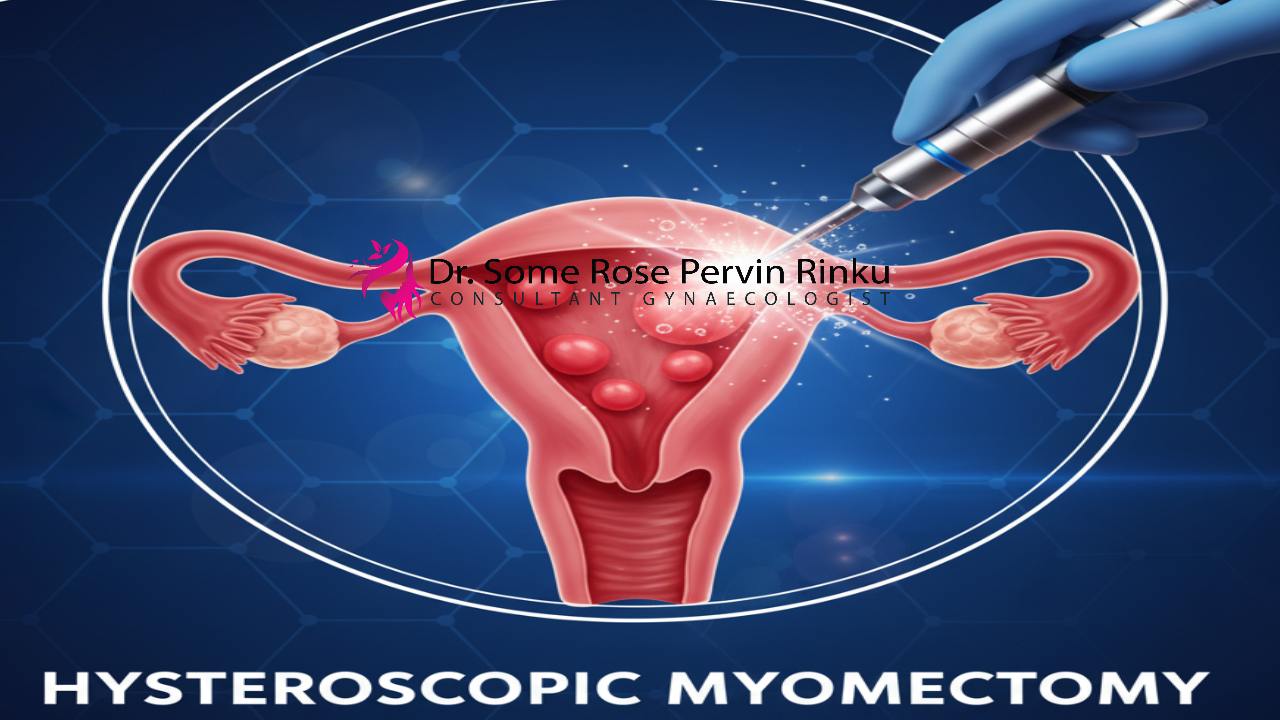
Uterine fibroids are extremely prevalent, occurring in a large proportion of women of reproductive age. For most, these noncancerous growths present no problems. For some, they lead to disruptive symptoms like heavy menstrual bleeding, extreme pelvic pain and pressure affecting day-to-day life. If you are facing these struggles, just know that you’re not alone and there is help.
One minimally-invasive, more-advanced choice would be hysteroscopic myomectomy. This can give you relief from fibroid symptoms and restore your ability to control your reproductive health. This guide will explain what a hysteroscopic myomectomy is, the benefits it can provide you and what to expect during the procedure and afterwards.
Understanding Uterine Fibroids and Their Symptoms
A word about what we’re treating There are little sebaceous, or oil, glands on our face everywhere. Uterine fibroids are muscular tumors that develop in the wall of the uterus. they can be as small as a seed up to larger than a grapefruit.
While many women have fibroids without even knowing it, others face symptomatic chaos. Common fibroid symptoms include:
- Heavy or prolonged menstrual bleeding: Periods in which you have to change your pad or tampon every two hours or less.
- Pelvic pain and pressure: Discomfort or fullness in the lower abdomen.
- Urinating more often than usual: A big fibroid can press into the bladder.
- Difficulty emptying the bladder.
- Constipation: Pressure on the rectum from a fibroid.
- Backache or leg pains.
These symptoms can disrupt work, social life and overall quality of life. If they ring a bell, talking about them with a doctor is a good place to start.
What is Hysteroscopic Myomectomy?
Hysteroscopic myomectomy is a minimally invasive surgery in which submucosal fibroids are removed from the uterus. Unlike conventional surgery, which may include external incisions, the procedure is carried out along the body’s natural passageways.
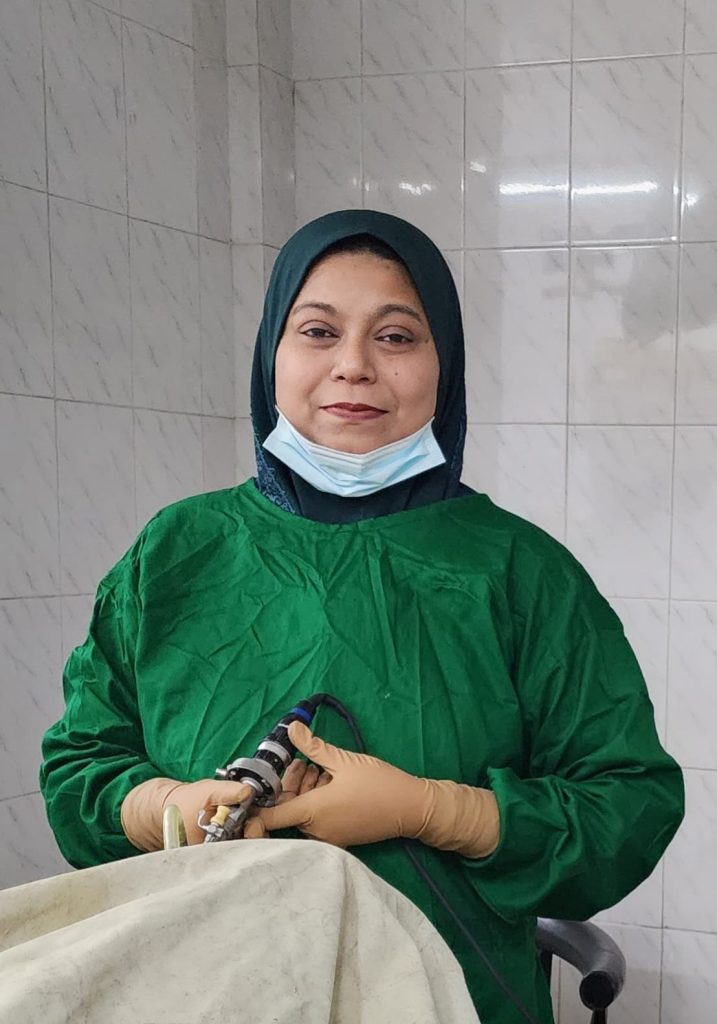
During the procedure, a surgeon passes a thin, lighted instrument known as a hysteroscope through the vagina and cervix and into the uterus. It brings an image of the inside of the uterus to a screen, so that a surgeon can see fibroids clearly. Special surgical instruments are inserted through the hysteroscope to shave away and remove the fibroid tissue.
Key Benefits of the Procedure
As it is less invasive than other surgical techniques, hysteroscopic myomectomy has many advantages and is the most preferred choice for eligible patients.
- Less invasive: There is no required abdominal incision. This translates to less pain, minimal scarring and reduced risk of infection than with open surgery.
- Quicker Healing: The majority of our patients will recover back to their usual selves within a couple days. The sooner you recover, the less time away from work and life.
- Uterus Sparing: A procedure that removes the fibroids without removing the uterus. This is an important benefit for women who may need to preserve their fertility and wish to be well once again in the future.
- High efficacy: It is very effective in treating symptoms such as heavy menstrual bleeding due to submucosal fibroids and then life quality improvement.
The Hysteroscopic Myomectomy Procedure: What to Expect
Understanding what to expect can help alleviate whatever anxiety may be associated with the surgery. The surgery is usually done at a hospital or outpatient surgery center.
- Preparation: You will receive instructions from your doctor about how to prepare for the procedure, including whether you should refrain from eating or drinking beforehand. The surgery is frequently performed under general or regional anesthesia so you will not feel any discomfort.
- The Surgery: After you’re sedated, your surgeon will use a special instrument to lightly dilate your cervix in order to make space for the hysteroscope. Any time you can throw some CSS and styling in there, they will introduce a sterile fluid into your uterus which creates space inside the cavity so that an exam can provide a nice image of those fibroids. The surgeon utilizes a camera on the hysteroscope to guide, while using a unique instrument to meticulously excise (cut) the fibroid tissue. The detached tissue is then suctioned from the uterus.
- Duration: The entire process typically takes between 30 minutes to an hour, although that can vary based on the size and quantity of fibroids being taken out.
Recovery and Post-Procedure Care
Hysteroscopic myomectomy recovery time Recovery from a hysteroscopic myomectomy is usually fast. And because it’s a minimally invasive gynecologic surgery, most patients go home that same day.
For a few days to a couple of weeks after the procedure, you can count on some mild cramping and light vaginal bleeding or discharge. If you are in pain, your doctor may give your medicine to help with the pain. The vast majority of women are able to return to their regular non-strenuous activities after a day or two.
Your doctor will provide specific information but instructions generally involve:
- Rest Avoidance of vigorous exercise for a few weeks.
- Not having sex for a week or two so the cervix and uterus can heal.
- Opting for pads instead of tampons for any bleeding.
A subsequent appointment will be arranged when we meet to check on how you are healing and to go through the results.
Are There Any Risks?
Hysteroscopic myomectomy is an extremely safe procedure, though like all surgery, there are some risks. These include the following in rare patients:
- Uterine perforation: An accidental tear in the wall of the uterus.
- Infection: Risk is low but possible with any surgical procedure.
- Excessive bleeding: Although rare, bleeding is a risk during and after the surgery.
- Fluid overload: This occurs when there are complications with the fluid that is designed to expand the uterus.
Your surgeon will review the risks associated with your surgery in detail and make all attempts to keep you safe.
Choosing the Right Healthcare Provider
Choosing the appropriate expert is crucial to achieve success. Find a board-certified gynecologist who has performed many hysteroscopic myomectomies. Feel free to ask them about their experience, success and what you can expect under their umbrella.
Feeling comfortable and confident with your provider is an important part of learning to advocate for your own reproductive health. Pick a doctor who listens to your worries, answers your questions thoroughly and works with you on a treatment plan that complements your health goals.
You don’t have to continue living with disruptive fibroid symptoms. Hysteroscopic myomectomy, through a minimally invasive approach offers women a safe and effective route to living fibroid-free-and feeling their absolute best once again.