Vaginal itching is an uncomfortable, sometimes painful, symptom that many women experience at some point. It’s easy to push the pain out of mind and hope it will go away, but figuring out what’s really at the heart of your hurt is a necessary first step to finding relief. This is a common health problem and can be caused by particularly benign stimuli to unsanitary infections!
This guide will take you through what’s likely causing your vaginal itching, show you when it’s time to seek health care from a provider, and offer some holistic tips that can help prevent future discomfort.
Common Causes of Vaginal Itching
Itching around the vagina There are many different reasons for itching around the female genital area. Identifying the source is critical to the success of treatment. Let’s get into some of the common culprits.
Infections
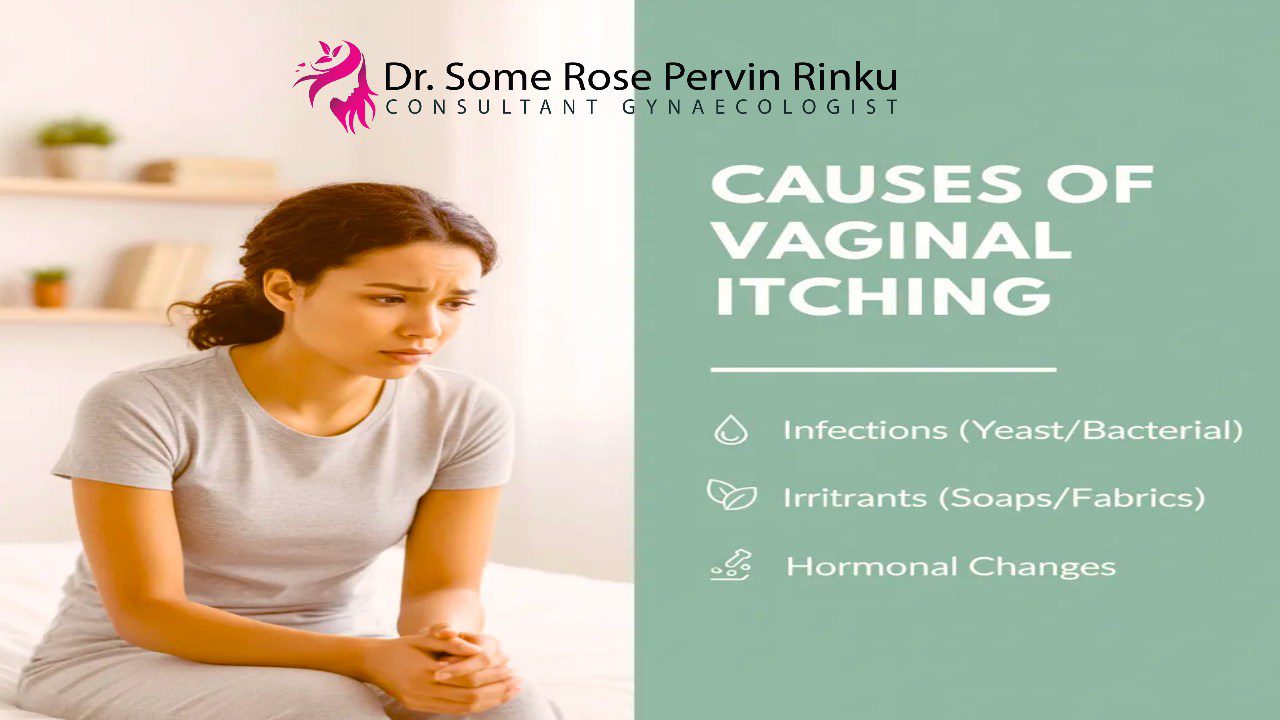
Infections are one of the most common reasons for vaginal itching. Each type has distinct characteristics and requires a specific treatment plan.
- Yeast Infection (Candidiasis): Yeast infections are extremely common and caused by overgrowth of the fungus Candida. It often causes severe itching followed by thick, white cottage-cheese-like discharge (although, as with yeast infections produced by other agents, not all women will experience visible changes to the consistency of discharge) and burning or redness.
- Bacterial Vaginosis (BV): This occurs due to an abnormality in the naturally occurring bacteria in the vagina. BV is a thin grayish white discharge that has a foul fishy odor that may be especially strong after sex. Itching can also be an initial symptom for certain people.
- Sexually transmittable infections (STIs): Many STIs may cause the vagina to itch and feel irritated. These are trichomoniasis, genital herpes, chlamydia and gonorrhea. Because your symptoms can range substantially, it’s important to get tested if you think you may have been exposed.
Irritants and Allergic Reactions
Your skin is your body’s largest organ and the skin in your genital area is especially sensitive. Contact dermatitis, a response that leads to an itchy rash, can be caused by contact with some chemicals or substances.
Common vaginal irritants include:
- Common vaginal irritants include:
- Fragranced soaps and body washes.
- Feminine hygiene sprays and douches.
- “I get triggered by things that are highly scented, so fragrant laundry detergents and fabric softeners can make me wheeze.
- Spermicides and some lubricants.
- Scented tampons and pads.
- Latex in condoms (except when you have an allergy to latex).
- Synthetic materials found in underwear (which can trap moisture).
Identifying and eliminating potential irritants is often a simple yet effective way to resolve itching.
Skin Conditions
Certain dermatological conditions can affect the vulvar and vaginal areas, leading to chronic itching and discomfort.
- Eczema (Atopic Dermatitis): This common condition results in dry, scaling, and severely itchy skin that can develop anywhere on the body, including the vulva.
- Psoriasis: An autoimmune condition that can result in red, scaly patches of the skin. Less common on the genitals, it can cause chronic itching.
- Lichen Sclerosus: An uncommon skin disorder causing thin, white patches of skin, usually in the genital and anal regions. It can be extremely itchy and uncomfortable, and even develop into scarring if left untreated.
Hormonal Changes
Changes in estrogen can greatly affect the health of vaginal tissue. When estrogen decreases, the vaginal walls can thin, dry out and lose elasticity, a condition called vaginal atrophy or the genitourinary syndrome of menopause (GSM).
This is most common during:
- Menopause / Perimenopause: The gradual decline of estrogen during this life stage is the most common cause of vaginal dryness and itching.
- Breastfeeding: Estrogen levels may drop during breastfeeding, resulting in temporary vaginal dryness.
- After ovaries are removed: Surgical menopause causes your estrogen to plummet suddenly.
When to See a Doctor
Although mild, transient itching can often be managed at home, you should speak with a healthcare provider if you experience any of these symptoms:
- Persistent or severe itching.
- Symptoms that disrupt your routine life or sleep.
- Itching with changes in the vulva: like discharge, foul smell, sores or blisters, whose source a lay girl should not even try to imagine No Pain during urination and sex.
- For the first time ever, you have symptoms of a yeasty infection.
- Nonprescription drugs do not soothe.
- You think there is a chance you may have contracted an STI.
A doctor will be able to conduct a physical exam, swab discharge for testing and diagnose it accurately. Basically self-diagnosing can end up in the use of a wrong treatment that could exacerbate the current issue.
Tips for Preventing Vaginal Discomfort
A few minor modifications to your daily routine can help in maintaining healthy balance and prevent any vaginal irritation.
- Choose Gentle Hygiene Products: Use unscented, hypoallergenic cleaners and detergents. Do not douche because it may alter the normal balance of bacteria in your vagina. Just use warm water to clean the external vulvar vicinity.
- Wear Breathable Underwear: Breathable undies are your bestie. It’s breathable, so it helps you wick away moisture and cuts down on fungal and bacterial growth that can cause odor. Don’t wear tight pants for extended durations.
- Practice Good Hygiene: Always wipe from the front to back to avoid transferring bacteria residing in the anus area towards the vaginal region. Get out of wet bathing suits and clammy workout clothes pronto.
- Use Protection During Sex: This is a no-brainer, but condoms can help to protect against STIs that cause itching. Look for non-latex options if you have latex sensitivity.
- Consider Your Diet: Eating a balanced diet rich in probiotics, found in yogurt and fermented foods, may help promote a healthy balance of vaginal flora.
Find Lasting Relief
Vaginal itch is a common complaint that could have many different causes. By heeding what your body may be telling you, steering clear of common vaginal irritants, and maintaining good hygiene, you can greatly minimize the likelihood for discomfort.
But serious or unrelenting complaints should never be dismissed. If your itchy skin does not improve, or is accompanied by other troubling signs, do not hesitate to contact a health care provider. They can provide an accurate diagnosis and appropriate treatment plan to help you stop the scratch and start feeling better.