If your doctor has brought up hysteroscopy as a possible way to diagnose or treat a health issue, you may feel a little confused and concerned. This minimally invasive procedure has given thousands of women answers about their reproductive health, yet very few people know much about happens with they actually have one done.
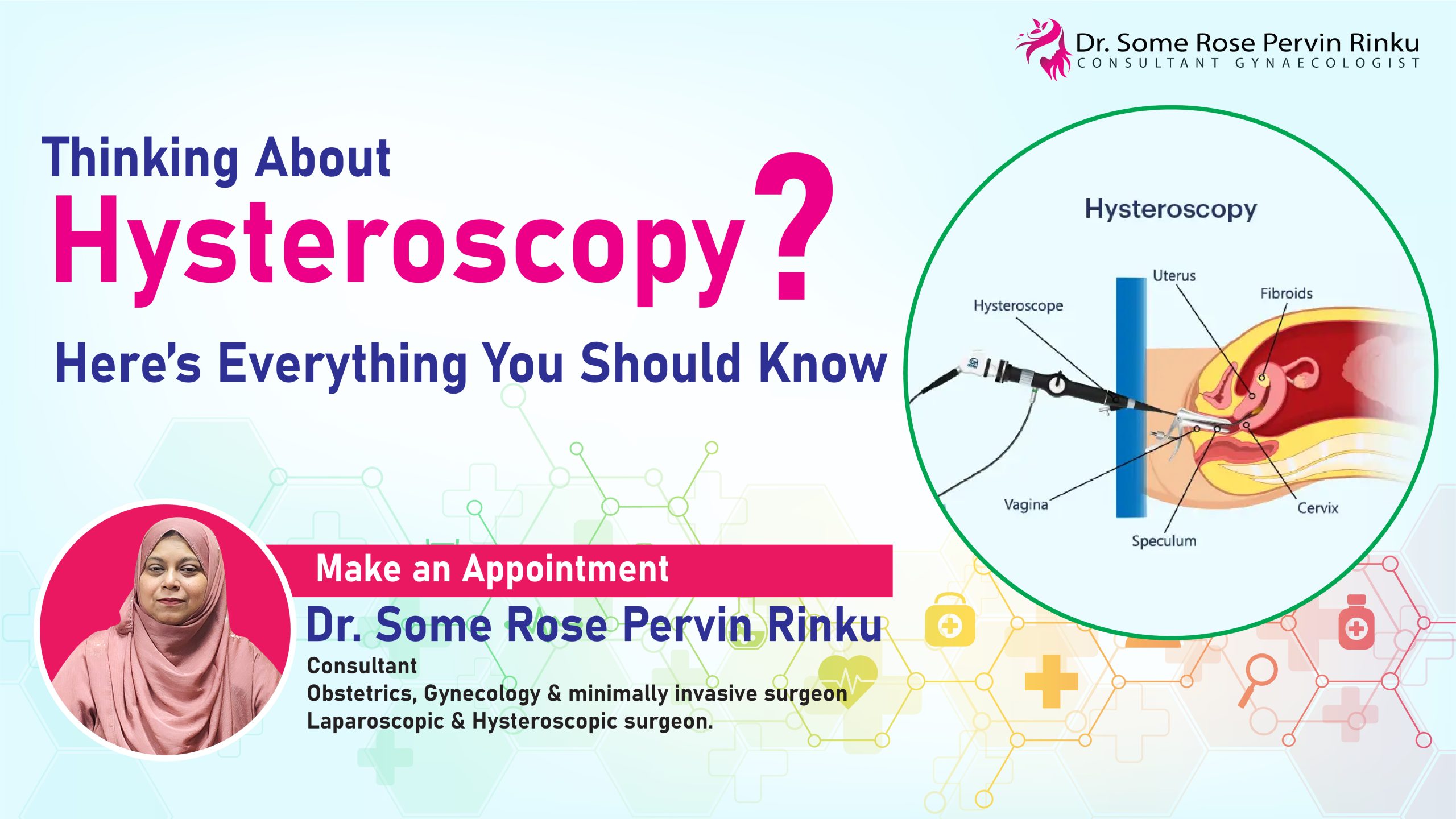
Hysteroscopy is a way for your doctor to look at the inside of your uterus. The hysteroscope is a long, thin device that’s inserted into the vagina to examine the cervix and inside of the uterus. Whether you’ve had unexplained bleeding, fertility problems or are experiencing other gynecological problems, knowing about this procedure can make you feel more comfortable making decisions about your health.
Let’s go through what it is, what to expect during the procedure and recovery tips so you can be well prepared.
What Is Hysteroscopy?
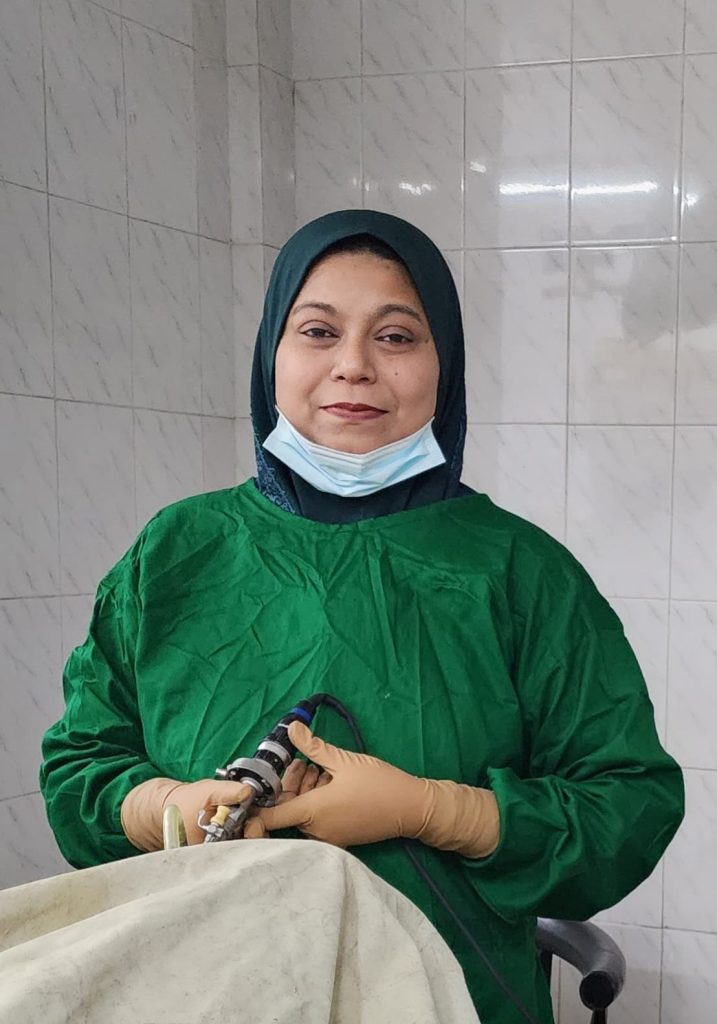
It involves your doctor looking at the inside of your uterus and cervix using a hysteroscope, which is a thin, flexible tube with a light and camera at the end. It is as if he’s using a miniature little telescope for looking up vaginas.
During the examination, your doctor will pass the hysteroscope through your vagina and cervix and into your uterus. The images from the camera are sent to a monitor, and this enables your doctor to get a good, real-time picture of your uterine lining and into the opening of your fallopian tubes.
There are two types of hysteroscopies:
Diagnostic hysteroscopy: hysteroscopy for diagnosis helps in determining the reasons of gynecological problems. Your doctor will use this technique to examine symptoms such as abnormal bleeding, pelvic pain or fertility problems.
Operative hysteroscopy: Operative hysteroscopy is both diagnostic and therapeutic. If it helps, while he’s already in there, your doctor can take out polyps, fibroids or scar tissue, fix uterine abnormalities and retrieve lost IUDs.
Why Your Doctor Might Recommend Hysteroscopy
Hysteroscopy can be used by your doctor to investigate or treat a number of conditions:
Abnormal Uterine Bleeding
If you are having heavy periods, bleeding between periods or postmenopausal bleeding, hysteroscopy can be an excellent tool in finding the cause of this. Your doctor can identify polyps, fibroids or thickened uterus lining that may be responsible for your symptoms.
Fertility Concerns
When you don’t get pregnant, hysteroscopy can show any structural issues that could be preventing pregnancy. These are the uterine septum, adhesions or fibroids that might potentially impede the implantation of the embryo.
Recurrent Pregnancy Loss
Bey knows of no way to prevent a specific one, although he says if you’ve had repeated losses, hysteroscopy can help unearth uterine abnormalities that may be contributing to the pregnancy losses—doctors can then remove a septum or adhesions, for example.
Postmenopausal Issues
An inhomogeneous uterine lining on ultrasound should be followed by hysteroscopy to exclude pre-cancerous alterations.
What to Expect During the Procedure?
Knowing what to expect during hysteroscopy can help you relax if you are feeling nervous about the hysteroscopy procedure.
Before the Procedure
Your doctor probably will have your hysteroscopy scheduled for the week after your period ends, because the lining of the uterus is thinnest then and visibility is greatest. You could be given some medication to help soften your cervix, which can make the procedure more comfortable.
If you’re undergoing operative hysteroscopy, you will get anesthesia — local numbing medication or general anesthesia, depending on how complex your procedure is.
During the Procedure
The hysteroscopy itself — diagnostic or operative — takes 15 to 45 minutes to complete. Your doctor will carefully thread the hysteroscope through your cervix and into your uterus. A liquid or gas puffs up your uterus just a bit, helping your doctor see the inside of it.
For diagnostic tests, you may experience mild cramping, like menstrual cramps. In fact, many women say the process is less painful or more comfortable than they imagined.
Immediate Recovery
After the procedure, you’ll rest for a bit while the effects of any anesthesia wear off. Most people can go home that day, though you should have someone to drive you home if you were given sedation.
Recovery and What Comes Next
Recovering from hysteroscopy is typically uneventful, however understanding what to expect can aid your preparation.
The First Few Days
You may also have some light bleeding for a few days afterwards. This is completely normal. Some women also experience mild cramping (also known as implantation cramping), but short of evolving the embryo, this condition also responds well to over-the-counter pain relievers.
Stay away from tampons, douching, and sex for roughly 7 days or until the all-clear from your doctor. These limitations are intended to reduce the risk of infection while your cervix and uterus recover.
Returning to Normal Activities
Most people can return to work and regular activities within a day or two. However, avoid heavy lifting or strenuous exercise for about a week if you had operative hysteroscopy.
Follow-Up Care
Your physician will explain what the test showed you, usually the same day of the test. If tissue was taken out to be biopsied, you’ll get the results of that test within a week or two. Depending on the results, your doctor may recommend further treatment or follow-up tests.
Potential Risks and Complications
Although hysteroscopy is considered very safe, you should know what the possible risks are so you can make an informed decision about your care.
Serious complications are rare, occurring in less than 1% of procedures. These might include:
- Infection of the uterus or pelvic organs
- Heavy bleeding requiring additional treatment
- Injury to the uterus, cervix, or nearby organs
- Complications from anesthesia
Most women have only mild symptoms such as cramping and light bleeding. Call your doctor if you have severe pain, heavy bleeding, fever, or a discharge with a foul odor after your procedure.
Questions to Ask Your Doctor
Coming prepared with questions ensures you’ll have all the information you need:
- Why do you recommend hysteroscopy for my specific situation?
- Will this be diagnostic or operative hysteroscopy?
- What type of anesthesia will I receive?
- How long will the procedure take?
- When can I expect to receive results?
- What are the next steps based on potential findings?
- Are there alternative diagnostic methods we should consider?
Taking Control of Your Reproductive Health
Hysteroscopy is a valuable part of contemporary gynecologic care as it provides both diagnostic information and therapeutic interventions during the same surgery. Although no medical procedure makes for an anxiety-free experience, remember that hysteroscopy has brought the world of treatment and information to millions of women who once feared that both would never be an option.
Preparation and communication with your medical team is the secret to a less traumatic experience. Feel free to ask your healthcare providers questions, to share your concerns and your need for more information about any part of your care.
If your doctor has recommended hysteroscopy, try to take a moment to talk about your particular situation, the reasons for hysteroscopy, and what to expect after the procedure. Information is power—there’s no question about it, the better educated you are, the more you’ll feel you have a say in your healthcare decisions, and you’ll come to the table as a more confident patient.