
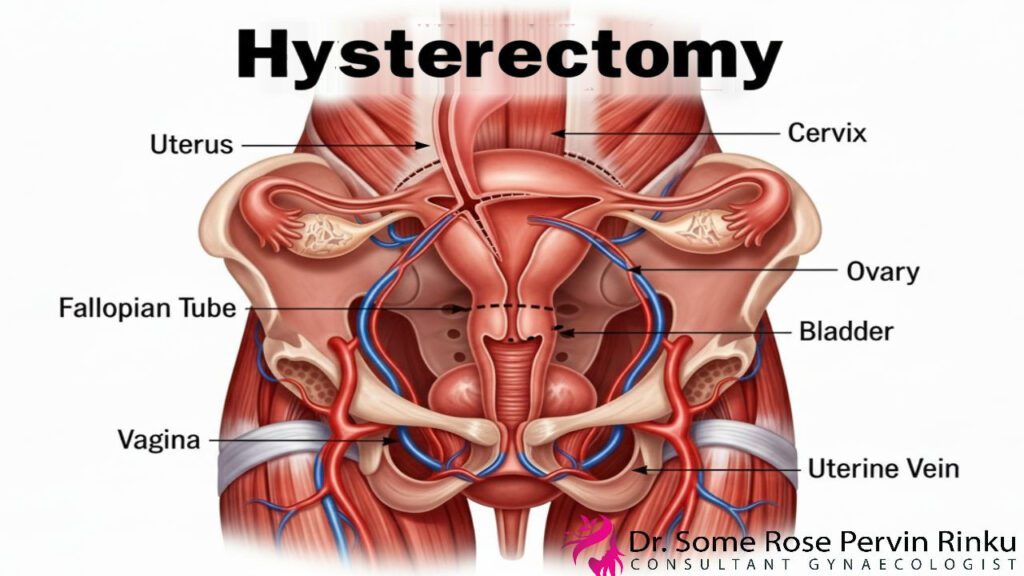
A hysterectomy is one of the most important surgeries that a woman can choose to undergo. Thousands of women across the globe undergo this surgery, known as a hysterectomy. For many women who are thinking about hysterectomy in Bangladesh, there is fear because they are not aware of the surgery process from beginning to end.
The idea of any major surgery can be daunting, but for many women, hysterectomy offers a promise for freedom from relentless symptoms and a better life. Dr. Some Rose Pervin & her team are experienced in providing full care from initial consultation to full recovery.
This guide will go through everything you need to know about the various types of hysterectomy, why standards are performed, what the surgery entails, and how to recover from one successfully.
Types of Hysterectomy
Knowing these various types of hysterectomy procedures can help a patient decide which treatment is right for her. What type you should get depends on your exact medical issue and the reason for the surgery.
Total Hysterectomy
A complete hysterectomy is when both the uterus and the cervix are removed. It is the most commonly performed type of hysterectomy. The operation obviates the risk of cervical cancer and guarantees the uterus is removed in its entirety. Women receiving the total form of hysterectomy will no longer have their period, and are unable to become pregnant.
Partial Hysterectomy
This method, also called subtotal, supracervical or partial, removes the upper part of the uterus and leaves the cervix in place. Some women choose to have this surgery because it can leave some of the pelvic floor functions in place. Since the cervix is preserved, women will still need routine Pap smears to detect cervical cancer.
Radical Hysterectomy
This major operation involves the removal of the uterus, cervix, nearby tissues and the top part of the vagina. Radical hysterectomy is most commonly performed for gynecologic cancer, including cervical and uterine cancer. The process might include extraction of nearby lymph nodes to ensure cancer has not spread.
Reasons for Hysterectomy
There are a variety of medical reasons why you might need a hysterectomy. Knowing these circumstances aids patients who may be asked to consider when surgery may be the best treatment option.
Uterine Fibroids
Fibroids are noncancerous growths within the womb or on the womb. Big shock. “The physics of it is that if you have very large fibroids, it can fill out the shape of the uterus.”) They can result in heavy menstrual bleeding and pressure on the pelvis, frequent urination, and substantial pain. If conservative options do not resolve the symptoms, a hysterectomy might be recommended in order to eradicate symptoms.
Endometriosis
It’s a condition in which tissue like the lining of the uterus grows elsewhere in the body, and can result in debilitating pelvic pain, very heavy bleeding, and can affect fertility. Hysterectomy can provide relief of symptoms for advanced endometriosis that is not responsive to hormonal therapy or less aggressive surgical treatments.
Gynecologic Cancers
These may include cancers of the uterus, cervix or ovary, which may be treated by hysterectomy. Early diagnosis and surgical resection can save lives, and a hysterectomy is an important treatment in such disorders.
Other conditions which may justify the procedure include adenomyosis, chronic pelvic pain, unusual uterine bleeding that has not been contained by more conservative means, and uterine prolapse.
Preparing for the Procedure
Pre-operative workup might include blood tests, imaging, and sometimes a cardiac clearance. Your doctor will go over all medications you are taking and may request that you stop some medications — especially blood thinners — before surgery.
Changes in lifestyle can make a major difference to the outcome of surgery. Good nutrition, hydration and sleep in the weeks before surgery help your body to prepare for healing. If you smoke, stopping smoke several weeks before surgery lowers the risk of complications and speeds healing.
Emotional preparation is equally important. We have had a lot of women who express fear about the procedure and everything it means. If you are unsure about any aspect of your care, discuss this with your surgeon, attend support groups, or meet with a counselor to help discuss concerns and build confidence in your treatment plan.
The Hysterectomy Procedure: Step-by-Step
The type of hysterectomy performed will depend on what is ailing you, and what type of hysterectomy the doctor recommends. Surgery It can be performed abdominally, vaginally and laparoscopically (minimally invasive).
In abdominal hysterectomy, an incision is made in the lower abdomen to remove the uterus. This way the surgeon has good visibility during the operation, and this is the most common procedure for large fibroids or cancer.
Vaginal hysterectomy is the lack of need for any external incisions to the abdominal muscular wall. This method often leads to quicker convalescence and less pain after surgery. But it isn’t the right fit for every situation.
Laparoscopic hysterectomy is a minimally-invasive procedure that is done with smaller incisions and special surgery instruments. They are also less invasive surgeries that typically require shorter hospital stays, less pain and faster recovery than open surgery.
You’ll be under general anesthesia during the procedure, and your comfort and safety are most important. The operation itself lasts one to three hours depending on the nature of your case and the method of surgery employed.
Recovery and Aftercare
The recovery from a hysterectomy can differ based on the type of surgery and personal healing abilities. Knowing what you can expect after the procedure helps you prepare and distinguish between normal and alarming signs.
Following the surgery you will rest in the recovery room while your vital signs are monitored and you recover from anesthesia. Patients are typically hospitalized for one to three days, depending on the surgical procedure and recovery.
Pain control is an important part of healing. Your doctors will give you medications to make you comfortable as your body recovers. Ice or cold water compresses, the right positioning, and some light little movement as recommended may be used to reduce pain.
Activity limitations are significant for optimal recovery. You shouldn’t do any heavy lifting, driving, or more forward bending work for several weeks. But you are advised to take a gentle stroll to avoid blood clots and to keep that circulation going.
Follow-up visits enable your surgeon to check on healing and address any questions. Such consultations are vital for the monitoring of the recovery process and early detection of complications.
Potential Risks and Complications
Hysterectomy, like any other major operation, is not entirely without risk, and patients should be aware of this when making their decision to go ahead with the procedure. Serious complications are relatively uncommon, but information is power, and it enables you to make informed decisions about your care.
The risks of surgical procedures are bleeding, infection, reactions to anesthesia, and harm to tissue and organs near the uterus, such as the bladder or bowel. Another possible complication are blood clots in the legs or in the lungs which is why patients are mobilised early postoperatively.
Long-term issues How soon menopause will start if the ovaries are removed with the uterus. This may give rise to symptoms such as hot flashes, mood swings and higher symptoms of osteoporosis. Hormonal treatment may also be advised to diminish these side effects.
Life After Hysterectomy: What to Expect
Living life after a hysterectomy must be accompanied with the physical as well as with the emotional changes. Most women gain substantial relief of the same symptoms that led them to choose surgery and have a better quality of life and well-being after they chose to have surgery.
Physical changes are those that mean the person can no longer have children and end menstruation such as the permanent stopping of menstrual periods and the inability to get pregnant. For women who are finished bearing children they can be positive changes, as well as for those who have had difficulty with menstrual periods.
Sexual function usually resumes after full recovery, which can be six to eight weeks. A lot of women report that when they get rid of symptom pain, their sex life gets better.
A check up is necessary even after you’ve been cured. As it depends on the type of hysterectomy you had, you may still require regular gynecologic screenings and preventive care.
Moving Forward with Confidence
Hysterectomy is a major decision that, once made, can make a radical difference to your health and quality of life. With good preoperative preparation, expert surgical treatment and proper postoperative care, the majority of normal, healthy women do very well and get back to their regular activities in a few months.
For women who are contemplating hysterectomy in Bangladesh, treating with an experienced gynecologic surgeon such as Dr. Some Rose Pervin means that they have the best care possible from consultation to recovery. The chance from first consultation to full recovery, is much better managed with informed medical support!
If you’re having symptoms that could potentially necessitate hysterectomy, it’s OK to see a professional. With early diagnosis and prompt treatment, complications can be avoided and you can regain control of your health and quality of life.
📅 Book Your Appointment Today
Take control of your reproductive health. Schedule a consultation with Dr. Some Rose Pervin at Rajshahi Medical College Hospital, Popular Diagnostic Center, or Rose Medical Center.
👉 Visit: https://drsomerose.com