PCOS and Infertility: Your Guide to Treatment
A diagnosis of Polycystic Ovary Syndrome (PCOS) can feel overwhelming, especially if you’re hoping to start or grow your family. It’s a condition that affects as many as 5 million women of reproductive age in the United States, and it’s one of the most common causes of female infertility. If you’ve been diagnosed with PCOS and are worried about your ability to conceive, know that you’re not alone.
The good news is that having PCOS doesn’t mean you can’t get pregnant. Many women with PCOS successfully conceive and have healthy pregnancies. The journey might look a little different, but there are numerous effective treatments and lifestyle adjustments that can significantly improve your chances of getting pregnant.
This guide will walk you through the connection between PCOS and infertility, explore various treatment options, and offer resources to support you on your path to parenthood. We’ll cover everything from lifestyle changes you can make at home to advanced medical interventions, providing a comprehensive overview to help you feel informed and empowered.
How Does PCOS Affect Fertility?
To understand the treatment options, it’s helpful to first grasp why PCOS can make getting pregnant more difficult. PCOS is a hormonal disorder that can disrupt the reproductive system in several ways. The primary challenge for women with PCOS is a lack of regular ovulation.
Here’s a breakdown of the key factors:
- Hormonal Imbalances: Women with PCOS often have higher-than-normal levels of androgens (male hormones) and insulin. This imbalance can interfere with the development and release of mature eggs from the ovaries.
- Irregular Menstrual Cycles: Because ovulation doesn’t happen regularly, menstrual cycles can become infrequent, irregular, or even absent. If you don’t ovulate, you can’t get pregnant.
- Cysts on the Ovaries: The term “polycystic” means “many cysts.” In PCOS, the ovaries may become enlarged and contain numerous small, fluid-filled sacs that surround the eggs. These are actually follicles that have not matured properly due to the hormonal environment, further preventing ovulation.
The combination of these factors means that the first hurdle in treating PCOS-related infertility is often inducing regular ovulation.
Lifestyle Changes to Boost Fertility
Before exploring medical treatments, many specialists recommend starting with lifestyle modifications. These changes can have a profound impact on hormonal balance, regulate menstrual cycles, and improve overall health, which in turn enhances fertility. For some women, lifestyle changes alone are enough to restore ovulation and achieve pregnancy.
Diet and Nutrition
A balanced diet is a cornerstone of managing PCOS. The focus is often on controlling insulin levels, as many women with PCOS have insulin resistance.
- Low-Glycemic Diet: Foods that are low on the glycemic index (GI) release sugar into the bloodstream slowly. This helps to stabilize insulin levels. Think whole grains, lean proteins, and plenty of non-starchy vegetables.
- Anti-Inflammatory Foods: Chronic inflammation is common with PCOS. Incorporating anti-inflammatory foods like leafy greens, berries, fatty fish (like salmon), and nuts can help reduce inflammation throughout the body.
- Mindful Eating: Pay attention to portion sizes and try to eat regular, balanced meals to avoid sharp spikes and dips in blood sugar.
Regular Exercise
Physical activity is another powerful tool for managing PCOS symptoms and improving fertility.
- Improved Insulin Sensitivity: Exercise helps your body use insulin more effectively, which can help regulate hormones and promote ovulation.
- Weight Management: Even a modest weight loss of 5-10% of your body weight can restore regular menstrual cycles and improve pregnancy rates in women with PCOS.
- Stress Reduction: Activities like yoga, walking, and swimming can lower stress levels, which is beneficial for hormonal health. Aim for at least 30 minutes of moderate exercise most days of the week.
Stress Management
Chronic stress can worsen hormonal imbalances. Finding effective ways to manage stress is crucial.
- Mindfulness and Meditation: Practices like meditation and deep-breathing exercises can lower cortisol (the stress hormone) and promote a sense of calm.
- Adequate Sleep: Aim for 7-9 hours of quality sleep per night. Poor sleep can disrupt hormones and increase stress.
- Hobbies and Relaxation: Make time for activities you enjoy that help you unwind, whether it’s reading a book, spending time in nature, or connecting with friends.
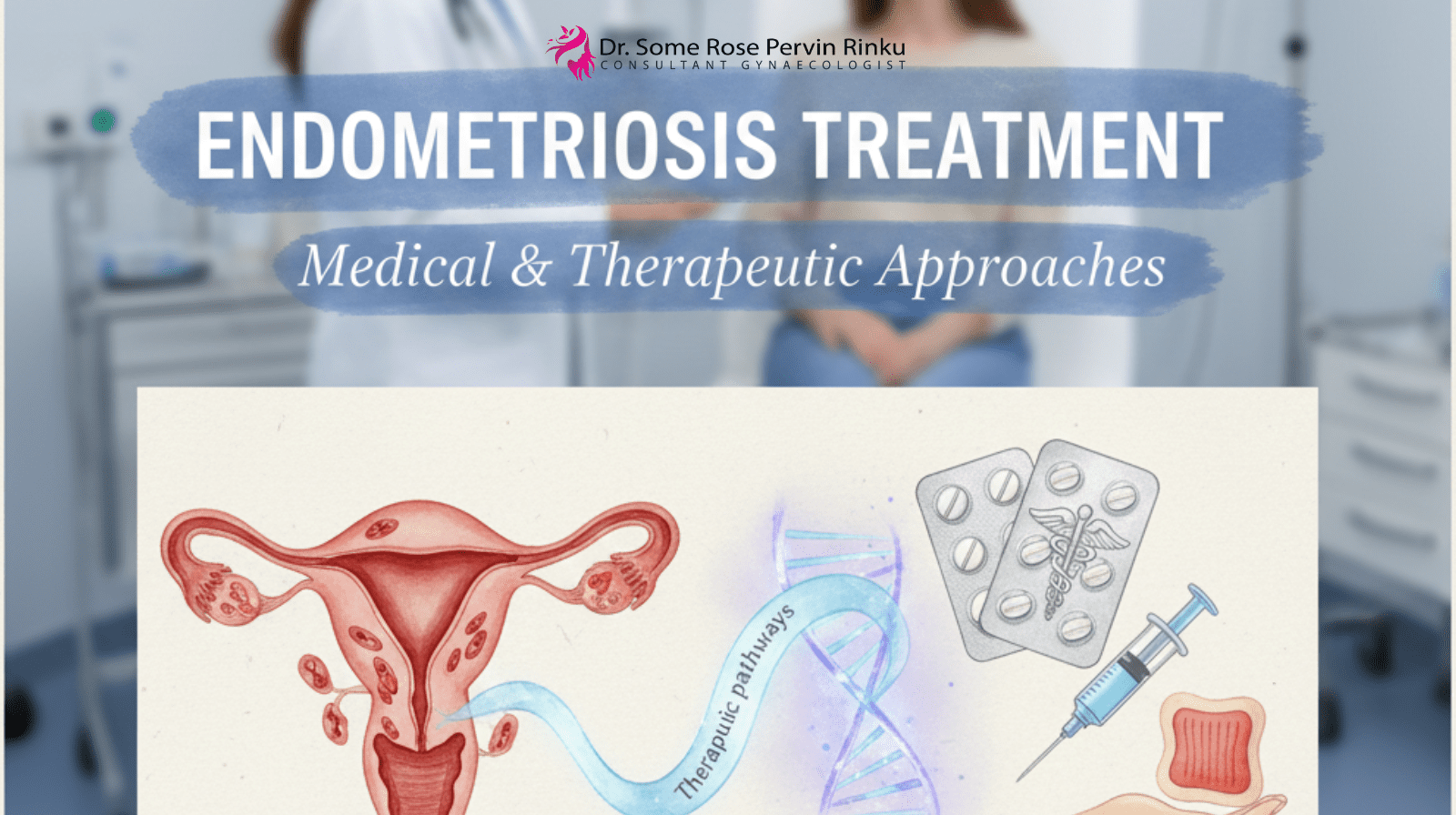
Medical Treatments for PCOS and Infertility
If lifestyle changes aren’t enough to restore ovulation, your doctor may recommend medical treatment. There are several effective options available.
Ovulation-Inducing Medications
These are often the first line of medical treatment for PCOS-related infertility.
- Clomiphene (Clomid): This oral medication has been used for decades to stimulate ovulation. It works by tricking the brain into producing more of the hormones needed to trigger egg development and release.
- Letrozole (Femara): Another oral medication, letrozole, temporarily lowers estrogen levels, which prompts the pituitary gland to produce more follicle-stimulating hormone (FSH). Many specialists now prefer letrozole over clomiphene for women with PCOS, as it may have higher success rates and a lower risk of multiple pregnancies.
- Gonadotropins: If oral medications don’t work, your doctor might suggest injectable hormones (FSH and LH). These are more powerful but also carry a higher risk of multiple births and require more intensive monitoring.
In Vitro Fertilization (IVF)
For women who don’t conceive with ovulation-inducing medications or who have other fertility factors at play, In Vitro Fertilization (IVF) is a highly effective option.
During an IVF cycle, a woman takes injectable hormones to stimulate her ovaries to produce multiple eggs. These eggs are then retrieved in a minor surgical procedure and fertilized with sperm in a laboratory. The resulting embryos are grown for a few days before one or two are transferred back into the uterus.
IVF bypasses the issue of ovulation altogether, making it a powerful PCOS and infertility treatment. Success rates with IVF have improved significantly over the years, offering hope to many couples.
Words from the Experts
Fertility specialists emphasize a personalized approach. Dr. Jane Smith, a reproductive endocrinologist, advises, “The journey with PCOS is unique for every woman. We start with the least invasive options, like diet and exercise, and build from there. The goal is to find the specific combination of lifestyle and medical support that works for you.”
Dr. John Davis adds, “It’s important to have a support system. This can be a partner, friends, a support group, or a mental health professional. The emotional side of infertility is significant, and you shouldn’t have to navigate it alone.”
Hearing from others who have walked a similar path can also be incredibly encouraging. Sarah, a 32-year-old who conceived after six months of using letrozole and focusing on a low-carb diet, shares, “I felt so defeated after my diagnosis. But seeing small changes, like my cycle becoming regular, gave me hope. It was a journey, but holding my daughter now makes every step worth it.”
A Path Forward with Hope
Living with PCOS can present challenges, but when it comes to building a family, there are more reasons for hope than ever before. From simple lifestyle adjustments to advanced medical treatments, a wide range of effective strategies can help you overcome infertility.
The first step is to work with a healthcare provider who understands PCOS and can help you create a tailored plan. By taking proactive steps and accessing the right support, you can significantly increase your chances of a successful pregnancy. Remember to be patient and kind to yourself throughout the process. Your path to parenthood may have a few extra turns, but it’s a journey many women with PCOS successfully navigate.