
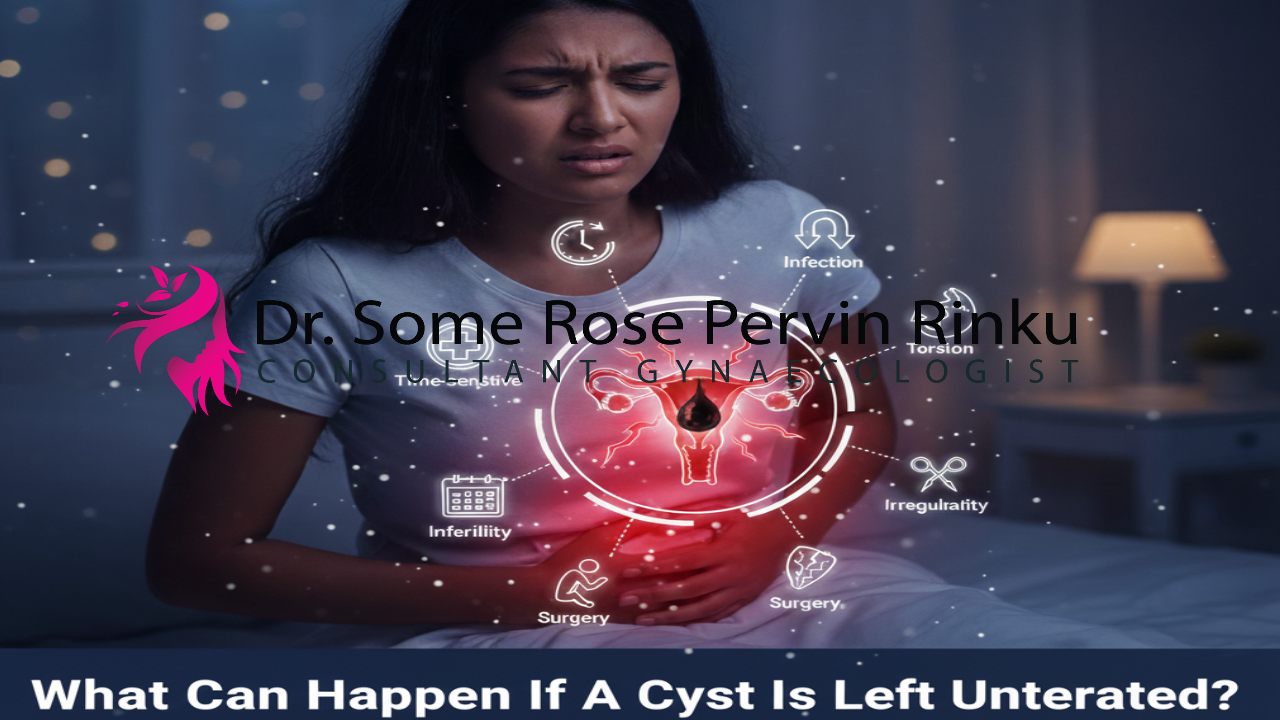
Finding a bump under your skin is alarming. In many cases, such lumps are noncancerous cysts — small, closed sacs containing fluid, air or other substances. Most cysts are benign and may go away on their own, but that doesn’t necessarily mean you should brush them off. Knowing the potential untreated cyst dangers is crucial in safeguarding your health and making wise decisions about what to do.
Sometimes a cyst can cause issues left unchecked, from plain old discomfort to nasty infection. This post will discuss what happens if you don’t treat a cyst, the type of complications that can occur, as well as when you should worry about seeking medical help.
The Hidden Dangers: Understanding Untreated Cyst Risks
Leaving a cyst untreated is different from monitoring it with your doctor. Untreated cysts can lead to complications, and delayed diagnosis has led to serious problems in some cases.
Although most cysts are harmless, they do have the potential for harm. A cyst is an unusual bump, and just like any change you notice in your body, it’s worth investigating. Not addressing it leaves the door open for several possible issues, serious and less so. The main risks are infection, inflammation, and rupture; a very small number of growths may be mistakenly identified as malignant.
The Risk of Infection
Infection is one of the most frequent complications of an untreated cyst. The rim of the cyst’s contents can fester “if it ruptures and the sac holding the broken down fat becomes infected with bugs,” says Dr Lee. This is particularly the case if you attempt to pop or drain the cyst yourself, which could introduce bacteria from your skin into the sac.
An infected cyst, also known as an abscess, can cause:
- Increased pain and tenderness
- Color and swelling around the bite
- Warmth to the touch
- An accumulation of pus that is yellow or green
- Foul-smelling drainage if it bursts
If bacteria grows into an infection, it must be treated by a doctor, typically with antibiotics and professional drainage. An infection that’s left untreated can also pass to the neighbouring tissues, or even into the blood stream and cause a potentially life-threatening condition called sepsis.
Painful Inflammation and Rupture
A cyst can also become inflamed even when it is not infected. It occurs when the walls of the cyst inflame, making it red, swelled and sore. Inflammation can cause daily life to be painful, especially if the cyst grows in an area that experiences more friction and/or pressure such as the back, buttocks or under the arm.
A cyst may also burst out beneath the skin. A burst cyst can be excruciating, and usually causes a lot of inflammatory reaction as the body responds to the unexpected dump of its inner contents. It can form into a big, painful boil that is painful to the touch and will need medical help getting rid of it as applying pressure may spread or grow an infection.
Complications from Specific Cyst Types
There are various kinds of cysts with different risks. For instance what if you don’t remove a sebaceous cyst? They are formed from sebaceous glands, causing them to become rather large eventually and cosmetically unappealing as well as possibly even uncomfortable. They can induce a strong inflammatory response if they rupture.
Other examples include:
- Ovarian Cysts: Most are harmless and will go away on their own but others will cause pain, bloating or in some cases even twist (ovarian torsion) cutting off the blood supply that requires emergency surgery.
- Ganglion Cysts: Frequently seen on wrists or hands, ganglion cysts may exert pressure on nerve endings that causes pain, tingling or muscle weakness.
- Pilonidal Cysts: Situated near the buttocks, these are infection magnets that can turn into painful abscesses.
The Possibility of Misdiagnosis
The most serious consequence of a lump being ignored is misdiagnosis. The majority of cysts are noncancerous, although some conditions that present as cysts may not actually be. Some types of cancer can appear as a cyst like lump in the skin.
Without a professional assessment, there is no way to know for certain that a lump simply is an innocuous cyst.` A physician can do a physical examination, and may want to order additional testing like an ultrasound or biopsy to confirm the diagnosis. Cancer can be cured if detected early, so if you find a new or growing lump do not try to diagnose it yourself or ignore it.
When to See a Doctor for a Cyst
You don’t have to run to the doctor about each little bump, though. But you definitely want to put that on the calendar for an evaluation by a pro if any of the below applies to you:
- Growth Is Fast: The cyst is growing fast.
- Discomfort or pain: The cyst is sore, tender or painful.
- Signs of Infection: The wound site is red, swollen, warm, or draining pus.
- Location: You have them in an awkward or uncomfortable spot (like on your eyelid, the genitals or somewhere that rubs against clothing).
- Changes: The lump changes, such as in shape, color or texture.
- Uncertainty: You don’t know what the lump is, or you find it concerning.
Seeking medical advice provides peace of mind and ensures you receive the correct diagnosis and treatment plan, preventing potential cyst complications.
Conclusion: Prioritize Your Health
While the notion of a cyst may be terrifying, many are nothing to freak about. But not tracking them at all is a bit of a health bet. It is also that rare, serious side of a benign condition. “There are risks to leaving cysts untreated, from infection and painful inflammation to the small but not-zero risk of misdiagnosis.” Only a doctor can determine the type of cyst, assess its risks and recommend an appropriate course of action, whether that involves watchful waiting, medication or removal. Don’t be a hero and let a minor problem fester into a major one; check with your doctor if you have a new or worrying lump developing!
Frequently Asked Questions (FAQ)
How do I know if my cyst is dangerous?
You will not have a definite answer without seeing the doctor. That said, warning signs that a cyst may be harmful or need to be examined immediately include rapid growth. Pain upon touching the lump (especially if it is accompanied by inflamed skin with redness). The presence of infection (redness on the breast along with swelling and pus), or changes in how they feel. Cysts should be monitored, and if they are found to be growing or otherwise changing over time. It pays to ask a doctor for a second opinion.
What happens if a sebaceous cyst is not removed?
If a sebaceous cyst isn’t taken out, several other things might occur. It might remain the same size and not cause any problems. Or it could increase in size over the years, becoming more recognizable and sometimes uncomfortable. The big risks are that it can get inflamed, and infected (abscesses) or rupture into the skin (not nice).
Can a cyst turn into cancer?
A benign cyst does very rarely become cancer. More worrisome is if a lump that was believed to be a cyst turns out to have been cancer all along. This is why a complete medical evaluation is crucial to exclude malignancy.
Should I try to pop a cyst at home?
No, you should never try to pop a cyst yourself. This can push the far contents into your skin more, ripping its wall out and getting it inflamed. Because of bacteria introduced via your nails and resulting in a nasty infection or inflammation. For cyst removal or drainage, always consult your healthcare provider.



