Discovering that your quest to become a parent isn’t going as fast as you’d like can be a challenging, emotional journey. Although many couples do conceive a year after first trying, roughly 1 in 5 women in the United States has difficulty getting pregnant. Knowing your body and being aware of possible signs of female infertility are key to taking the first step toward seeking answers and possible treatment.
Infertility means you cannot get pregnant (conceive) after one year of unprotected sex. As this is the clinical definition, your body could be exhibiting subtle signs long before you begin trying to conceive. Being aware of these early infertility symptoms can enable you to actively and promptly consult a doctor. In this post, we’re going to be taking a closer look into seven infertility symptoms women typically experience that shouldn’t be ignored.
1. Irregular or Absent Menstrual Cycles
Your period is an important barometer of your reproductive health. A normal menstrual cycle that falls between 21 and 35 days indicates you are ovulating regularly. Ovulation- the release of an egg from the ovary- needs to occur in order to conceive.
If your menstrual cycles are very irregular- the number of days between the start of one cycle and the next varies by more than a few days from month to month- it could be a sign you have an ovulatory disorder. Problems like polycystic ovary syndrome (PCOS) are one of the most frequent causes of abnormal cycles. So too is if your periods have stopped completely (amenorrhea), which is an unmistakable sign you should see a healthcare provider. It is not possible to get pregnant unless you have regular ovulation.
2. Unusually Painful or Heavy Periods
Cramping during your period is pretty much a given, but if you find yourself doubled over in pain and unable to go about your regular life because of period cramps, there could be something more going on. If you are in great pain during menstrual cycles, called dysmenorrhea, it could be among the infertility symptoms for women. It could be a symptom of other health problems including:
- Endometriosis: A painful condition in which tissue that is similar to the lining inside the uterus develops outside of it. That can result in inflammation, scarring and blockage of the fallopian tubes.
- Fibroids: Noncancerous tumors in the uterus that can lead to heavy bleeding, pain, and sometimes disrupt embryo implantation.
- Pelvic Inflammatory Disease (PID): An infection of the reproductive organs, which can result in scarring and damage.
And so can extremely heavy bleeding (or menorrhagia), when you need to change your pad or tampon every hour, which can also indicate uterine fibroids or other concerns impacting the uterine lining.
3. Hormonal Imbalances
They are the conductors of your entire reproductive system. When they go haywire, it can throw everything, from ovulation to your ability to maintain a pregnancy, out of whack. Symptoms of possible hormone disruption can be diverse and occasionally indistinct.
Look out for these symptoms:
- Severe Acne: While adult acne is common, particularly during periods of hormonal flux (like menstruation or pregnancy), if you experience rapid onset severe/cystic acne it might be indicative of high androgens (male hormones) seen frequently with PCOS.
- Unwanted Hair (Hirsutism): Women are supposed to have some hair on the face, chest and back, but when it is noticeably excessive, this is another telltale sign that there is a hormone imbalance.
- Unexplained Weight Gain: Struggling to lose weight even with a healthy diet and exercise can be associated with hormonal conditions, such as PCOS or thyroid issues.
- Thinning Hair: For lack of a better word, thinning hair on your head can be another indication that your hormones aren’t in the perfect place.
These female infertility symptoms are enough cause for concern to spark a conversation with your doctor, who can conduct blood tests to test hormone levels.
4. Pain During Intercourse
Having sex should not hurt. If you have pain during sex on the regular, medically termed dyspareunia, you should talk to a professional about it. In some cases, the discomfort may be an indication of other medical problems that can also impact your fertility.
This could be because of endometriosis, pelvic inflammatory disease or fibroids. The pain is likely to be superficial or deep in the pelvis. Don’t dismiss it as “normal.” Talking about this symptom with your doctor can help determine why it’s happening and, hopefully, how to treat the pain you’re experiencing and any fertility struggles that may be related.
5. Changes in Menstrual Flow or Color
But beyond regularity and pain, the shade of your menstrual blood can provide insight into the health of your reproductive system. Note any drastic deviations to your habits. “This is a time when everyone needs to be on high alert,” she says, adding that “the kind of anxiety that comes from not feeling safe and secure does affect menstruation.” For example, blood flow consistently lighter than normal could indicate anemia or other problems.
On the other hand, blood that is very dark and old looking at the start of your period could be related to endometriosis. Although differences are common, an extreme long-term alteration in the color or texture of your flow is something to bring up with your doctor. It’s one of the early warning signs of infertility that is often ignored.
6. Underlying Medical Conditions
The indicators of possible fertility problems are when sometimes associated with a previous medical condition. There are some factors that are also said to affect a woman’s chances of conceiving. If you have a diagnosis of any of the above, it’s key to talk through your family building options with your specialist and a fertility doctor:
- Polycystic Ovary Syndrome (PCOS): The leading cause of infertility in women.
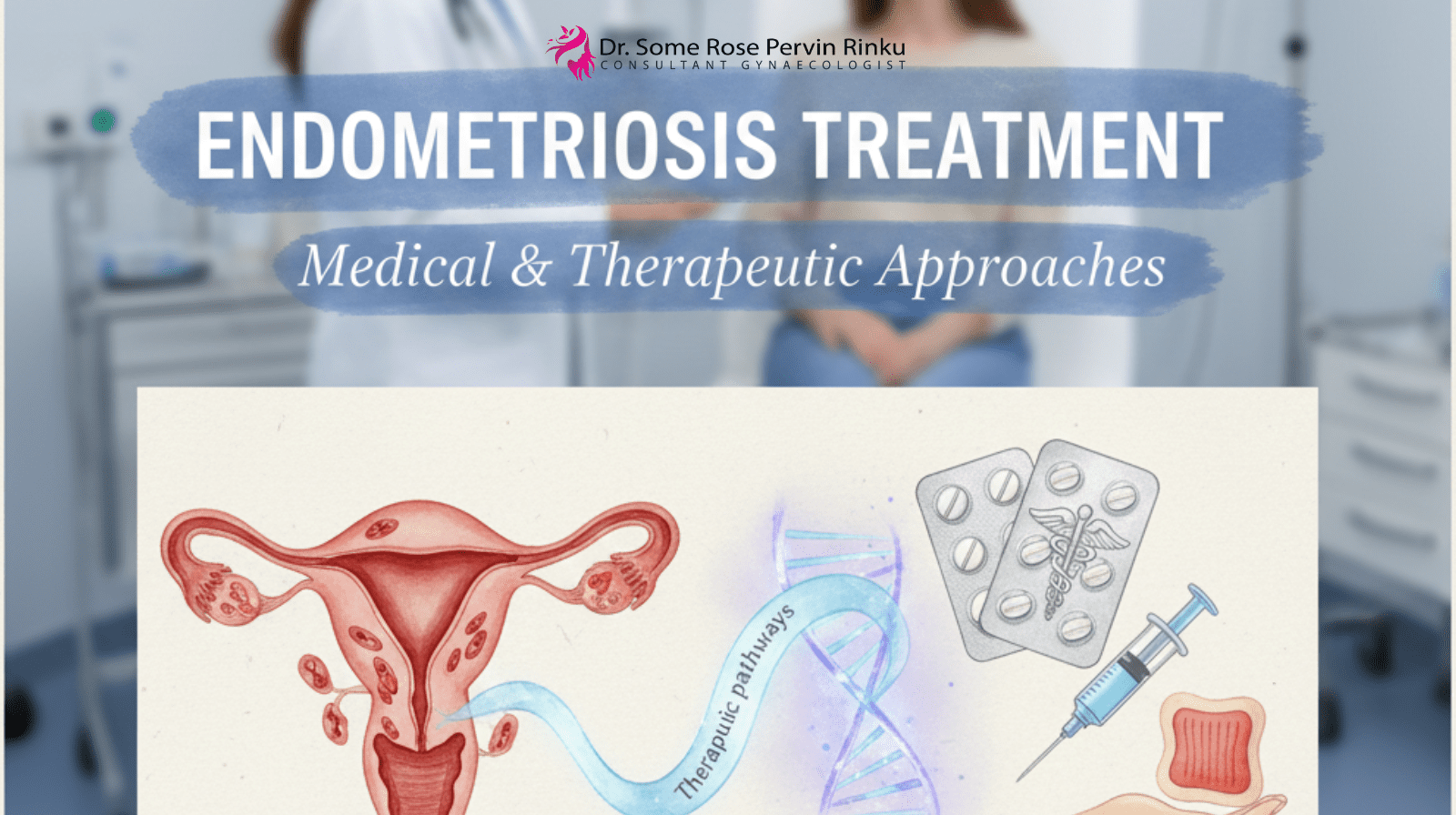
- Endometriosis: Estimated to affect about 1 in 10 women of reproductive age.
- Thyroid Conditions: Overactive and underactive thyroid (hyperthyroidism and hypothyroidism) can disrupt ovulation.
- Autoimmune Diseases: Diseases such as lupus or rheumatoid arthritis occasionally interfere with fertility.
- History of STIs: Prior infections, like chlamydia or gonorrhea, can lead to blockages in the fallopian tubes, even if treated.
TREATING THESE CONDITIONS SUCCESSFUL treatment is a crucial step in ensuring your fertility is preserved and enhanced.
7. Being Over 35 and Not Conceiving
Female age is one of the most important factors which influence fertility. A woman is born with all the eggs she will ever have, and they deteriorate in quantity and quality as she ages. This decrease accelerates after the age of 35.
That’s why the medical rules for asking for help are different by age. If you’re over 35 and have been trying to get pregnant for six months with no success, it is advised that you find a fertility evaluation. If you are 40 and older, you would be wise to consult with a specialist as soon as you know that you want to try to start a family. This is not a manifestation of a problem, but the equivalent of batting practice to give you the best possible chance to going in there and hitting one out of the park.
Your Next Steps
It can be overwhelming to identify one or more of these female infertility signs but remember, knowledge is power. It’s a baby step to understand your own body and figure out where to get the best support. If you are experiencing any of these symptoms, or have worries about your fertility for any other reason then the best thing to do would be to speak with a healthcare provider or Fertility MD.
A doctor can conduct a comprehensive assessment, including blood tests, imaging and a review of your medical history — to provide you with clear answers. So Mom, don’t feel alone on this journey and know that there are plenty of effective treatments available to help people start the families they have always wanted.