
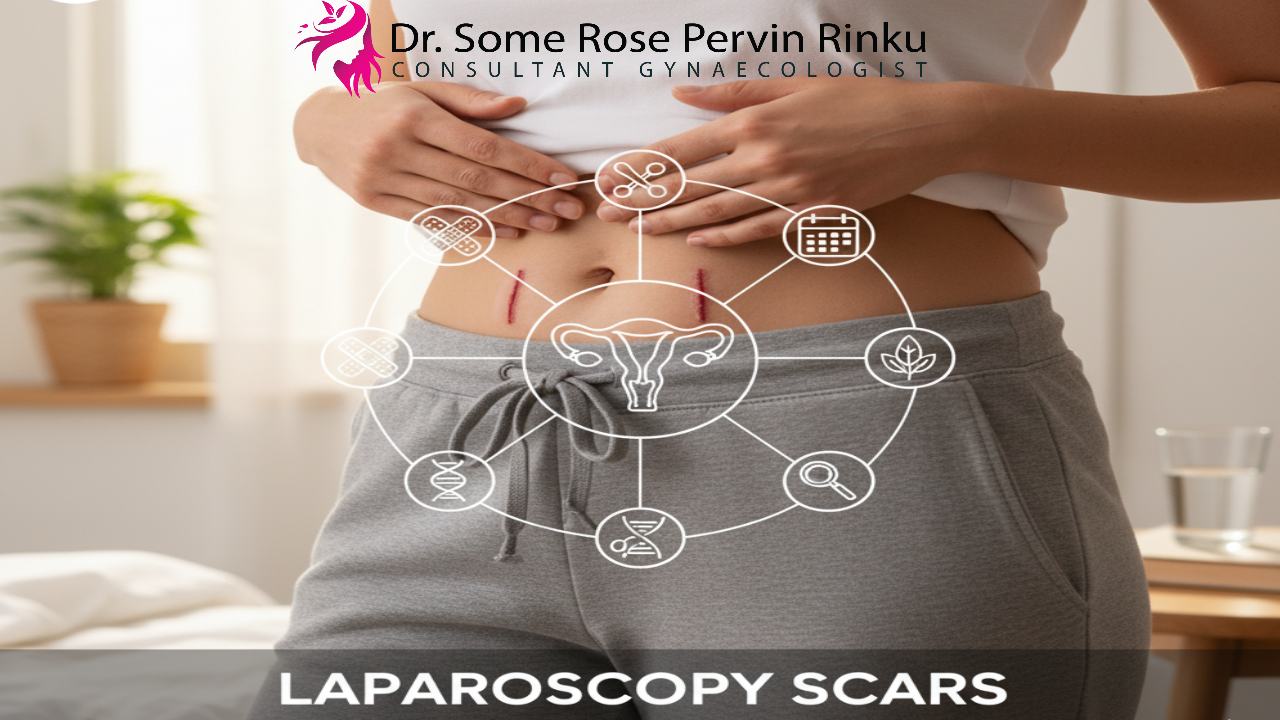
Laparoscopy is an increasingly routine approach, with millions of such procedures performed annually. This procedure is less invasive with less recovery time and smaller incisions than normal open surgery. Even a small incision leaves a scar. Laparoscopy scars: Preparing for or recovering from a procedure like this, you likely have questions about laparoscopy scars. This guide will explain what to expect, from the first healing to ongoing care for scars.
What is Laparoscopic Surgery?
Keyhole surgery, otherwise known as laparoscopic surgery, is a relatively new form of surgery. Instead of a single large opening, a surgeon creates multiple small incisions generally about half an inch in length. One of the incisions is used for inserting a thin, lighted tube (laparoscope) with a camera at its tip. That lets the surgical team see inside your abdomen on a monitor. Other specialized devices are then placed through the other small incisions to conduct whatever procedure is necessary.
This approach can cause less damage to the body, which usually means you will have less pain and a shorter stay in the hospital, and you can get back to your normal activities sooner.
Common Reasons for Laparoscopic Surgery
Application of this technique is diverse in numerous medical branches, including the diagnosis and treatment. Here are some common reasons for a doctor to suggest laparoscopic surgery:
- Gallbladder removal (Cholecystectomy): One of the more common laparoscopic surgeries.
- Appendectomy: Removing the appendix.
- Hernia Repair: The repair of inguinal, umbilical, or other types of hernias.
- Gynecology: Treating issues such as endometriosis, fibroids or ovarian cysts and performing hysterectomies.
- Bariatric Surgery: Operations that induce weight loss, such as gastric bypass.
- Diagnostic Investigation: Cause of pelvic or abdominal pain.
What to Expect During Recovery
Recovery from open surgery is longer than recovery from laparoscopic surgery, but it’s no walk in the park. Following your operation the small cuts will be closed with stitches, surgical glue or sterile tape and covered with a dressing. You might feel some local discomfort, or see the areas where you received shots look red and swollen.
Details of wound care will be given to you by your health team. “Obeying these guidelines is the biggest and most crucial step toward good healing with minimal scarring from laparoscopy. After about a week, most people are able to return to normal activities, though you’ll need to avoid heavy lifting and intense exercise for several weeks based on your doctor’s recommendation.
Managing and Minimizing Laparoscopy Scars
Large numbers of post laparoscopy scars are small, but with the right care they can appear less severe and heal in a more aesthetically pleasing way. Healing takes a number of steps and you’ll adapt how to care for your scar as your body heals.
1. Proper Wound Care in the Early Stages
The first stage is all about preventing an infection and getting the skin to heal properly.
- Keep it Clean and Dry: You should follow what your surgeon tells you about cleaning the area. In all likelihood you will be instructed to keep the dressings dry for the first two days or so. Beyond that point, you might be able to shower, but it’s important to pat the incisions dry gently. Don’t soak in a bath, hot tub or pool until you get the all-clear from your doctor.
- Don’t Pick at Scabs: Scabs are a mechanism of healing. Pulling them off can expose bacteria, cause infection and scar more severely. Just let them fall off.
- Be on the Lookout for Infection: Call your doctor if you see more redness, swelling or warmth, or pus — also a fever. These symptoms could indicate an infection, which may require treatment.
2. Long-Term Scar Care Techniques
After any stitches have been taken out or dissolved and the wounds are well-healed, you can begin working on long-term scar care. This is the time to influence the texture and color of a scar.
- Gentle Massage: Around 2-3 weeks (with consent of your doctor), you can start soft tissue massage on the scars. Use a neutral oil or lotion and massage firmly with circular pressure for a few minutes every day. It aids in breaking down collagen buildup that can contribute to turning scars feeling hard or raised.
- Silicone Sheets or Gels: This is a standard treatment for scars. It moisturizes the scar and helps control collagen production. You may also apply silicone sheets or gels directly to the laparoscopy scars and wear these for a few hours each day. They may be helpful in flattening scars, and can reduce redness.
- Scar Creams: Many over-the-counter scar creams contain onion extract, vitamin E or other botanicals. While results may differ person to person, regular use can keep the healing skin moist and can even enhance the look as the area heals over time.
3. The Importance of Sun Protection
Scars also need to be protected from the sun for successful healing. Fresh scar tissue is highly photosensitive (sensitive to UV radiation). Sun damage can result in an abundance of melanin (hyperpigmentation), darkening the scar and making it more obvious.
Focus on sun protection for at least the first year after your laparoscopic surgery.
- Cover Up: One of the simplest ways to cover the scars up is by clothing.
- Use Sunscreen: If you have scars that are still visible, protect the skin with a broad-spectrum SPF 30 or higher sunscreen. Opt for a mineral-based formula that includes zinc oxide or titanium dioxide if you have sensitive skin. Reapply at least every two hours, and even more often if you are swimming or sweating.
Embracing the Benefits
It’s only natural to worry about scarring whenever anyone goes through a medical procedure. Yet the tiny scars of the laparoscopic approach are in many cases a modest price to pay for the huge dividends it yields. Quicker recovery, less pain and a faster return to your life are compelling benefits. With careful scar care, laparoscopy scars should, over time, become faint lines that can hardly be seen.
Every person heals differently. The appearance of your scars once fully healed will be patient-specific and depend on factors such as your age, genetics and skin tone. Regardless, the best advice I can give is to listen to your surgeon and let him/her guide you through a safe recovery. If you’re worried about the progress of your incisions, ask your health care provider for advice that pertains to you individually.



