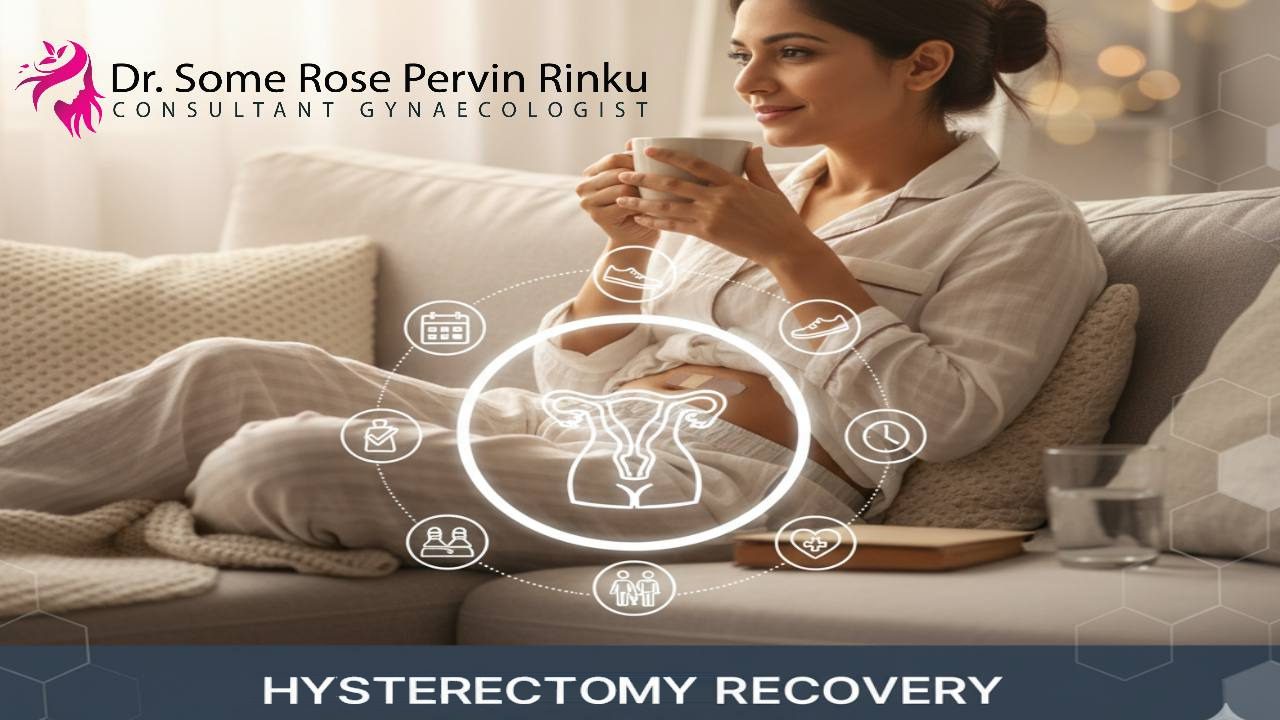
Hundreds of thousands of women have hysterectomies every year, and it is one of the most frequent surgeries not related to pregnancy that women in the United States undergo. While the actual treatment can provide relief from a number of health problems, healing in terms of recovery is immensely important. And knowing ahead of time what to expect after surgery and how to take care of yourself post-op could mean the difference between a smooth recovery or a difficult one.
The process of post-surgery care can be daunting but you are not alone. This guide is to offer you practical advice that can support you as you heal after your hysterectomy. We’ll explain six key tips, from dealing with pain to getting yourself in the right head space for this important life change.
Six Essential Hysterectomy Recovery Tips
Pushing our bodies to utter exhaustion for the benefit of someone else is an incredibly selfless, loving and honourable thing – and it’s really no wonder that your health may have taken a hit. The recovery tips below can guide you to a better recovery for both your body and emotions after cosmetic surgery.
1. Prioritize Rest and Limit Activity
Rest is the number 1 most crucial part of your recovery. Your body requires an extraordinary amount of energy to repair tissues and heal incisions. Just keep in mind that for the first six weeks or so, it’s okay to sleep whenever you feel tired, and don’t pressure yourself to do more than you’re able.
Actionable Advice:
- No Heavy Lifting: For the first 6 weeks and until you are cleared by your doctor, avoid lifting anything heavier than a gallon of milk (around 8-10 pounds). That is to say, groceries, laundry baskets and even small children.
- Listen to Your Body: Tiredness is your body’s way of telling you to pace yourself. If an activity is leaving you feeling wiped out, it’s too much just now.
- Get Help: Have friends or family and a significant other be prepared to help with chores, such as cooking, cleaning, and grocery shopping so you can dedicate yourself completely to your recovery.
2. Focus on Proper Nutrition and Hydration
Just as important are what you eat and drink after surgery. And a well-balanced diet may also help you avoid some common post-operative problems, such as constipation, and give your body the nutrition it needs to heal.
Anesthesia and pain medications frequently inhibit the digestive system. To that end, emphasize fiber-rich foods and lots of fluids.
Actionable Advice:
- Drink Water: Drink 8-10 glasses of water a day to flush out and soften your stool.
- Add More Fiber: Add foods such as fruits (prunes, berries), vegetables (green leafy, broccoli) and whole grains (oats, brown rice) in your diet.
- Protein for Healing: Make sure to get enough protein from chicken, fish, beans and tofu. 8,9 Protein is also necessary for the repair of tissue.
3. Manage Pain and Discomfort Effectively
It is normal to experience some pain and discomfort after hysterectomy. Your care team will offer a pain management plan, and you should follow it to stay comfortable. Getting ahead of the pain is much more successful than trying to treat pain once you have it bad.
Actionable Advice:
- Stick to Your Medication Schedule: Take the pain relievers your doctor directs you to at the time he or she recommends, especially in the early days. Do not wait until your pain is severe.
- Apply Heat: A heating pad on low can also relieve abdominal cramping and pain.
- Choose Loose Clothes: Refrain from wearing tight pants or waistbands that may put pressure on your incisions. Choose loose dresses, gowns or soft sweatpants.
4. Care for Your Incision Site
Taking good care of your incision is important to prevent infection and encourage healing. Regardless of whether you had an abdominal, vaginal or laparoscopic hysterectomy, it is important that your incision is kept clean and dry.
Monitor for infection, including increasing redness, swelling, pus or fever. If you have any of these signs, consult your doctor right away.
Actionable Advice:
- Clean Gently: Clean as directed by your doctor. This often means letting soapy water stream over the incision in the shower and carefully patting it dry.
- No Soaking: Until your doctor says it’s okay, you should avoid taking baths and swimming in pools or hot tubs because of the risk of bacteria entering the wound.
- Watch for Signs of Infection: Inspect your incision every day and inform your medical provider if you notice something unusual.
5. Start Moving Gently and Gradually
So take a rest but short, light walks are great for recovery. Gentle activity can prevent blood clots, ease gas and bloating and even brighten your mood.
Begin with very short walks inside your house. Depending on how you feel, you gradually can add duration and distance. Just remember, this is not about working out but about getting your blood flowing.
Actionable Advice:
- Short Walks, Many Times: Try to walk 5-10 minutes a few times throughout the day.
- No Heavy Exercise: Do not run or perform any high-impact aerobic or abdominal exercises until cleared by your doctor. This is an important aspect of post-operative care to avoid damage.
- Obey Your Limits: When you feel pain or dizziness, take a break.
6. Acknowledge and Address Your Emotions
A hysterectomy is an emotional trip. It’s normal to experience a combination of relief, sadness, anxiety or mourning. Hormonal changes, especially if it came after removal of your ovaries, can make that feeling worse. Recognizing how you’re feeling is a very important recovery tip and it’s often forgotten.
Actionable Advice:
- Talk About It: Open up to a close friend, significant other or family member. Voicing your feelings can take some of the pressure out of them.
- Get Support: Try to join a support group, if not online, then in real life. There are few things more validating than meeting someone who had your same experience.
- Go Easy On Yourself: Give yourself time to adjust physically and emotionally. Good days are fine, and bad days are O.K.
Your Healing Journey Matters
The recovery from a hysterectomy is a marathon, not a sprint. When you set your sights upon plenty of rest, feeding yourself well, managing pain and nursing your emotional health, it will provide a good start for firm recovery. Always remember to follow your team’s instructions since your path is exclusively yours.
If this hysterectomy prep and recovery guide has been helpful to you, please share with anyone who may anticipate or be recovering from a hysterectomy. Your help can mean the world.