Heavy periods are not just an inconvenience, but they can be super disruptive to your regular life. If you’re sick of swapping pads or tampons every time you sneeze, skipping social plans and dragging your tired, out-of-it self through the week leading up to your period — we feel you. According to statistics, one in five women experiences heavy periods or menorrhagia. This can cause physical pain, anemia and emotional turmoil, transforming a perfectly wholesome monthly process into something you dread.
Thankfully, there are treatments that work and help deliver relief. One possibility is endometrial ablation. In this article, we’ll break down exactly what endometrial ablation is, who it’s best for and what you need to know about the procedure.
What Is Endometrial Ablation?
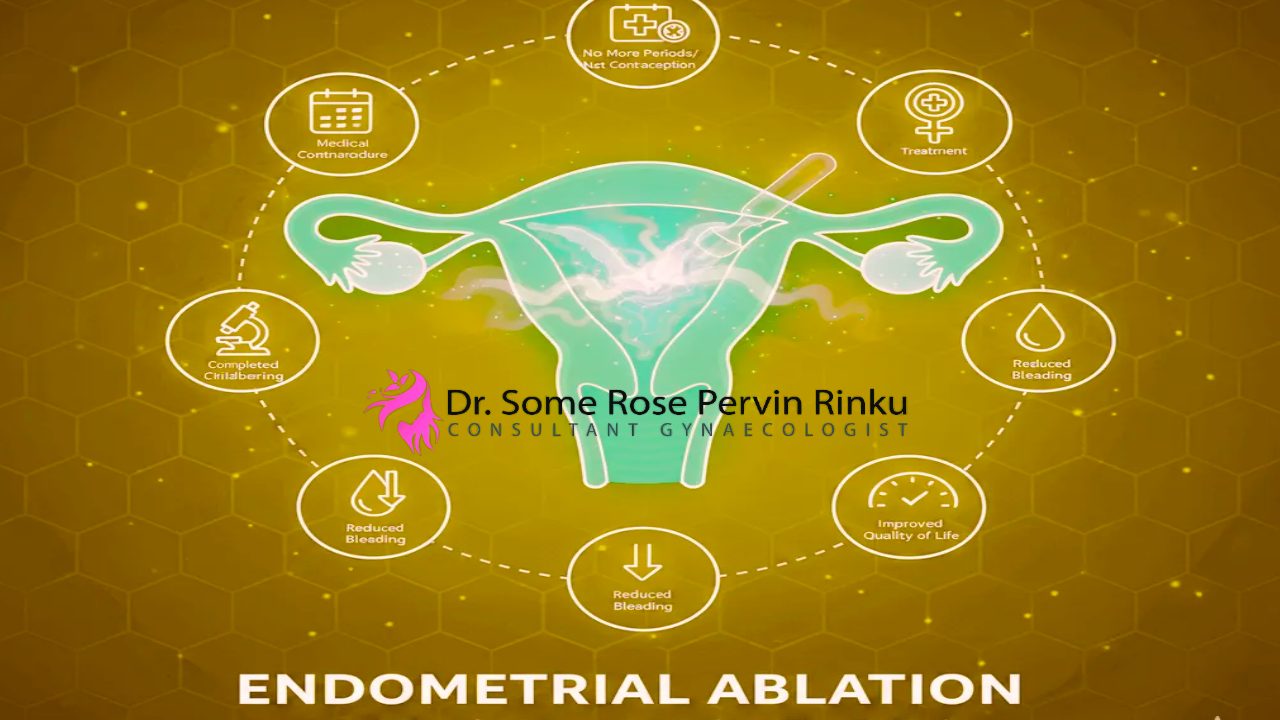
Endometrial ablation is a procedure used to treat abnormal uterine bleeding. It functions by removing or destroying the endometrium, which is the lining of your uterus. Every menstrual cycle, the lining of the uterus grows thicker in anticipation of a possible pregnancy. This lining breaks down and sheds as your period of pregnancy does not take place.
Because this lining is the source of the menstrual bleeding, ablation will greatly decrease, and may even stop, menstrual flow. It’s also a less invasive approach than hysterectomy, and is generally considered standard care for heavy periods.
The Benefits of Endometrial Ablation
For women with menorrhagia, the result can be life-transforming. The primary benefits include:
- Lighter Menstrual Flow: The best benefit is that you will get a much lighter flow. Many women have no periods at all, and the periods of others are much lighter.
- Better Quality of Life: Reducing the bleeding, lets you get back to your routine. This translates to less concern about leaks, fewer stop-and-go moments and more life lived confidently.
- Less Invasive: Endometrial ablation is far less invasive than other surgical options. It often involves little or no time for hospitalization and has a rapid recovery.
- Minimized PMS: For some women, the procedure has alleviated menstrual cramping and other symptoms of PMS.
Is Endometrial Ablation the Right Choice for You?
Though the procedure has many positives, endometrial ablation isn’t for everyone. It is the standard of care for premenopausal women who are done having children. Because the surgery scrapes off the lining of the uterus, becoming pregnant again is next to impossible and dangerous for both mother and baby. So, your doctor will talk to you about permanent contraception.
Ideal candidates for endometrial ablation typically:
- Experience excessive menstrual blood loss interfering with quality of life.
- Have failed to find relief from other treatments, like medications.
- I do not want to have children some day.
- Do not be suffering from uterine cancer or serious uterine disorders.
Your health care provider will examine you and may do a pelvic exam, ultrasound, or endometrial biopsy to find out if this is the right treatment for heavy menstrual bleeding in your case.
Understanding the Procedure: What to Expect
Endometrial ablation is just one of the gynecological procedures that our specialist does. There are a few different methods, but they have one thing in common: to ablate the surface of your uterus. The decision on which method is best for you should be made by your doctor.
Common methods include:
- Electrosurgery: Uses electric current to incinerate the lining.
- Radiofrequency Ablation: The mesh-like instrument is placed in the uterus and sends radiofrequency energy to destroy the lining of the womb.
- Cryoablation (Freezing): The endometrial tissue is killed by freezing with a probe.
- Heated Liquid: Warm, then heated (burned) saline fluid is injected inside the uterus to burn and kill the lining.
- Microwave Ablation: Microwaves are delivered by a thin wand and used to kill endometrial cells.
The procedure is generally carried out in a doctor’s office or as an outpatient hospital procedure. It is not particularly time consuming, often under an hour. You might be given a local anesthetic, sedation or general anesthesia to make you more comfortable during the procedure.
Recovery and Aftercare
Most women recover from endometrial ablation quickly. The procedure allows most women to return to their usual non-strenuous daily activities within a day or two. Afterwards you may have:
- Cramping: This may be similar to the discomfort you experience during your period and it can last a few days.
- Watery Liquid: A watery bloody fluid is totally normal and can persist for several weeks.
- Urination: You may need to use the bathroom more often the first 24 hours.
Your doctor will give you detailed after-care instructions, and they normally involve staying away from sex as well as tampons or strenuous activity for a few days. It takes several months to begin seeing the full results of the procedure, as your body requires time to heal.
Potential Risks and Considerations
Endometrial ablation, like any medical procedure, does have some risks but complications are rare. Potential risks include:
- Pain or bleeding
- Infection
- Puncture of the uterine wall
- Uterine or adjacent organ injury by burns
One thing to bear in mind, too: the procedure is birth control – it’s not foolproof protection against pregnancy. Effective, long-term contraception is critical, since any pregnancy following ablation carries a significantly increased chance of serious complications. A discussion with your doctor about birth control options is an important part of decision making.
Take the Next Step
Dealing with heavy menstrual bleeding can be taxing, but you don’t have to do it alone. Endometrial ablation is also successfully used to help many women get their lives back from the heavy periods that weigh them down. By controlling or stopping heavy bleeding, this procedure may give you more energy and a sense of freedom and help make your periods more manageable.
If you think this might be your heavy bleeding answer, the next step could be to chat with a pro.
Ready to explore your options? Schedule a consultation with your healthcare provider or a gynecologist to discuss your symptoms and determine if endometrial ablation is the right treatment for you.