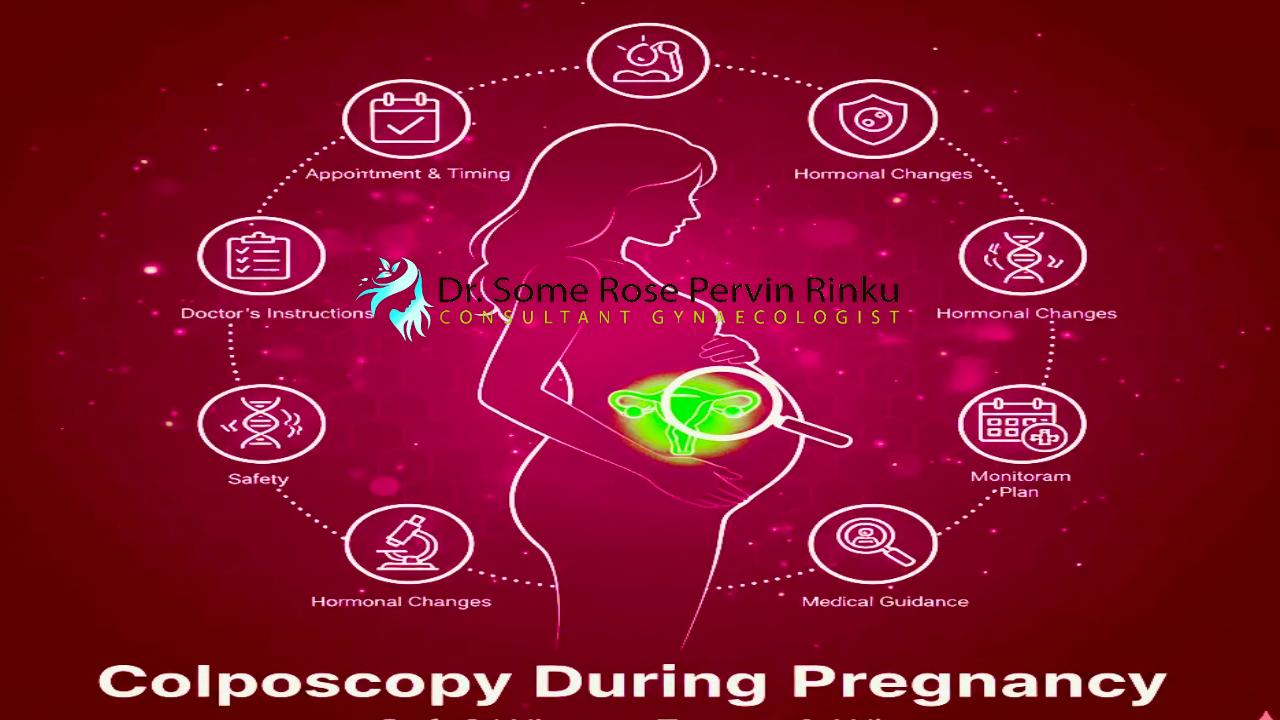
Learning that you need a medical procedure during pregnancy can cause anxiety. Your mind probably floods with questions about whether you and your baby will be OK, what is a safe choice to make now and in the coming weeks and months. It’s natural to feel anxious if your doctor has recommended a colposcopy. This guide is here to offer clear, reassuring information about what colposcopy entails, why you might be getting one when pregnant and what will happen during this standard procedure.
A colposcopy is an easy test that lets your doctor get a close-up view of the cervix, vagina, and vulva. It’s frequently recommended following an abnormal Pap smear to ensure no cellular changes have occurred. The recommendation may sound scary, especially when you’re expecting, but it’s a forward-thinking measure your healthcare team is using to keep you healthy in the long run. Knowing the safety and procedure can help to alleviate your fears so you walk into the door with confidence.
Is a Colposcopy During Pregnancy Safe?
You are most likely wondering, what about safety? You can be reassured that colposcopy during pregnancy is generally considered a safe and low-risk procedure for both you and your baby. Physicians conduct colposcopies on pregnant women all the time and take additional precautions to ensure a smooth procedure.
Safety for the Baby
Colposcopy itself is not dangerous for your baby. The process is outside of the uterus and does not disturb the amniotic sac or baby’s surroundings. The instruments used – a speculum and colposcope (a magnifying device) – are retained in the vaginal canal and don’t penetrate the cervix or uterus. The procedure is not associated with an increased risk of miscarriage, preterm labor or birth defects. Your baby will be snug and secure during the scan.
Safety for You
Colposcopy is safe for the pregnant woman as well. Your body experiences a lot of changes while you are pregnant, and one of these is the increased blood flow to your cervix. This can occasionally make the procedure a little bit more bloody than when you are not pregnant, but that is usually quite minimal and easy to stop. These changes are known to your doctor and he will conduct the procedure accordingly.
What About Biopsies?
On many occasions a colposcopy is a who can physically see. If your doctor finds an area that needs a closer look, they might need to take a small piece of tissue, called a biopsy.
- Cervical Biopsies: To remove a small sample from the surface of the cervix is also typically safe in pregnancy. The risk of major bleeding is small, though slightly higher than in women who are not pregnant. Your doctor will weigh the benefits of a diagnosis against any small risks before proceeding forward.
- Endocervical Curettage (ECC): This particular biopsy scraping tissue from the inside of the cervical canal is generally not performed in pregnant women. An ECC is unsafe during pregnancy and you may need to have an ECC up at that point after your baby is born.
Most often, if a colposcopy reveals low-grade changes, your doctor will recommend monitoring you and repeating the colposcopy after your baby is born. Treatment for any significant issues is also usually deferred until the postpartum period.
What to Expect During the Procedure
Knowing in advance what to expect step by step can help make any medical procedure less intimidating. A colposcopy is a short procedure that typically lasts 10 to 15 minutes. It’s roughly akin to getting a Pap smear, but with some additional steps.
Preparation
How to Prepare for a Colposcopy During Pregnancy The preparation of a colposcopy while pregnant is easy. Your doctor will provide you with instructions, but generally:
- Try not to have intercourse or douche, and do not use vaginal medicines (vaginal creams), spermicide foams, or jellies for 24 to 48 hours before you see your health care professional.
- Tell your doctor about all medicines you are taking or allergies you may have.
- If you’re worried about cramping, you might want to try taking an over-the-counter pain reliever like acetaminophen (Tylenol) an hour before the exam, although be sure to check with your doctor first.
The Procedure Step-by-Step
- Positioning: You’ll get in a position similar to what you would use for a pelvic exam, on an examination table with your feet in stirrups.
- Speculum insertion: The doctor will place a speculum into your vagina to keep the walls open slightly, so that they can see your cervix clearly.
- Vinegar: A mild vinegar-like solution (acetic acid) will be put on your cervix with a cotton swab. This solution also has the effect of making any abnormal cells white so that they stand out on the colposcope. It’ll give you a brief, mild stinging or tingling.
- The Colposcope: The colposcope is a pair of binoculars on a stand with bright lights, so the doctor can examine your vagina opening. It does not touch you. This tool will enlarge a view of your cervix so that it can be examined carefully.
- Biopsy (If Necessary): If there are any suspect areas, your physician may take a biopsy. You may feel a slight pinch or cramping as a tiny piece of tissue is removed. Just relax and take several deep breaths.
- Stop Any Bleeding: Following a biopsy, the doctor might use a special solution to the site in order to stop any bleeding. This paste occasionally precipitates a dark, coffee-ground discharge for several days after the application.
Aftercare
Afterwards, recovery from a colposcopy is relatively prompt.
- If you had no biopsy: You can return to your normal activities right away. You probably won’t feel any pain or side effects.
- If you had a biopsy: You may have mild cramping, light spotting or dark vaginal discharge for a few days. It’s probably wise to lay off sex, tampons and heavy lifting for a few days to a week or so (or as long as your doctor advises) to give the area time to heal.
Call your provider if you have heavy bleeding (soaking a pad per hour), severe abdominal pain, fever or smelly discharge.
Frequently Asked Questions (FAQs)
Q: Will the colposcopy hurt my baby?
A: No. A colposcopy is a visual inspection from the outside of the cervix and does not go into the uterus or do anything at all harmful to the baby. It is a routine safe procedure with pregnancy.
Q: Is it painful?
A: The process isn’t painful in itself. You may feel the speculum pushing, similar to a Pap smear. If a biopsy is performed, you may experience little more than a brief pinch or cramp; it’s over very quickly.
Q: Why can’t the colposcopy wait until after I have the baby?
A: Your doctor is advising the procedure at this point in order to evaluate any cellular changes as they should be. Although treatment is nearly always delayed until after birth, a clear diagnosis in pregnancy will enable your health care providers to design the best long-term strategy for your health without leaving anything to chance.
Q: How should I prepare for my colposcopy appointment?
A: In the 24 hours before your appointment, refrain from vaginal intercourse and douching, and do not use tampons or vaginal creams. Please wear comfortable clothing and bring a support person with you if this assists to make you more comfortable.
Q: What do the results mean?
A: Your doctor will go over the results with you. In the majority of prenatal cases, low grade changes are identified and these can be simply followed. If more serious changes are identified, your doctor will develop a care plan for after your baby is born.
Talk to Your Doctor
This guide offers general information about the safety of colposcopy for pregnant women, but is not a replacement for professional advice from a health care provider. Your health status is personal, and you should have an open conversation with your doctor. And never be afraid to ask questions as well as express your fears. They can offer personalised advice and support tailored to your needs. Seizing this opportunity to take responsibility for your health is just that–responsibility, and throughout the entire process, your healthcare team will be there every step of the way.