
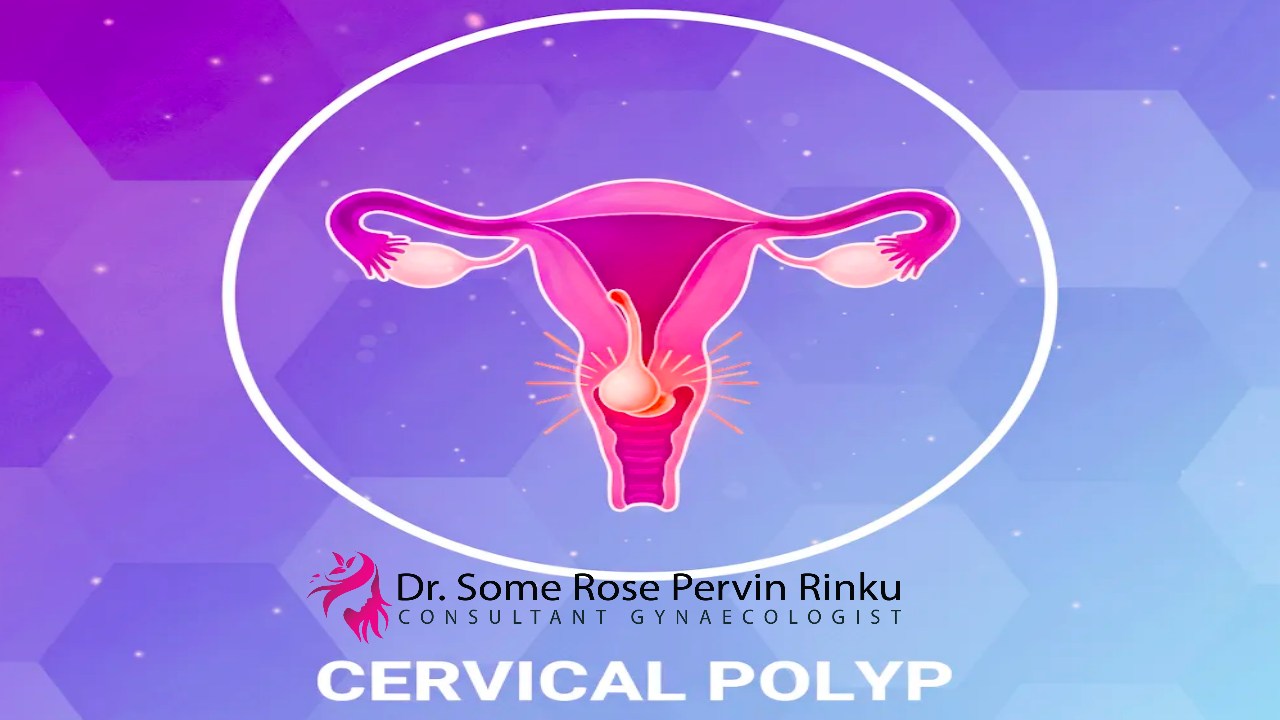
The news that you have a growth on your cervix can be worrying but it is essential to realise not all growths are serious. A cervical polyp is a small growth, usually benign that occurs on the cervix. They are fairly widespread, particularly in women over 20 who have had children, and in many cases they present no health problems.
The first step to taking control of your health is getting a comprehensive rundown on what a cervical polyp is, what symptoms come with having them and what your treatment options are for controlling the growths. This guide is designed to give you an easy-to-understand, thorough overview so that you can feel knowledgeable and empowered when discussing with your healthcare provider.
What Exactly is a Cervical Polyp?
A cervical polyp is a small, irregular and fingerlike growth that protrudes from the surface of the cervix, which is the neck area of the uterus at the top end of vagina. These are tissue growths red or purple in color, fragile in nature and usually less than 1–2 centimeters. Most of these polyps are harmless (not cancerous), but they need to be checked by a doctor.
Cervical Polyps There are two types of cervical polyps and are named after where they arise:
- Endocervical polyps: They develop from the glands of the cervical canal. They are more common and generally occur most often in pre-menopausal women.
- Ectocervical polyps: These grow out of cells in your cervix’s surface layer. They also are more common in women who have gone through menopause.
Common Causes and Risk Factors
While the exact reason that a cervical polyp develops cannot always be determined, there may be few common causes attributed to it. Inflammation and hormonal changes are thought to be a major part of what causes them.
Common triggers and risk factors are:
- Chronic Inflammation: Long-standing irritation or infection of the cervix can promote the growth of polyps.
- Hormonal Changes: High levels of estrogen, the dominant sex hormone in women, can thicken and increase the size of the tissue lining your cervix, resulting in polyps. That is why they are often related to pregnancy and the year prior to menopause.
- Clogged Blood Vessels: Occlusion of the blood vessel inside the cervix could also develop into these growths.
There are some things that can cause you to be at a higher risk of developing a cervical polyp. These include being in your 40s or 50s, being pregnant or having given birth more than once and having a condition that increases the risk of cervical infections, such as human papillomavirus (HPV).
Recognizing Cervical Polyp Symptoms
The most important thing to know is that many women with a cervical polyp don’t have any symptoms at all. The growth is frequently found incidentally in a routine pelvic examination or Pap smear.
But when symptoms are present, polyps can be bothersome and a cause for concern. The most common presentations are those of abnormal bleeding because the polyps become fragile, and bleeding can occur on touch.
There are signs and symptoms associated with polyps that you should look out for:
- Irregular Menstrual Bleeding: This can be spotting or bleeding between periods.
- Heavier Menstrual Periods: Your period might be noticeably heavier than usual.
- Bleeding After Intercourse: Bleeding that follows sexual intercourse is one of the most frequent presenting symptoms.
- Postmenopausal Bleeding: You should always check out any bleeding after you have gone through menopause.
- Unusual Vaginal Discharge: You may have a white/yellow/foul odor discharge which could mean the presence of another infection.
If you have any of these symptoms, you should seek medical care from a provider so that the cause can be detected and appropriately treated.
How Doctors Diagnose Cervical Polyps
The diagnosis of a cervical polyp is simply made during a routine gynecological visit. If you have symptoms, or if doctors see a growth during an exam, they will take steps to get a clear diagnosis.
The diagnostic process usually involves:
- Pelvic Exam: An examination of the cervix (the lower part of the uterus) can reveal a polyp. They will look at its size, color and location.
- Pap Smear: While not a direct diagnostic tool for polyps, a Pap smear may be performed to collect cervical cells and screen for any abnormal changes or signs of infection like HPV.
- Colposcopy: this is used if the doctor needs an extended view and uses a colposcope. This is a special magnifying device which permits a direct view of the cervix, enabling the doctor to obtain a more detailed evaluation of the nature of the polyp.
- Biopsy: The most conclusive test is a biopsy. The doctor is going to cut out the polyp (the procedure is called a jolly old “polypectomy”) and look at it under a microscope in a laboratory. This is the only way to be sure that it is benign and to eliminate the slight chance of cancer.
Exploring Polyp Treatment Options
The treatment of a polyp depends on its size, whether it is causing symptoms and what it looks like. Your physician will advise you on the most appropriate course of action for your individual needs.
- Observation (“Watchful Waiting”): If it is very small and not causing any symptoms, your doctor may recommend simply observing a cervical polyp. This would mean monitoring it during your regular gynecological examination and seeing if the size and appearance change.
- Surgical Removal (Polypectomy): This is the most common way to treat a polyp, and where possible, your doctor will remove it if it’s causing bleeding or any other symptoms. A polypectomy, a simple, quick and generally painless procedure that can take place in the doctor’s office. The physician uses a small tool to grasp and twist or snip the polyp off at its base. It may feel like a pinch or mild cramping, but if you experience any acute pain, that’s not normal. The excised tissue is nearly always sent to a lab for examination as part of standard protocol.
Can Cervical Polyps Be Prevented?
While you may not be able to prevent every cervical polyp from developing, you can take action to decrease your risk. Because inflammation and infections are associated with the development of them, it is important to maintain good gynecological health.
Here are some practical prevention tips:
- Attend Regular Check-ups: Visit your doctor regularly and have regular gynecological exams and Pap smears. This makes for early troubleshooting.
- Treat Infections Promptly: If you have any vaginal/cervical infections—treat them quickly, to minimize long-term inflammation.
- Practice Safe Sex: Condom use may lower the risk of sexually transmitted infections (STIs) – this decreases your chance of STI-related cervical damage from certain strains of HPV.
Your Health is the Priority
A cervical polyp is a benign, common condition. They do not cause any symptoms for many women, and when they do, the treatment for a polyp is generally an easy one — and very effective.
The key is to pay attention to your body and not disregard strange symptoms. Never diagnose yourself and ever believe that unknown bleeding is acceptable. If you are worried about your reproductive health, make an appointment to see your doctor. Being proactive is the most effective way to make sure your health is in great hands.



