
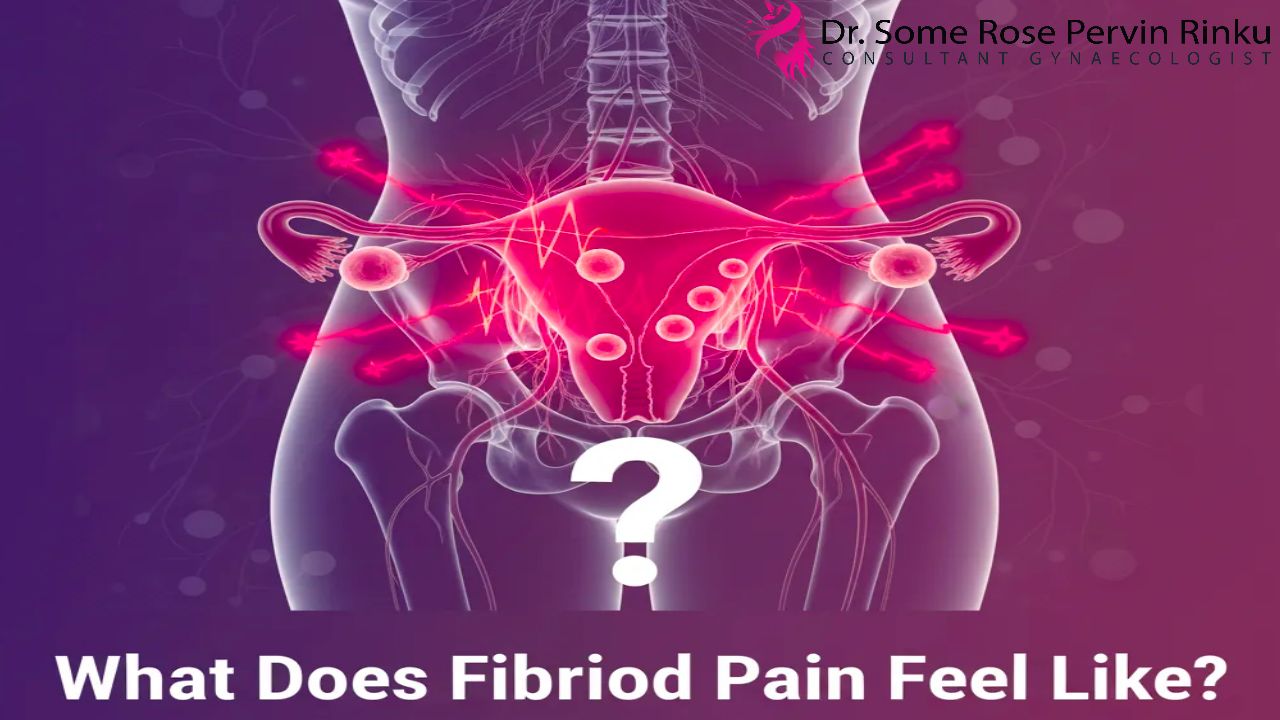
Unexplained pelvic pain can be confusing, and frustrating. You feel off, but what’s making you feel that way is generally elusive. For a lot of women, the source is uterine fibroids — noncancerous growths of the uterus that can create an array of symptoms. But what does fibroid pain really feel like?
It isn’t that simple, however, as the feeling can be drastically different depending on the person experiencing it. It can be a tired, lingering ache or manifest itself in sharp, stabbing pain that stops you in your tracks. This guide will explain the types of pain you may experience because of your fibroids, why it occurs and how to find relief.
Understanding the Types of Fibroid Pain
Not all fibroid pain is the same. Its nature many times depends on the size, location and amount of fibroids you have. Here are some of the more popular ways women describe their pain.
Chronic Pelvic Pain and Pressure
One of the commonest symptoms is a dragging, dull pain felt low down in the belly or pelvis. This isn’t excruciating but dull and steadily weighted. Many women describe it as:
- A feeling of fullness or heaviness: You may describe this as a sensation that something is weighing down on your pelvis.
- A constant, dull ache: Like mild menstrual cramps that just don’t stop.
- Pressure on the bladder or rectum: Large fibroids can put pressure on nearby organs, resulting in frequent urination or a sensation that you cannot completely empty your bowels.
That chronic pain can make it difficult to find a position that feels comfortable — whether you’re sitting, standing or trying to sleep.
Sharp, Stabbing Pain
Less frequent but more severe types of pain include sharp stabbing pains that come on suddenly in a specific area. This severe pelvic pain can be quite distressing and is usually confined to one side of the lower abdomen.
This severe pain can be the result of a condition known as fibroid degeneration. As a fibroid outgrows its blood supply, the tissue can start to die, and inflammatory substances released within the dying tissue cause sudden, sharp pain at a specific point. This may be associated with a mild fever and may persist for several days to weeks.
Painful Periods (Dysmenorrhea)
Fibroids have a way of taking a normal menstrual cycle and turning it into the worst time of your month. They tend to bring heavier bleeding (menorrhagia) and more intense cramping (dysmenorrhea). The cramping caused by periods precipitated by fibroids is frequently expressed as:
- Severe, throbbing cramps: Much more severe than typical period cramps, which usually require over-the-counter pain medication to manage.
- Pain radiating to the lower back and legs: The cramping itself, especially against the spine, can also cause pain that radiates from your lower back down toward your hips and even into your leg.
- Passage of large blood clots: This can also cause an increased intensity in cramping as your uterus contracts to help pass them.
Heavy bleeding and intense cramping can cause substantial disruption in daily life, with many women missing work, school or social activities.
Lower Back Pain
Do you suffer from chronic lower back pain? Before you can blame it on your mattress or work chair, fibroids might be the culprit. Lumbar Stimulation: Fibroids that are situated on the back wall of the uterus, particularly large ones, can press against muscles and nerves in the lower back.
This can lead to a low-level, constant ache that no amount of stretching or repositioning seems to alleviate. Unlike muscular back pain, it’s typically a deep internal ache that seems to emanate from below the waistline.
Pain During Intercourse (Dyspareunia)
Pain during sex is a difficult subject to broach, but it’s a symptom that is frequent among women with fibroids. Intercourse may be very painful as a result, especially if the fibroids are located near the cervix or lower part of the uterus.
Women tend to report that this pain is a deep, bumping pain and not just an irritating superficial ache. It can be emotionally distressing and cause friction in intimate relationships, so it’s a key symptom to talk about with your doctor.
What Causes Fibroid Pain?
Vaginal pain during sex with uterine fibroids The pain that women often feel in the context of a person with previous history: It originates from at least one thing related to the development or positioning of his rib!
- Pressure on Organs: As fibroids enlarge, they can press against nearby organs in the pelvic cavity. Large fibroids can press on the bladder and other organs, causing frequent urination or a persistent urge to urinate; on the rectum, causing constipation and bloating; or on pelvic nerves, contributing to backache or leg pains.
- Uterine Contractions: The uterus is a muscle. If the uterus contracts more vigorously, as it sometimes must to expel a profuse menses that is often present with fibroids, the experience may be especially crampy.
- Weight and Bulk: Simply the weight of many or large fibroids can leave a “full” feeling in the lower abdomen, as well as some pressure.
- Fibroid Degeneration: As mentioned, if a fibroid lacks an adequate blood supply, it can degenerate. This action initiates a robust immune reaction, leading to the sharp, stabbing pain.
- Torsion of a Pedunculated Fibroid: As mentioned, if a fibroid lacks an adequate blood supply, it can degenerate. This action initiates a robust immune reaction, leading to the sharp, stabbing pain.
Finding Relief: Treatment Options for Fibroid Pain
You don’t have to live with fibroid pain. You have a lot of good treatment choices, from just dealing with the symptoms to totally getting rid of your fibroids.
Medical Management
For mild aches and pains, over-the-counter anti-inflammatory medications like ibuprofen will help with cramps and discomfort. Your doctor may also recommend hormonal treatments, like birth control pills or a hormonal IUD, to help lower heavy bleeding and cramps during your periods.
Minimally Invasive Procedures
Minimally invasive techniques are also deployed concrete the underlying anatomy of this problem in women for those who want a more definitive cure without major surgery:
- Uterine Fibroid Embolization (UFE): This non-surgical procedure involves blocking the blood vessels that send blood to the fibroids, performed by an interventional radiologist. Without blood, the fibroids shrivel and die, resulting in a marked improvement of symptoms. UFE is very effective, it saves the patient’s uterus and there is far less recovery time than with traditional surgery.
- Myomectomy: In this surgery, the fibroids are taken out and the uterus is left behind. Open cuts, laparoscopy and hysteroscopy can all be used depending on the size and location of the fibroids.
- Endometrial Ablation: This treatment involves removing the lining of your uterus to lighten bleeding, but it isn’t effective on fibroids that penetrate into the deeper layer of the uterine wall. It is available only for women who do not want to get pregnant.
Surgical Options
In some cases, a woman may need a hysterectomy, or the surgical removal of her uterus. This is the only treatment in which there is an assurance that fibroids will not re-event. But it is major surgery and permanently ends a woman’s ability to carry a pregnancy.
Take the Next Step Towards a Pain-Free Life
Knowing what fibroid pain feels like is the first step to getting help. If you recognise any of the symptoms that follow, it’s time to talk to a healthcare provider. If you are suffering with chronic pain and discomfort, this does not have to be the way it is.
To find out more about your options and in particular, how minimally invasive treatments such as Uterine Fibroid Embolization can help you, make an appointment to see a specialist. A focused consultation can explain why you are in pain and how to create a plan of action.
Ready to explore your options and find relief? Contact our team today to schedule a consultation and learn if UFE is the right choice for you.



