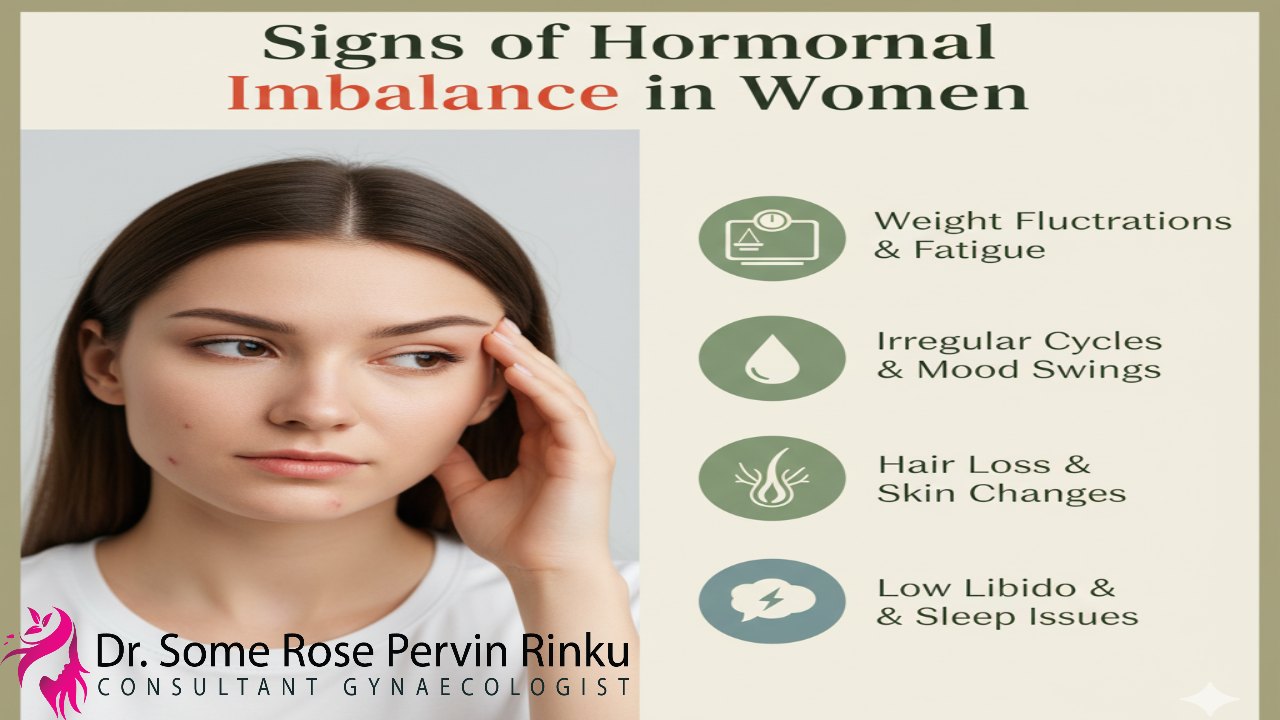
You sleep for eight hours, and you wake up tired. You’re bouncing between grumpiness and crying in.4 seconds. The number on the scale has been slowly creeping upward even though you have done NOTHING different with your diet. Sound familiar?
Have you been feeling “off” but cannot pinpoint why? It might have to do with the fact that your hormones are quietly broadcasting distress signals to you. While the obvious, over-the-top symptoms (cough, missed periods, anyone?) are usually what you notice when something’s up with your hormones, imbalances in women can present in some pretty sneaky ways, signs that even women who are perfectly healthy write off as stress or regular signs of aging.
There are more than 50 different hormones created by your endocrine system, and the hormones your body produces control everything from your energy levels to how good your skin looks. When those chemical messengers go out of order, your body starts to whisper — and then to scream — for relief. The challenge is to recognize these red flags before they become serious health concerns.
In this guide we’re going to talk about a 7 rarely talked about under-the-radar signs of hormonal imbalance in women that get overlooked + how to plan to re-balance against them so that you will have peace in your body & mind.
Chronic Fatigue That Sleep Doesn’t Fix
We need to remember that it’s actually fine to be tired after a bad night’s sleep.” But if you’re sleeping enough and still slogging your way through the day, your hormones might be to blame.
There are many hormonal imbalances that are involved in chronic fatigue:
- Thyroid dysfunction: A sluggish thyroid slows your metabolism down, so you’re often sluggish and cold
- Cortisol imbalance: Chronic stress can wear out your adrenal glands and cause an abnormality in your natural energy bumps and dips.
- Insulin resistance: Without the ability to use glucose for fuel, you run out of energy
- Low progesterone: This hormone, which helps you sleep deeply, drains many women during their late 30s, crashing sleep quality and energy.
Studies strip that as many as 80 percent women with hypothyroidism suffer from fatigue as a leading symptom. If getting a good night’s rest, eating a healthful diet, and managing stress don’t help ramp up your energy, look into your hormone levels.
2. Unexplained Weight Changes and Stubborn Belly Fat
You notice that your jeans are getting tighter, but you haven’t changed how you eat or how much you exercise. Or maybe you’re eating less and exercising more, but the scale simply won’t budge. These infuriating fluctuations indicate a hormonal flip-flop.
Common hormone-related weight patterns include:
- Insulin resistance: The increased fat accumulation around the abdomen is due to insulin resistance
- Thyroid dysfunction: May cause sudden weight gain (hypothyroid) or weight loss (hyperthyroid)
- Excess cortisol: the “apple belly” with weight in the middle of the body.
- Estrogen dominance: Weight gain in the hips, thighs, & bust is common.
- PCOS: Many times associated with insulin resistance and weight loss
An analysis in the Journal of Clinical Medicine discovered that hormone disarrays were the cause behind mysterious weight vagaries in 67% of the female participants. Your hormones are a priority over the traditional diet and exercise techniques if the latter aren’t working.
3. Mood Swings and Emotional Roller coasters
One minute you’re joking with friends, and the next you’re crying during a commercial. It is normal to have mood swings from time to time, but strong emotional shifts could mean that your hormones are off balance.
Key mood-affecting hormones include:
- Estrogen: If too low can lead to feelings of depression, anxiety, and irritability.
- Progesterone: Acts as a natural mood balancer and an anti-anxiety hormone
- Cortisol: You are stressed when you have too much of it, and depressed if you don’t have enough.
- Thyroid hormones: Hyper-or hypothyroidism can induce mood disturbances.
- Insulin: Blood sugar spikes and valleys have a direct effect on emotional stability
Studies have shown that as many as 30% of women of reproductive age may experience hormonal mood disorders. These mood swings often get worse during hormonal transition times such as pre-menopause, postpartum, or after going off of birth control.
4. Brain Fog and Memory Issues
Lost your keys? Struggling to concentrate during meetings? “Brain fog” is a symptom of imbalance, not just aging.
Some of the hormones that are necessary for cognitive principles include:
- Estrogen: Enhances ability to form memories and mental clarity
- Progesterone: Can impact your ability to focus and stay sharp mentally
- Thyroid hormones: Crucial for brain metabolism and speed of cognition
- Cortisol: Chronic cortisol elevation can cause memory issues and decision making problems
- Brainy insulin: While insulin crosses the blood-brain barrier very poorly, if at all, central insulin resistance has a big influence on cognition.
A groundbreaking study reported that women who were in perimenopause experienced a 40% increase in memory issues relative to their younger counterparts. The good news? Correcting hormone imbalances at their core can sometimes clear the mental fog.
5. Skin Changes and Adult Acne
This can be a bit jolting for women who avoided breakouts for years but suddenly have adult acne. Fluctuating hormones can cause all sorts of changes to your skin, from an upsurge in breakouts to that last-of-the-last-straw drying or oiliness.
Hormone-related skin issues include:
- Androgen excess: Presents as acne, particularly on the jawline and chin
- Insulin resistance: Causes inflammation and pimple build-up
- Thyroid disorder: Causes dry, coarse skin (hypothyroid) or soft, warm skin (hyperthyroid)c
- Increased cortisol: Thin skin and slow healing
- Decrease in estrogen: Decreases production of collagen, resulting in dryness and wrinkles
It occurs in 85% of women with PCOS associated with increased androgen levels. If you have stubborn adult acne, considering PCOS symptoms and testing might be helpful to explore.
6. Sleep Disturbances and Night Sweats
Waking up tired since you’re waking up tossing and turning? Waking up drenched in sweat? Sleep mayhem is usually a reflection of hormonal chaos going on behind the scenes.
Sleep-disrupting hormone imbalances include:
- Low progesterone: This natural sleep-inducing agent is necessary to either get to sleep or stay asleep.
- Cortisol imbalance: It is supposed to be lowest at night but stress can keep it high
- Thyroid issues: An overactive thyroid or one that is underactive can cause sleep disturbances.
- Blood sugar swings: Drops in nighttime glucose may wake you up
- Fluctuations in estrogen: Especially during perimenopause, leading to hot flashes
A study from Sleep Medicine Reviews determined that 40% of perimenopausal women experience sleep disorders resulting from hormone changes. Good sleep also plays a role in hormone balance, which can create a cycle that you have to interrupt.
7. Irregular Periods or PMS Symptoms
Your period is the ultimate monthly hormone-report card. Altered cycle length, flow, or PMS symptoms can indicate imbalances as well.
Warning signs include:
- Cycle length changes: shorter than 21 days, or longer than 35 days
- Flow changes: Much heavier or lighter than normal
- Serious PMS: If you are sidelined by cramps, mood changes, or bloating
- Spotting: Intercourse, between periods, or after menopause
- Irregular Periods missed: Not pregnant and not due to menopause
They are often due to thyroid problems, PCOS, perimenopause, stress-related hormone disruption or insulin resistance. A review of studies determined that 70% of reproductive-age women with irregular menstruation had some sort of hormone imbalance detected.
If you are having menstrual changes, it can help to know about thyroid-related menstrual issues to add some more color to your symptoms.
Taking Action: Your Next Steps
Identifying these covert signals is the first step toward regaining your hormonal health. If you recognize significant symptoms, don’t write them off as “just getting older” or “normal stress.”
Immediate actions you can take:
- Track your symptoms: Keep a daily record of energy, mood, sleep and physical symptoms for 2-4 weeks
- Set up full workup: Ask your doctors for a full hormonal panel
- Look into specialized tests: Test beyond basic tests if IGNORANT doctors tell you tests are “normal” and you know you have a hormonal imbalance going on.
- Implement lifestyle support: Be Sure To Plan Some Shore Excursions In order to maintain a level of mental and emotional fitness that will have you ready to shine on test day, you need to work on your lifestyle. Meaning: Keep your stress in check, get enough quality sleep, and eat right.
- Go to an expert: You might want to see a functional medicine doctor or a reproductive endocrinologist
And keep in mind that “normal” lab ranges aren’t always equivalent to optimal hormone levels for your situation. If you have symptoms but your doctor insists that the results are “fine,” consider getting a second opinion from a provider who has experience optimizing hormones.
The Bottom Line
Your body is speaking to you all the time with silent messages. These seven symptoms of hidden hormonal imbalances—lingering fatigue, stubborn weight gain, PMS, embarrassing acne, mood swings, constant cravings, chronic stress, among many else—deserve to be taken seriously, not dismissed.
Let’s start here: Hormonal health is not a luxury; it is fundamental to your overall well being. You have balanced hormones, you have a constant source of energy, emotional strength, mental clarity, and physical vigor.
Remember to take action before this becomes that serious! Your future self will thank you for taking care of your hormonal health today. Begin by advocating for yourself, paying attention to your own symptoms, then working with a supportive health care provider who listens to and takes your concerns seriously.
You should be experiencing a high level of vibrancy, energy, joy and happiness. Video || The first step is to understand that your symptoms are valid messages from your body — and that there’s help.