
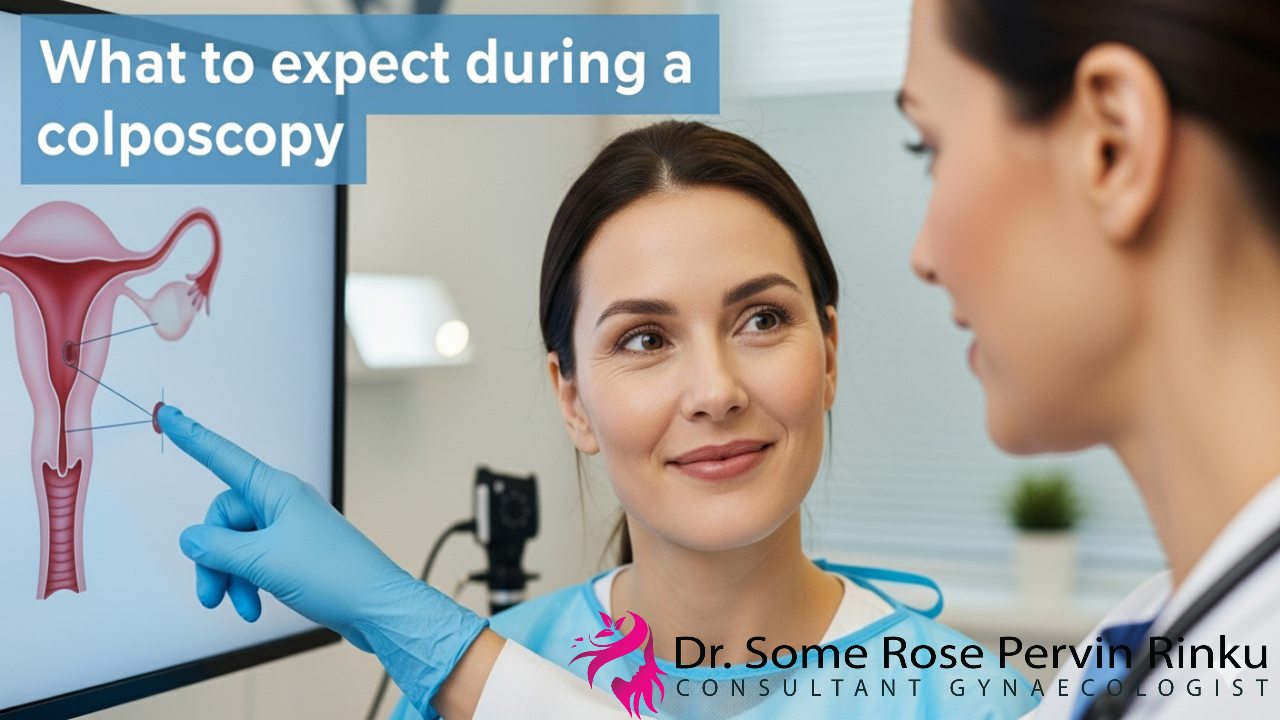
If you’ve gotten that phone call from your doctor’s office telling you that you need a colposcopy, you’re certainly not alone. In the United States, roughly 3 million women get abnormal Pap test results every year, prompting follow-up testing. “‘Colposcopy’ is a scary word, and so you think of what’s going to happen and you get anxious,” she says, “But when you know more about it and what to expect, what really was scaring you isn’t as frightening.”
Too many women become unnecessarily worried and anxious about colposcopy, mistakenly thinking that it is much worse and scarier (and more painful) than it really is. In reality, nearly all women report that they feel much more pain than they actually are. “Knowledge is power” and becoming aware of as many aspects surrounding your procedure is your best defense against fear and for the preparation of your cervix health.
In this complete guide you’ll learn all about colposcopy: why you might need one, what happens during the exam, and how to care for yourself after it. At the end, you’ll be armed with the info you need to head into your appointment feeling empowered and in control of your reproductive health.
What is a Colposcopy and Why Might You Need One?
A colposcopy is a close inspection of your cervix, vagina and vulva with a special type of microscope called a colposcope. Consider it a fancy microscope that helps your doctor get a better look at parts of you that could use some attention.
It’s worth noting that the colposcope doesn’t actually come in contact with your body. Rather, it stays on the outside while magnifying images of your cervical tissue. This high-resolution visualization allows doctors to see changes that they can’t detect with the naked eye during a routine pelvic exam.
There are a few reasons you might be sent for a colposcopy:
Abnormal Pap smear results The most common indication for referral is abnormal Pap smear. If your Pap test reveals unusual-looking cells, a colposcopy can help determine whether the abnormalities are harmless or require treatment.
Positive HPV test results A positive HPV test result could lead your doctor to suggest a colposcopy, especially if you test positive for a high-risk HPV strain that might result in cervical changes over time.
Visible cervical abnormalities Situation Cervical abnormalities are apparent during a routine examination, including any unusual growths or inflammation, that indicate a closer look is needed via colposcopy.
Unexplained symptoms such as bleeding between periods or after sex could mean you need this close look.
It’s important to remember that a colposcopy is a diagnostic test, not a treatment. The process is intended to catch problems early, when they are most treatable. Making early identifications of cervical abnormalities can help prevent cervix releases and cervical cancer.
Preparing for Your Colposcopy Appointment
With a little preparation, you can help make your colposcopy more comfortable and assure that you’ll get the most accurate results. Timing is important for the procedure, so try to book it for when you’re not menstruating. The perfect window is an average of one week after your period ends.
In the 24 to 48 hours preceding your appointment, try not to do too much of the following, as they could compromise the exam:
- Avoid the use of tampons, which can irritate the tissue of the cervix
- Do not use vaginal medicines, lotions, or douches
- Avoid having sex during this period
- Do not have the test if you have a vaginal infection.
Pick clothing that you feel comfortable in and is not restrictive for your appointment. You also might try wearing a skirt or dress, which could be more comfortable than pants. You should wear a panty liner as you will have some light spotting after the procedure.
It can be supportive for some women to have a friend or family member to accompany them. Although this person cannot attend the examination but is available in the waiting room they are a comfort to both patient and doctor.
For relief of discomfort, you can take over-the-counter pain medications such as ibuprofen or acetaminophen 30 to 60 minutes before your appointment. But first, consult your health care provider, who may not advise you to continue taking certain medications, depending on your medical history.
Note down any questions you want to ask your doctor. Once we’re in the examination room, crucial questions often slip our mind when we’re anxious.
Step-by-Step: The Colposcopy Procedure
Knowing what, exactly, you can expect from a colposcopy can go a long way to lessen the fear of the “unknown”. Here’s what you can expect from start to finish.
When you’re in the examination room you will see something that looks much like the equipment used for a typical Pap smear. The colposcope looks like a large pair of binoculars attached to a stand with a light. Don’t worry, you won’t be carrying the thing inside you at any point.
You’ll be told to disrobe from the waist down and put on a hospital gown that opens in the front. Lie back on the exam table as you would if you were having a basic gynecological exam, your feet resting in stirrups and your knees apart.
Your doctor will use a speculum to open the walls of your vagina and to view your cervix. This is what it feels like to have a Pap smear. The colposcope is then put outside of your body, usually 8 or 12 inches from the examination table.
Your provider then applies solutions to your cervix to make any abnormal cells appear more obvious. The first solution is acetic acid (like vinegar), this might ”burn” a little. It turns abnormal cells white against the pink background of normal cervical tissue.
Another remedy known as Lugol’s iodine may also be used. This makes the healthy cells turn brown, while the abnormal ones do not stain. A few women tell me when they apply it, they feel a little burning, but it goes away soon.
If your doctor sees any areas of concern during the examination, they may take tissue (biopsy) for laboratory testing. The biopsy requires special instruments to take a small piece of tissue. This may bring with it cramps, short-term in nature, which feel like menstrual cramps but it lasts a few seconds, at most.
A colposcopy usually lasts between 10 and 20 minutes from start to finish. Add another 5 to 10 minutes to this whatever if a biopsy is necessary.
What You Might Experience During the Test
The majority of women are also relieved to find that colposcopy is less uncomfortable than they thought it would be. Knowing what is going on can help you remain calm while the procedure is done.
The physical discomfort associated with colposcopy is usually minimal. You’ll probably feel pressure from the speculum; it’s the same sensation a Pap smear. You will feel only a some stinging or burning immediately after the vinegar solution is put on. The iodine solution can prompt similar, albeit nonspecific transitory symptoms.
If you need a biopsy, you may experience cramping that resembles mild to moderate menstrual cramps. This pain is very short lived (only a few seconds per sample of tissue being removed). You can use deep breathing to help you with any pain during this portion of the process.
Discuss with your doctor is necessary. During examination, don’t be afraid to ask or voice your doubts. If you feel nervous, tell them about it. Knowledgeable providers know that the process can be extremely daunting and will generally guide you through it.
With better breath control, you can increase the level of comfort. Try breathing in slowly and deeply through your nose and breathing out through your mouth. Concentrate on relaxing your pelvic floor as tense pelvic muscles can make the procedure more uncomfortable.
Dizziness Dizziness can occur during or immediately after the procedure for some women. This is normal and will generally go away fast. If you feel light-headed, tell your provider so they can help you sit up slowly once the exam is over.
You could experience some light bleeding or a dark discharge after the colposcopy. This is absolutely normal, and it’s because of the drops you had given while testing. You may experience a little more bleeding if you had a biopsy, but it should be no more than having a light period.
After Your Colposcopy: Recovery and Results
Recovery after colposcopy is generally simple and most women can go back to their normal activities right away. But the best chances of healing and getting accurate (test) results come from following good instructions for post-procedure care.
Typical colposcopy symptoms are light bleeding, and light cramping, as well as dark vaginal discharge. The discharge is the result of the solutions that were used as part of the examination, and it may persist for several days. This is all normal and nothing you should be worried about.
If you did have a biopsy, anticipate a little more bleeding, though it should still be lighter than a typical period. Cramping can last a few hours post procedure but should get better and better.
During the first 1 to 2 days after your colposcopy, do not do the following activities in order to allow time for healing and reduce chances of infection:
- Do not use tampons, use pads if necessary
- Avoid sexual intercourse
- Do not douche or use vaginal medicines unless told to do so.
- Avoid lifting or moving heavy objects, or doing any sort of strenuous exercise
- Steer clear of hot baths; showers are okay.
You’re usually fine to go back to work, and most of the things you normally do to keep busy, right after you’ve had your colposcopy. But pay attention to your own body, and rest in case you feel fatigue or uneasiness.
Your colposcopy results would typically be back in one to two weeks. You will hear from your doctor with the results alongside next steps guided by the examination.
Possible outcomes include:
Normal results This means you won’t need any treatment but you’ll go back to having cervical screening (where your sample is checked for HPV as well).
Abnormal results That’s not to say abnormal findings are automatically cancer. They can be a sign of a precancerous alteration that is simple to treat and halt before turning into a more serious issue.
Inconclusive results Negative findings might require additional tests or procedures to provide more conclusive information.
Call your doctor if you have heavy vaginal bleeding (soaking more than one pad in an hour), severe pain in your lower abdomen not relieved by over-the-counter pain medication, or a fever of 100.4 F (38 C) or higher, among other signs and symptoms. These symptoms may be a sign of infection or other complications and you should seek help from a doctor.
Supporting Your Cervical Health Long-Term
Colposcopy is only one component of overall cervical health maintenance your entire lifetime. Being proactive about women’s health includes several tools that can boost each on to insure the health of your reproductive quotient.
Cervical screening at regular intervals continues to be your best means of finding these changes early. Get Pap smears and HPV tests as directed by your healthcare provider. Those guidelines depend on your age, health history and previous test outcomes, but generally include screening every three to five years for women with normal results.
Remember when to be screened, and don’t skip appointments even if you aren’t feeling ill. Cervical changes can occur without causing symptoms, so regular testing is important to identify them early.
Lifestyle also factors into helping the health of your cervix. Eating a balanced diet of antioxidants such as vitamin C, folate, and beta-carotene could aid in assisting your body when battling HPV infections and can contribute to boosting immune function. Eat lots of colorful fruits and vegetables throughout the day.
HpV & Safe Sex Using condoms will lower your chance of contracting HPV or any other STIs, both of which can negatively impact cervical health. That includes barrier prevention, like condoms, and reducing the number of sexual partners. Condoms don’t offer full protection from HPV, but they greatly lower the risk of transmission.
If you smoke, this is yet another good reason to stop — quitting smoking is good for your cervical health too. Smoking suppresses your immune system, and your body cannot fight off HPV infections as effectively. It additionally raises the possibility of cervical abnormalities becoming more severe.
HPV vaccine works very well for young women who have not been exposed to the virus. Though the vaccine works best before sexual activity begins, it can still benefit some women up to the age of 45. Talk to your doctor about vaccination.
Discuss with your healthcare provider these and any unusual changes in your menstrual cycle, abnormal bleeding, and/or other concerns about your gynecology. Early reporting of symptoms enables early assessment and intervention, if needed.
Consider maintaining a health journal to note your menstrual cycles, any alarming symptoms, and the dates of screening appointments. This is all important information during doctor’s visits and helps keep you in the loop with your reproductive health.
Owning Your Cervical Health Journey
Knowledge is indeed power when it comes to women’s health and the ability to understand colposcopy is an important piece of being an informed healthcare consumer. This important diagnostic device allows for early detection of cervical changes when they are most treatable and before they develop into more serious conditions.
Please remember that feeling anxious about colposcopy is to be expected, however knowledge and preparation can help alleviate some of that anxiety. For the most part, women find the process to be much easier and less threatening than they had anticipated, and most self-report feeling a sense of empowerment from making this proactive choice in their healthcare.
Some highlights to remember from this guide is that colposcopy is a diagnostic procedure that is meant to keep you healthy, knowledge is power when it comes to what to except, being prepared helps ease your nerves and you will also have the best results if you follow the post procedure instructions.
Your relationship with your doctor is important for great cervical health. Ask questions, voice concerns and ask for explanations of anything related to your care. A great medical team will help you cycle through the health journey; arming you with the information you need to make an informed choice.
Taking Control of Your Cervical Health Journey
Knowledge truly is power when it comes to women’s health. And understanding colposcopy is an important part of being an informed healthcare consumer. This valuable diagnostic tool helps detect cervical changes early. When they’re most treatable and before they can develop into more serious conditions.
Remember that feeling anxious about colposcopy is completely normal, but preparation and understanding can significantly reduce that anxiety. Most women find the procedure much more manageable than they expected. Many report feeling empowered by taking this proactive step in their healthcare journey.
The key takeaways from this guide include understanding that colposcopy is a diagnostic tool designed to protect your health, knowing what to expect can reduce anxiety, proper preparation improves your experience, and following post-procedure care instructions ensures the best outcomes.
Your relationship with your healthcare provider is crucial in maintaining excellent cervical health. Don’t hesitate to ask questions, express concerns, or seek clarification about any aspect of your care. A good healthcare team will support you throughout your health journey and provide the information you need to make informed decisions.
Take the Next Step in Your Health Journey
If your doctor has recommended a colposcopy, here’s what to do to mentally and physically prepare for the procedure. Keep in mind that this is a positive step in preserving your health and being able to catch anything early.
If you have any particular concerns or questions that are not mentioned here, book yourself a pre-procedure appointment. Your doctor is the best resource for personalized guidance specific to your health history and circumstances.
If you’re looking for more resources to learn about cervical health. Check out information from trusted sources like the American College of Obstetricians and Gynecologists (ACOG). The American Cancer Society, and the National Cervical Cancer Coalition. These are resources of evidence-based information, and support for women dealing with cervical health issues.
It’s up to you to control your cervical health by being up to date with suggested screenings. Having a healthy lifestyle and a solid connection with your health care team. Taking a proactive stance now will have a long-lasting effect on your health. And it is an easy step you can take today.
Don’t forget, you’re not in this alone. Millions of women in the US undergo colposcopy annually, and most have positive experiences with successful outcomes. Believe in the process, your medical team, and most importantly your decision to put your health first.



