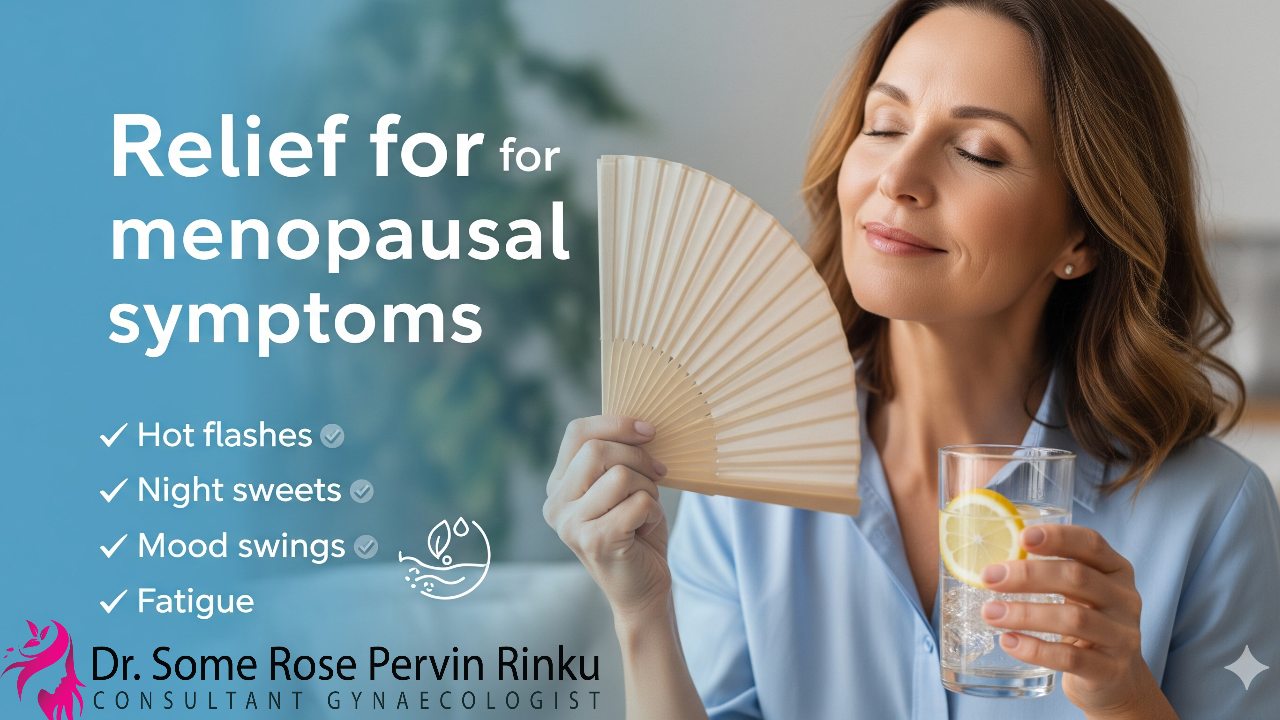
Imagine this: You’re in an important meeting, and all of a sudden, it’s like someone cranked up the internal thermostat. Your face goes red and you start to sweat, wishing you could open all the windows in the room. Sound familiar? If you’re struggling through menopause, you’ve got a lot of company on this roller coaster of symptoms that can include hot flashes, mood swings, sleep disruptions and brain fog.
Although menopause is a natural part of life, keeping symptoms under control is essential to ensure that you continue living a good quality of life and are in good health. You don’t have to just endure in silence or just “grin and bear it” while you go through this transition.
This complete continued Mothers Med reference details proven natural menopause relief treatment and natural menopause treatment options. We will guide you through this chapter in your life more comfortably and confidently with strategies that balance hormones. From diet and herbal supplements, to exercise and stress management, you’ll find a comprehensive array of natural solutions that you can use to get symptom relief and begin to feel better right away, plus how to live vibrantly in the years that will follow.
Understanding Menopause and Hormone Balance
Menopause happens when your ovaries gradually produce fewer reproductive hormones — especially estrogen and progesterone. This natural process usually starts in your late 40s or early 50s, but it can happen earlier or later, based on factors such as genetics, lifestyle and medical history.
As your estrogen levels drop, your body undergoes a cascade of changes, and it is those changes that you know all too intimately by #itsmoiovertime. Hot flashes occur because falling estrogen throws off your body’s temperature control system. Night sweats will steal your deep (REM) sleep and mood changes happen because hormones (and chemicals similar to hormones) used by the brain to communicate with itself are affected. Estrogen’s relationship to cognitive function also explains mounting the brain fog and memory issues.
Knowing that it is these hormonal disruptions that lead to things such as hot flushes is the first step in taking back control over menopausal symptoms. Instead of treating menopause as a phase to simply go through, you can learn to optimize it and help your body by using natural remedies (like the one I’m about to share), coupled with lifestyle changes for better hormone balance.
The answer is all about cooperating with your body’s natural systems instead of fighting them. Your body is going through a massive transition, and you can help make it easier by giving your body what it needs to adjust nutritionally and lifestyle wise.
Dietary Dos and Don’ts for Menopause Relief
Your plateful is powerful medicine for menopause — with a dose of relief. Some foods can help keep your hormones in balance, while others can trigger unwelcome symptoms.
What to Eat for Hormone Balance
Phytoestrogens are natural compounds found in plants that have mildly estrogenic effects, to help support healthy hormone levels when your own estrogen production starts to slow down. These mild botanicals can moderate the intensity of hot flashes, and support general hormonal wellness.
Excellent sources of phytoestrogens include:
- Excellent sources of phytoestrogens include:
- Soybeans and soybased foods like tempeh, tofu and edamame
- Seeds – such as flaxseeds (freshly ground is best for absorption)
- Chickpeas, lentils, and other legumes
- Sesame seeds and sunflower seeds
Calcium plus Vitamin D assumes additional importance post menopause with decreasing estrogen impacting on bone density. Your body is shedding calcium at a faster rate throughout this transition period, so getting enough is critical to maintaining long-term bone health.
Boost your calcium intake with:
- Yogurt, cheese and milk -Dairy products
- Greens such as kale, collards, bok choy etc.
- Canned (with bones in) salmon and sardines
- Fortified plant-based milk alternatives
- Almonds and tahini
Healthy Fats, omega-3 fatty acids play a supportive role in mood stability, brain function, and inflammation: General Reduction of Fears And When You Just Feel Dragged Out Omega Reduces Inflammation. These fats can help alleviate mood swings and maintain cognitive health during menopause.
Include these healthy fat sources:
- Oily fish such as salmon, mackerel and sardines
- Walnuts, chia seeds and ground flex seed
- Avocados and olive oil
- Hemp seeds and vegetarian algae omega-3 supplements
What to Avoid for Better Symptom Control
There are some foods and drinks that can set off or worsen menopausal symptoms, especially hot flashes and mood swings.
Common Triggers to Limit:
- Hot and spicy foods and drinks that can induce hot flashes
- Caffeine (particularly in the afternoon and evening and can affect sleep)
- Alcohol, which can disturb sleep and cause hot flashes
- Energy-draining processed sugars and refined carbohydrates that skyrocket your blood sugar
- High-sodium foods that can make bloating and mood swings worse
Quick Reference Guide:
- Choose: Soy latte with almond milk → Avoid: Coffee with sugar added
- Choose: Grilled salmon with quinoa → Avoid: Fried foods with refined sides
- Choose: Greek yogurt with berries → Avoid: Sugary desserts and pastries
- Choose: Herbal tea in the evening → Avoid: Wine or caffeinated beverages after 2 PM
Powerful Natural Remedies and Supplements
Natural treatments help many women manage menopausal symptoms effectively. Although such supplements can be helpful, it’s important to know what the research says and talk to your health care provider before adopting a new daily supplement routine.
Black Cohosh is one of the most well-known and widely-researched botanicals for women. Studies have also found that it might help lessen the frequency and severity of hot flashes and night sweats. It seems to work by helping the body’s natural estrogen receptors, but exactly how it does so is not entirely clear.
Research shows that it can decrease hot flash frequency by up to 26% in some women. Begin with 20-40mg daily from standardized extracts; no effect will appear for at least 4-12 weeks.
Red Clover is an isoflavone, which is a natural estrogen that we can take to help balance our hormones. Red clover may ease the intensity of hot flashes and support heart health during menopause, some studies suggest.
Studies have found that around 40-80mg of red clover isoflavones daily may offer some benefits, although response to treatment is highly variable.
Ginseng has long been used to help to fight of fatigue and enhance overall vitality. Ginseng could work to elevate mood, increase energy and even promote better sleep during menopause. A few women say ginseng makes them feel mentally sharper and more emotionally stable when they take the supplement every day.
Search for standardised ginseng extracts with 100-200mg of ginsenosides a day.
Evening Primrose Oil It has a GLA, or gamma-linolenic acid which is an unsaturated fatty acid that may help with breast tenderness and severity of hot flashes. Some women also say evening primrose oil boosts their mood, and increases the health of their skin.
Usual dose is 500-1300mg/daily, with meals (for better absorption).
Important Safety Note: Always check with your health care provider before trying any new supplements. Natural doesn’t equal safety, however, and these remedies can interact with medication or may not be right for everyone. In cases such as those, your doctor can help you decide what supplements may be most effective for your particular case or health profile.
The Role of Exercise in Managing Symptoms
Exercise on a regular basis is among the best things you can do to combat menopause symptoms. Exercise can moderate hormones, boost mood, strengthen bones and make many menopausal symptoms less severe.
Cardiovascular Exercise for Overall Health
Cardiovascular exercise, such as walking, swimming, biking, and dancing, is beneficial to menopausal women in various ways. It helps combat weight gain that is often experienced during this period and can improve heart health and elevate mood by releasing endorphins.
Studies have found that women who do regular cardio have fewer and less intense hot flashes. The increased circulation and overall cardiovascular fitness also enable your body to do a better job of regulating temperature, meaning that when hot flashes do happen, they might not rock you as severely.
Target 150 minutes of moderate-intensity cardio each week, which is about 30 minutes five days a week. Begin slowly if you’re not accustomed to exercising, and build your stamina as you go.
Strength Training for Bone and Muscle Health
In fact, during the menopause years, when estrogen declines both bone loss rates and muscle mass decline rates accelerate, so strength becomes vital. These kinds of exercises that bear the body’s weight increase the formation of bones and preservation of muscle strength, which is essential in preventing osteoporosis and ensuring continued independence as you age.
Stick to the “big” compound movements that target multiple muscle groups:
- Lower body strength Squats and lunges
- Push-ups and rows for the upper body.
- Planks and deadlifts for core support
- Weight-bearing activities, such as: Walking on the other hand, enough time to hike or dance
2-3 times a week is more than adequate for lifting weights and resting is important to allow the muscles to recover.
Mind-Body Exercises for Stress and Sleep
Scientists are also finding that yoga, tai chi and other mind-body practices provide special advantages for relieving menopause. These subtle exercises integrate movement and stress reduction to mitigate pain and treat emotional health.
Yoga Studies have shown that practicing yoga on a regular basis helps to enhance sleep quality, decrease stress, and improve mood stability for menopausal women. And the mindfulness and controlled breath that are part of these practices work to bring your parasympathetic nervous system online, which leads to reduced stress and improved hormone equilibrium.
Expert Insight: The ideal workout for menopausal women includes cardio for heart health, strength training for bone density and mind-body work for stress management, says Dr. Sarah Martinez, women’s health physical therapy specialist. This triple-threat attack is because the physical and emotional shifts occurring during menopause are an intricate combination.
Stress Management for Emotional Well-being
It leads to the deterioration of the quality of your life suffering from menopausal symptoms through chronic stress that destroys the sensitive balance of hormones in your body. Your body releases more cortisol when you’re under stress, which can disrupt sleep, increase the severity of hot flashes and exacerbate mood swings.
The key to sustained menopause relief and hormone balance is to learn to manage stress effectively.
Mindfulness and Meditation
Mindfulness practices will enable you to become aware of your thoughts and emotions without judgment, cultivating a space between a stressor and your reaction to it. This headspace can be especially helpful during menopause, when emotions may seem magnified or unpredictable.
Getting Started with Mindfulness:
- Start with 5 minutes a day of concentrated breathing
- Listen to guided meditations on apps like Calm, Headspace or Insight Timer
- Practice conscious eating: really pay attention when you eat meals.
- Consider walking in meditation by paying attention to every step and the environment around you.
- Use your phone to set reminders throughout the day to practice three deep breaths.
Studies have shown that women who use mindfulness meditation regularly report 34% fewer hot flashes and much better quality of sleep than those who do not meditate.
Deep Breathing for Immediate Relief
Steep breathing exercises offer a quick and easy stress management tool that can be used during hot flashes, or in moments of anxiety.
The 4-7-8 Breathing Technique:
- Exhale completely through your mouth
- Close your mouth and breathe in through your nose for a count of 4.
- Hold your breath for 7 counts
- Breathe out your mouth to the count of 8
- Repeat 3-4 cycles
Take a few minutes to perform this exercise every day, and repeat it when you feel a hot flash coming on, or when you are stressed or anxious.
Prioritizing Sleep for Better Hormone Balance
Sleep quality is very important for hormone balance; the link between quality sleep and over all health is even more pronounced for women in menopause. Bad (or lack of) sleep can exacerbate hot flashes, increase stress hormones and have a deleterious effect on mood and cognitive function.
Sleep Hygiene Tips for Menopause:
- To keep night sweats at bay, keep your bedroom cold (65-68 F)
- Invest in moisture-wicking pajamas and bedding.
- Create a regular bedtime routine that indicates “it’s time to start unwinding.”
- Limit screen time for an hour before bed
- Take a hot bath with Epsom salts before bed
- Sleep with a glass of water next to your bed for night sweats
- And if all else fails, get blackout curtains or an eye mask for optimal darkness
- Try a white noise machine or ear plugs if necessary
If night sweats are ruining your sleep, you might want to opt for layered bedding you can easily pull back, as well as keeping a clean set of pajamas within reach for sheer comfort.
Conclusion
The good news is there is so much you can do to manage your menopausal symptoms naturally with a balanced approach that includes thoughtful diet, targeted natural therapies, regular physical activity, and stress management. The process of traversing menopause is very individual, and figuring out what works for your particular body and lifestyle might take a bit of trial and error and a fair amount of patience.
Keep in mind menopause is a natural phase, not a medical condition to be treated. By propping your body up with hormone balance tactics and natural remedies, you can not simply navigate uncomfortable symptoms, but may actually come out the other side of this transition feeling like a stronger, more self-assured more in touch with your own body’s wisdom.
Some highlights from this guide include: Add phytoestrogen-rich foods to your diet Consult with a medical professional about research-backed supplements Keep up with physical activity including cardio, strength training, and mind-body activities Establish stress management resources that work for you in your life.
Take the Next Step: Pick one small action step you will take today. So whether it means adding ground flaxseed to your morning smoothie, going for a 15-minute walk after lunch. Practicing a five-minute meditation, or booking an appointment with your healthcare provider to discuss your symptoms. Every small step brings you one step closer to effective menopause relief.
Your experience of menopause can be an empowered and informed one. Pick one change, be patient for it to take hold, and celebrate the small triumphs as you change. You owe it to yourself to look and feel your best during this memorable time in your life.